1 Thoresby Street art space

Tom Hughes

Nottingham has a thriving arts scene, and over the last few years there has been a swell of artist-led studios and galleries.

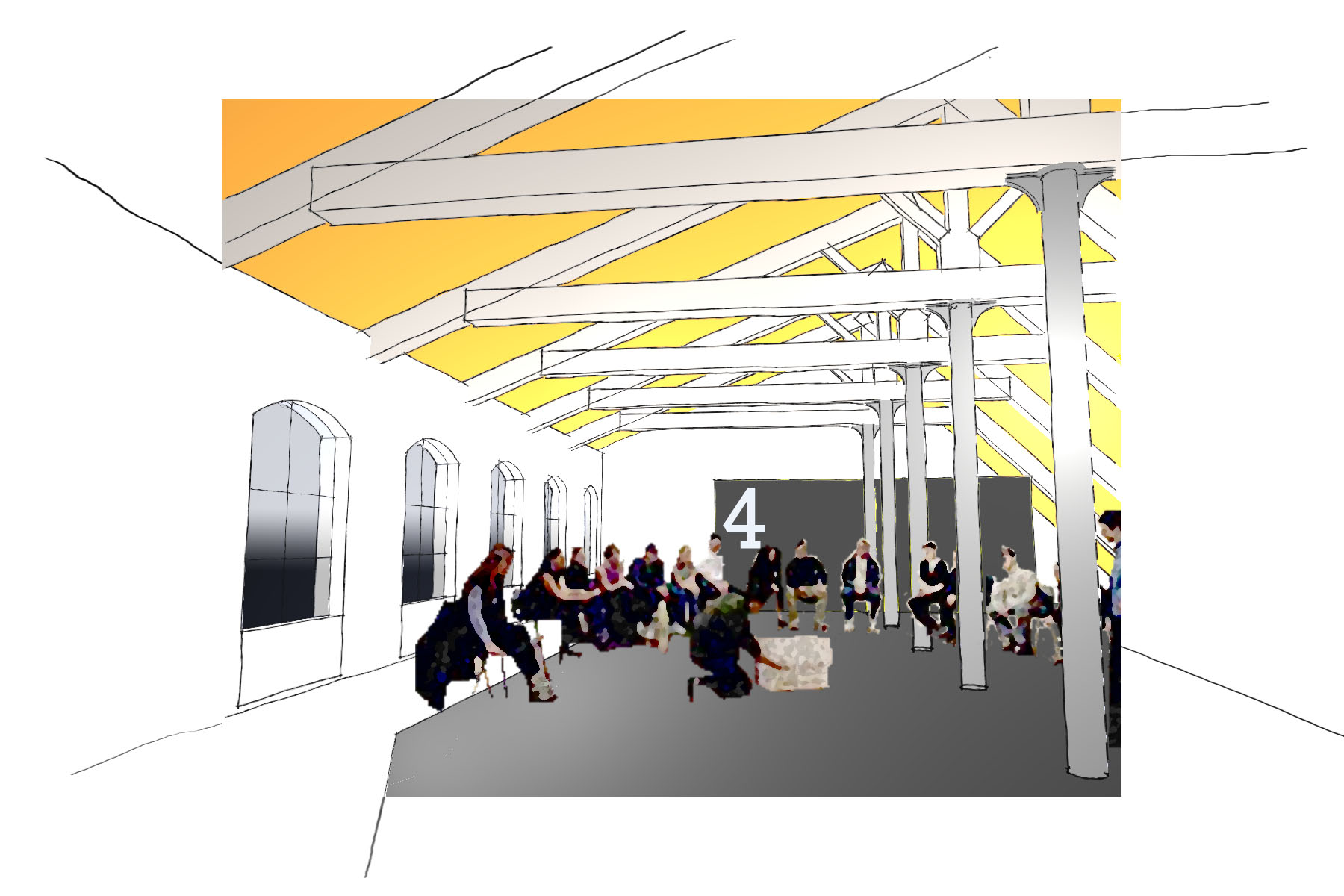
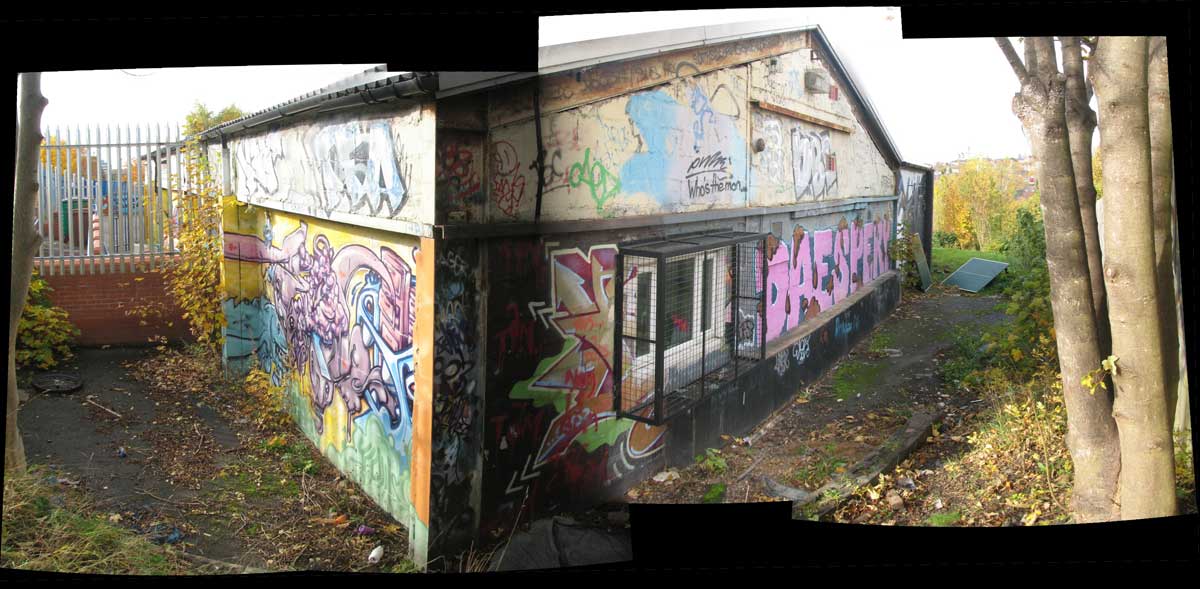
We’ve had a chance to find out more by getting involved with the 1 Thoresby Street building, part of BioCity where the Stand Assembly artist studios, and the influential Moot gallery (which recently disbanded) have been given space. It’s a vibrant place with artist studios and several galleries from the poster-sized Keep Floors and Passages Clear, to the bedroom sized Trade to the 180m2 attic space. It was the Reading Room for the fantastic Hinterland project, a base for experiments in projection from Annexinema and is now the base and a major venue for the upcoming Sideshow — the British Art Show fringe event.
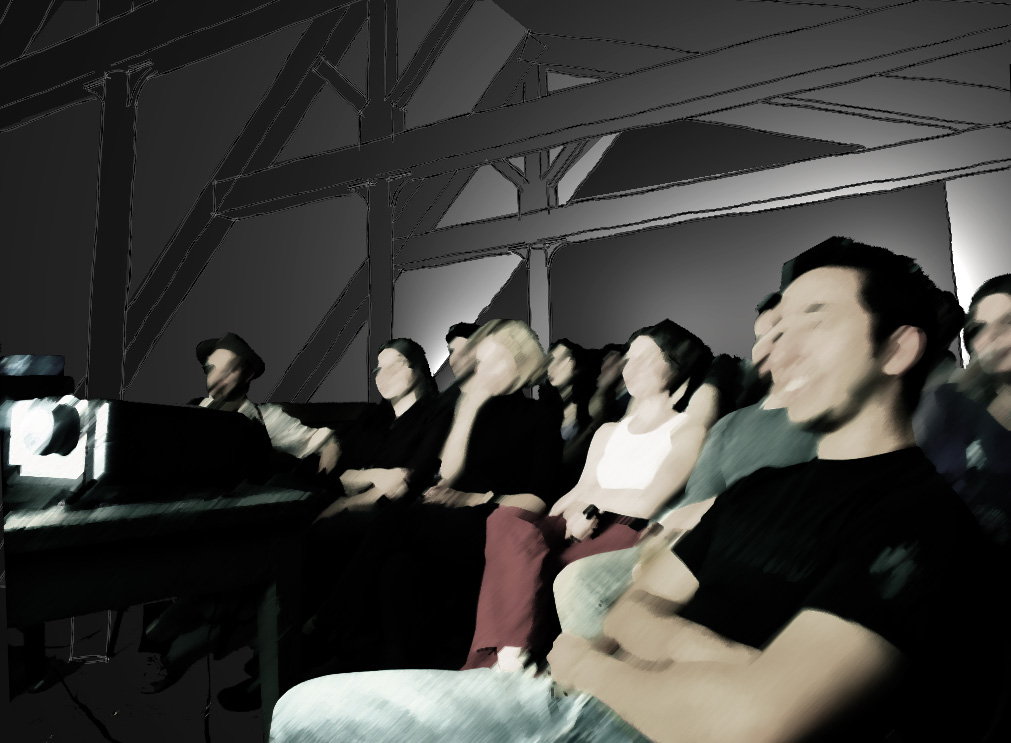
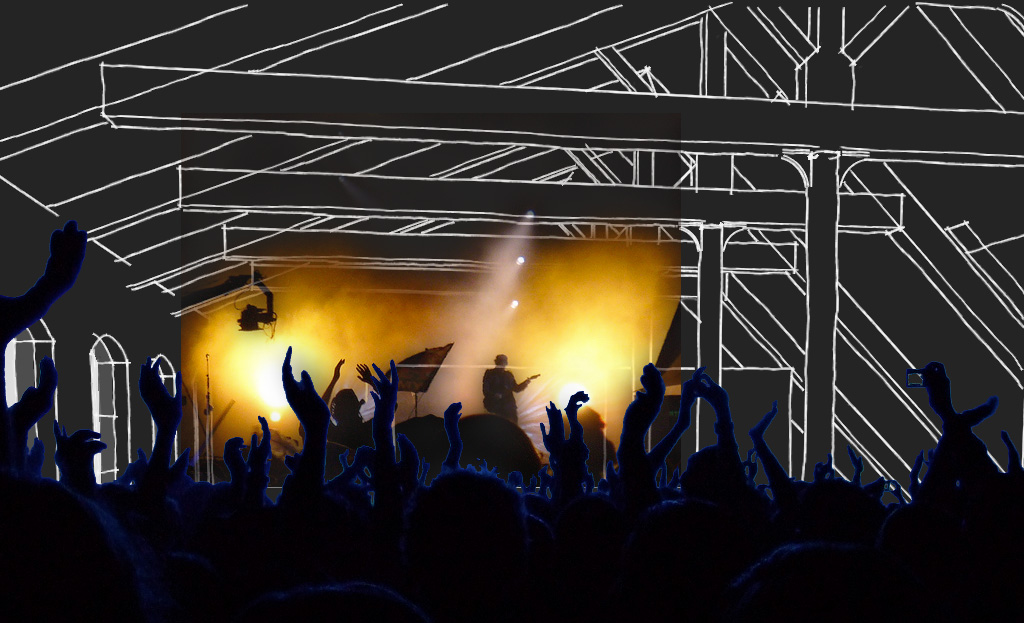
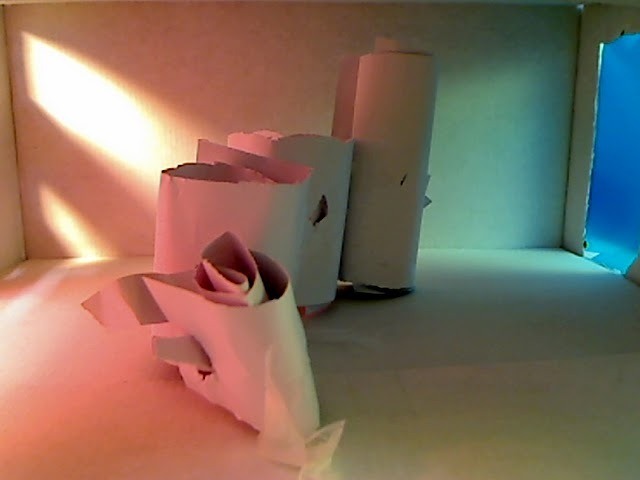
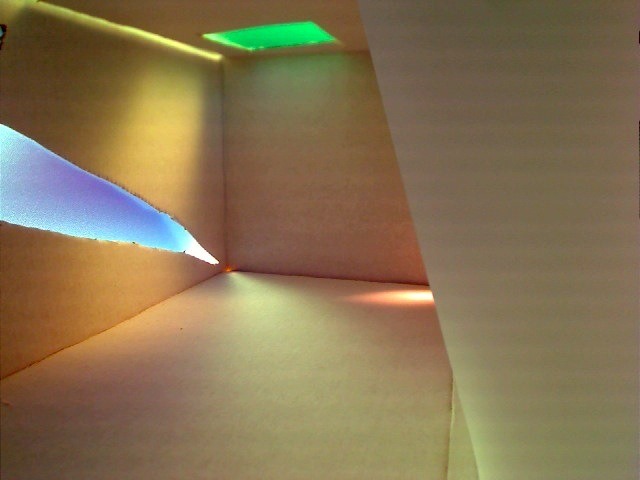
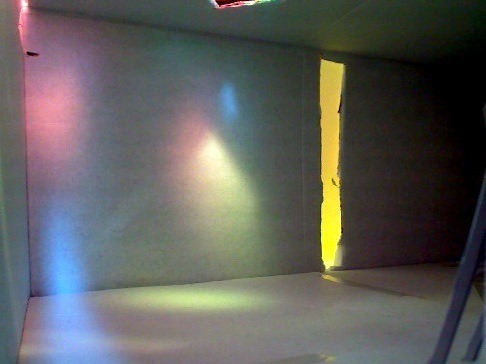
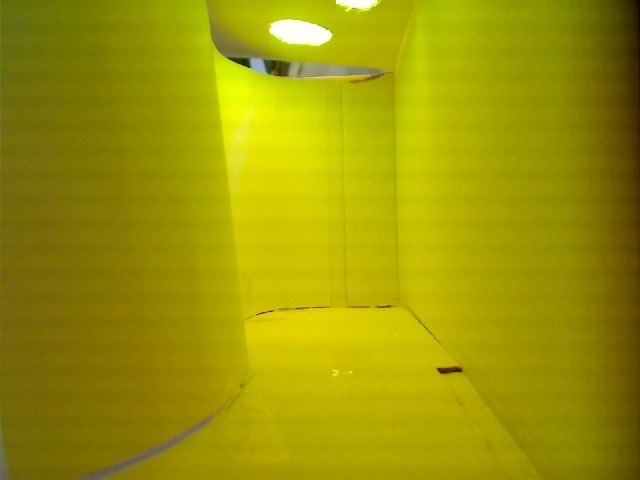
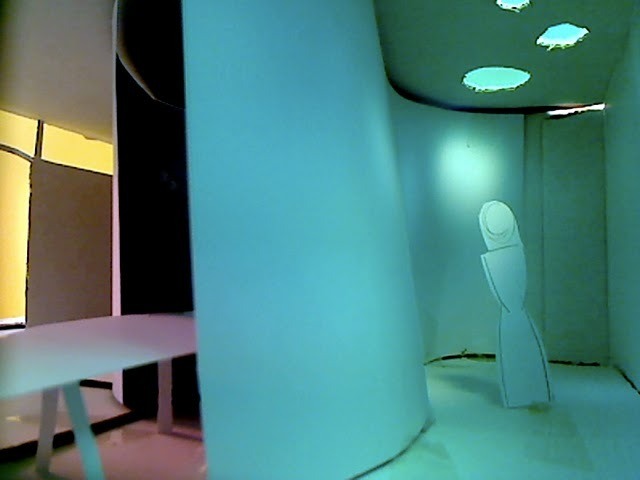
We’ve been helping the artists to get to grips with their building, making something workable, safe and with a strong identity on a minimal budget and, with the future of the building uncertain due to development and road widening plans, probably temporary. It’s a work in progress and an association with the art scene in Nottingham that we hope will continue. For us, it has also spawned a collaboration with artist Tristan Hessing on a piece for the Lincolnshire coast.
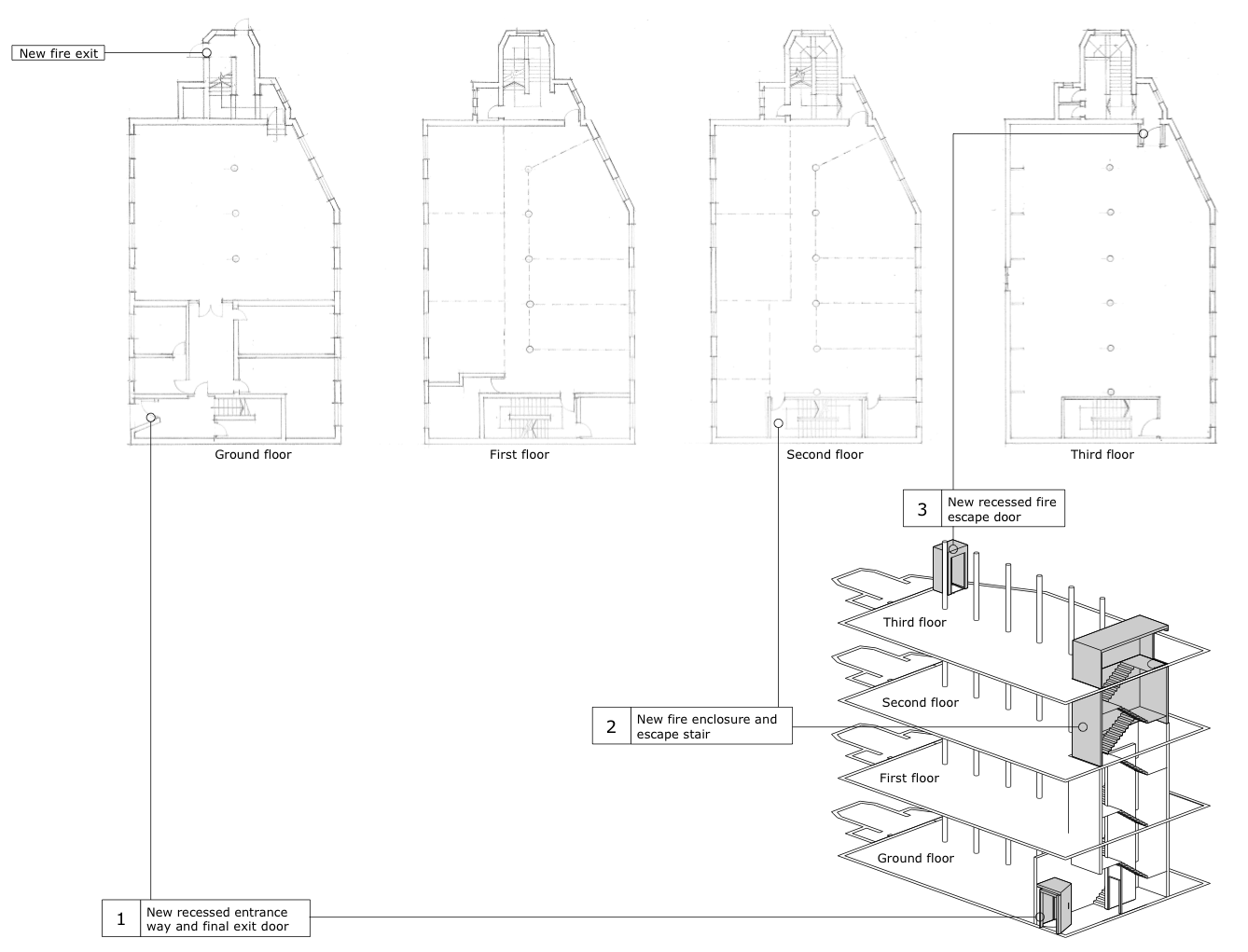
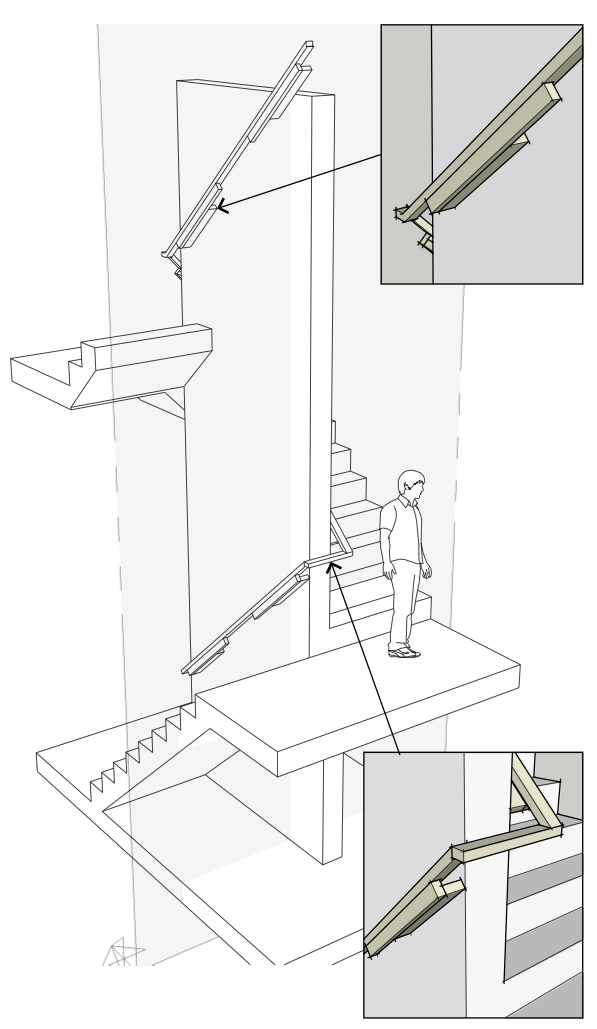
At 1 Thoresby Street an empty, wasted and forlorn building has had new life breathed in to it. We urge you to get down there to catch some Sideshow events, which run from 22 October to 18 December.

Mud, straw and tree trunks

Thibaut Devulder

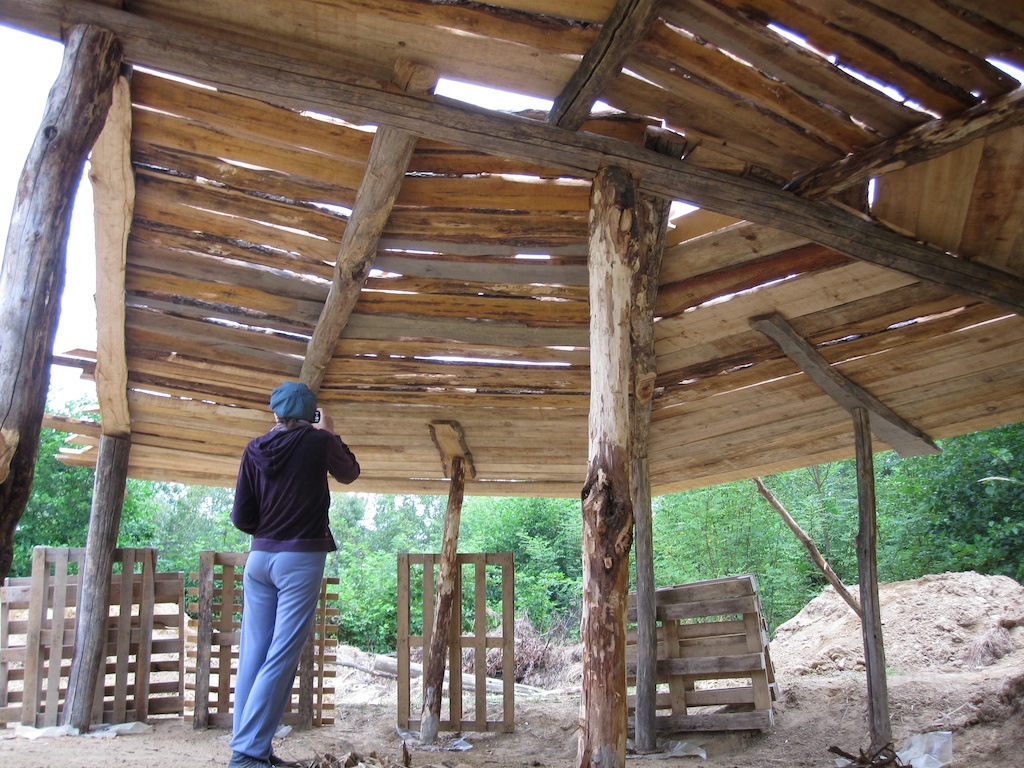
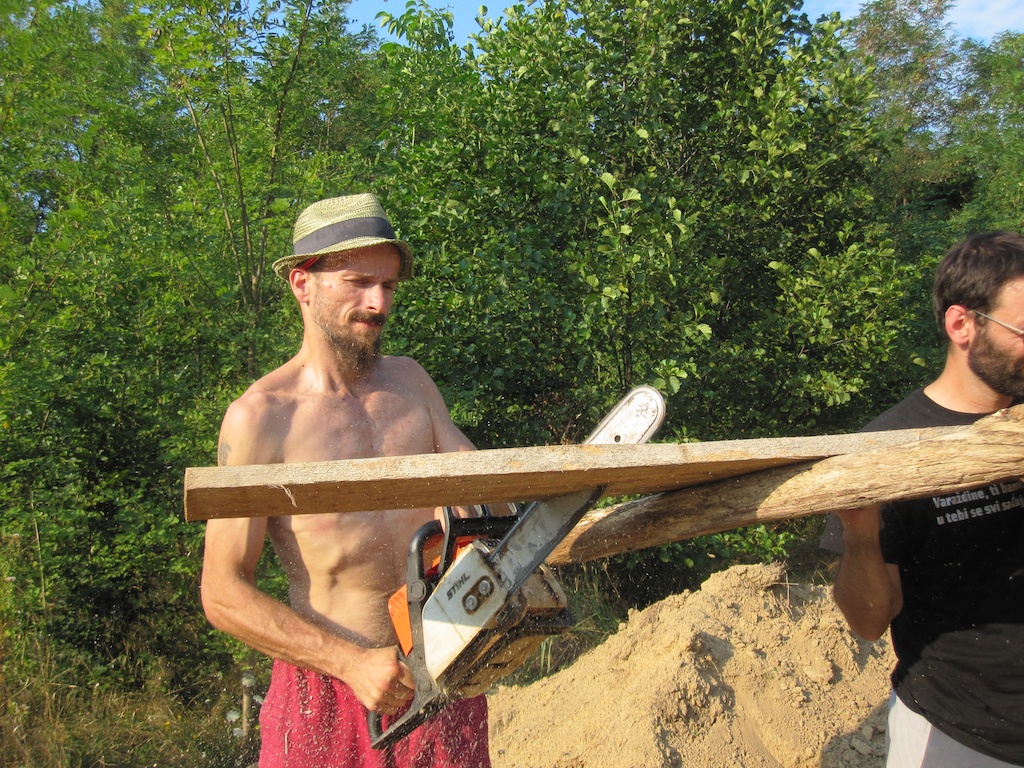
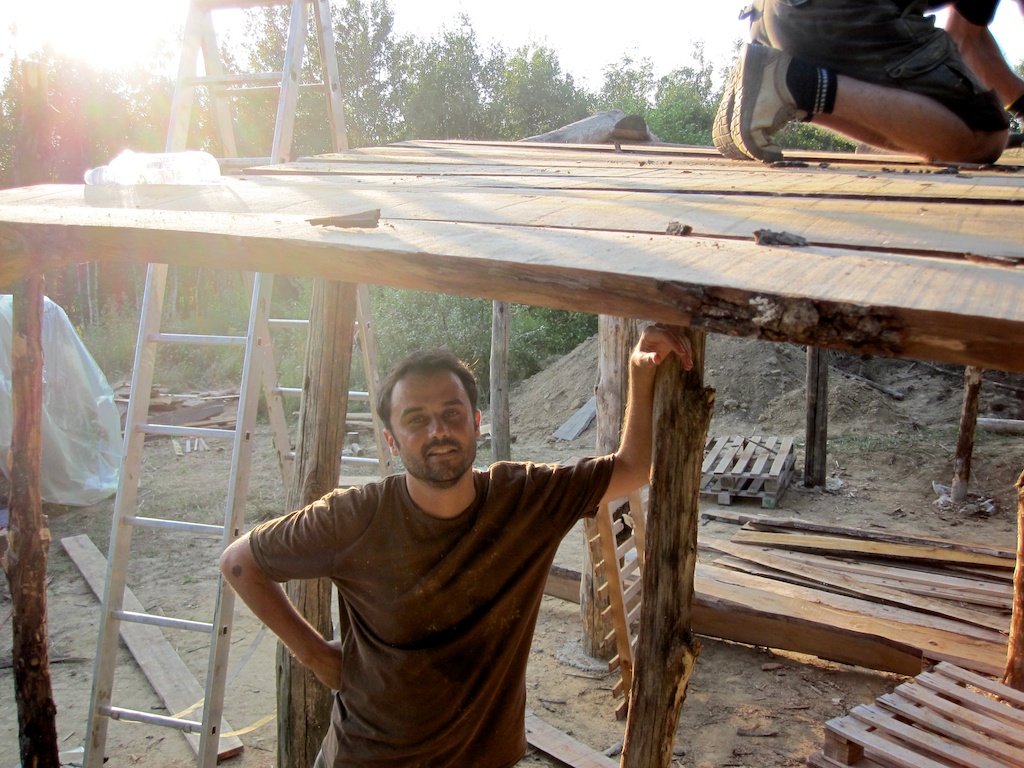
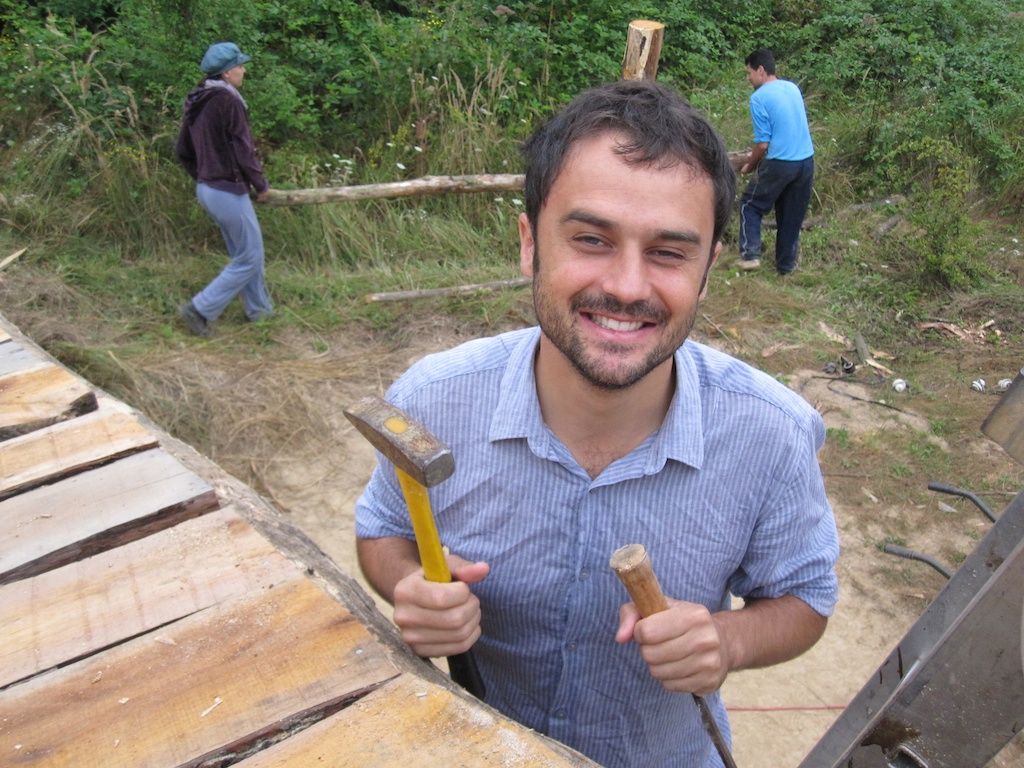
I just returned from a five-day eco-building workshop at the EkoSense community in Blatuša, Croatia, for some hands-on work on low-tech construction.
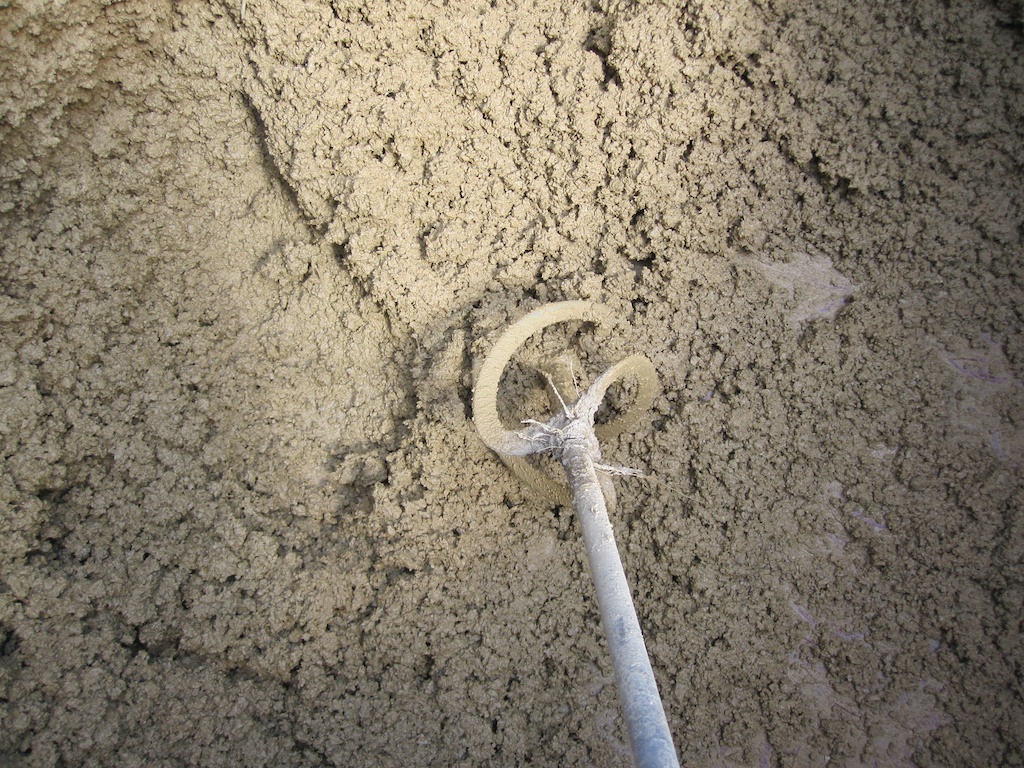
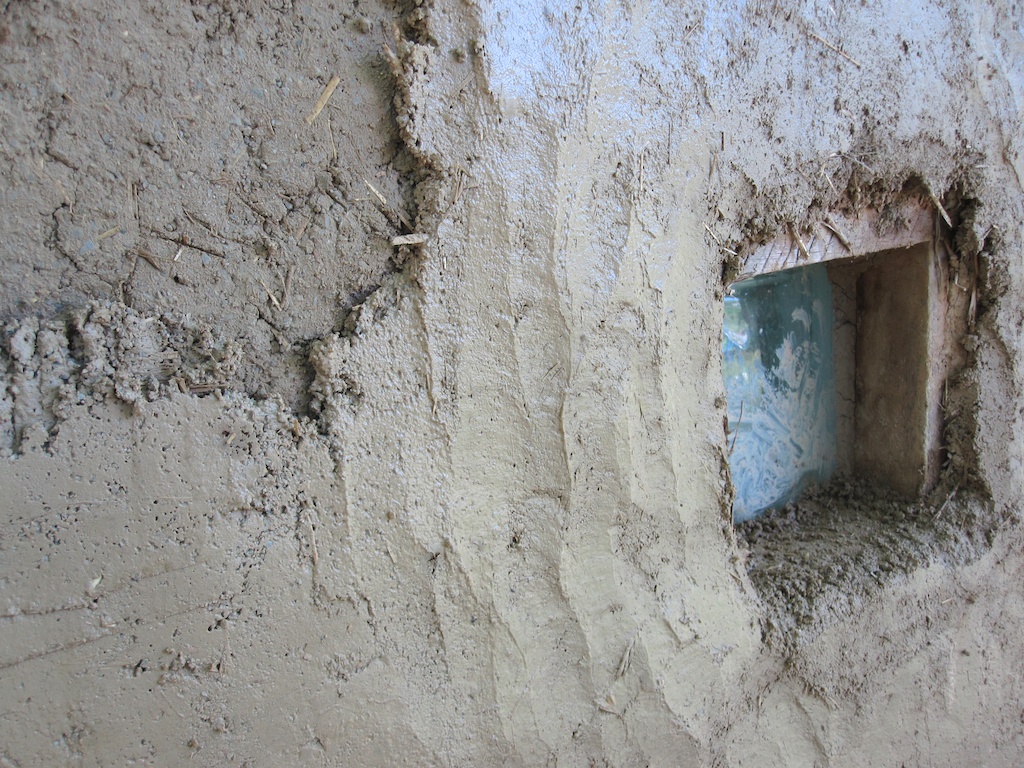
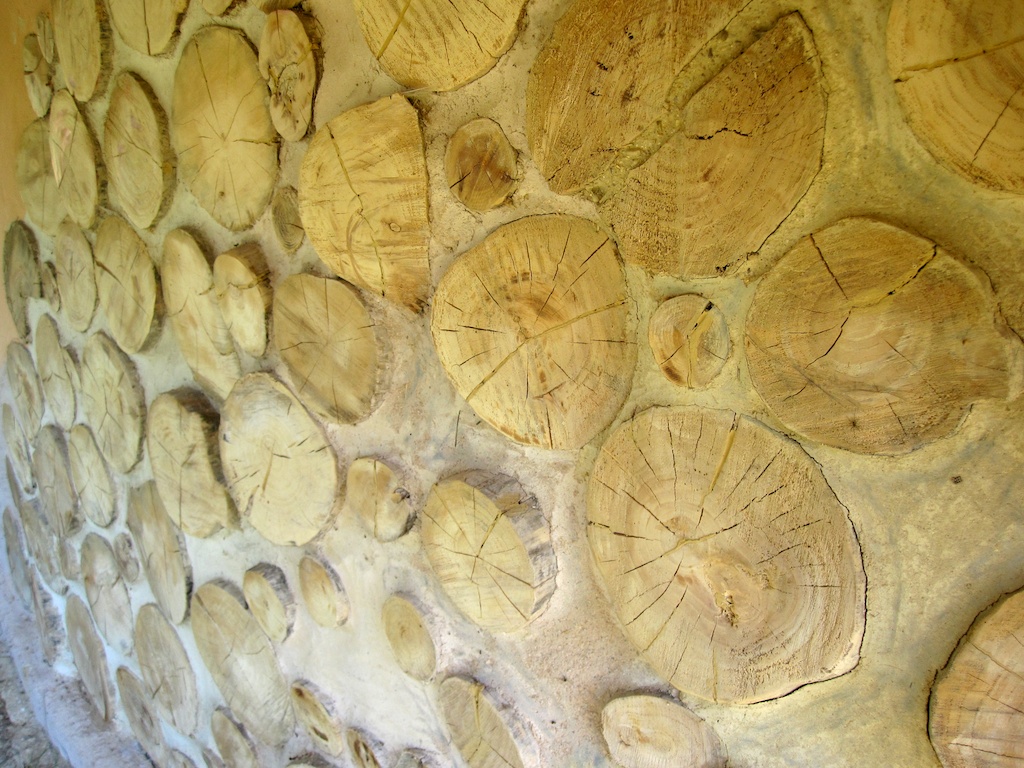
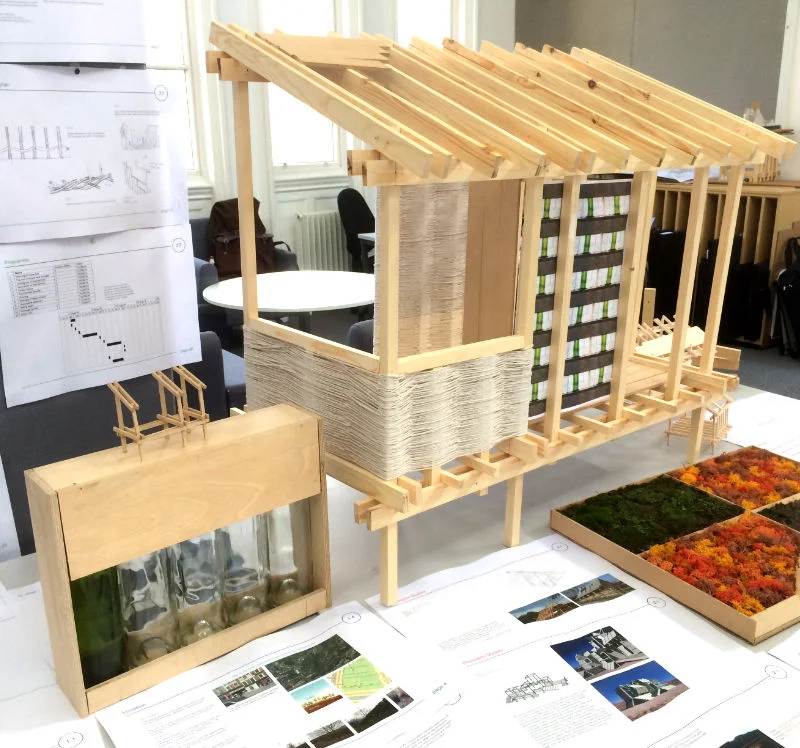
A very refreshing approach to making buildings: no tape measure, no drawing, no laser level, no materials shopping… Just a chainsaw, some odd tree trunks found on the land, strawbales from the neighbouring farm and some buckets of clay dug up from the foundations.

A big thank you to the EkoSense folks in Blatuša for their inspiring enthusiasm, warm welcome and fantastic home made sour cream!

Creative spaces in schools

Tom Hughes

Working with Creative Partnerships, artists, teachers and school pupils, we have explored the idea of creativity and how spaces can be made which support creative activities. While space in schools is traditionally divided up using subject and year-group boundaries, educational theory is increasingly coming to recognise the value of project-based creative work.

"How will schools of the future adapt to support new ways of teaching and learning?"

We were approached by Creative Partnerships (now known as The Mighty Creatives) to get involved in two projects in local Nottingham schools.

Initially attracted by 2hD’s user-centric approach to design and interest in active consultation, artists working at Mellers Primary School asked us to help in the process of involving teachers and pupils in imagining a future creative space. We worked initially with the staff and artists to open up a conversation about ‘what might be’ at the school, understanding the problems of the existing building but also making the potentials more apparent. We then observed the work of the artists with the pupils, compiling and analysing some of the outputs from that process.

A second project followed at Manning Comprehensive School for Girls, an intense collaboration with a teacher and group of sixteen Year 9 pupils. The objective of the project was to explore the nature of ‘creativity’ as it relates to our work as architects. We ran a live design project with the pupils, taking them through the process of converting an existing crafts room into a flexible creative space.

Using examples of our own processes, inspiration from books and a visit to the art and design studios at Nottingham Trent University, we enabled the pupils to develop, present and debate their own design ideas. This culminated in an exhibition at which pupils from the whole school could vote for their preferred design of the new space. We then took those design ideas and worked them up into a presentation which will be used for fundraising to build the project.

2hD’s impact was in developing a lasting understanding of the creative processes and demonstrating to young people that creativity isn’t just about having good ideas. That has to happen within a framework of understanding the issue, consulting others and evaluating how far your ideas meet your original intentions.

2hD also acted as a bridge between the school and higher education which had a significant impact on the girls.
Jo Gogelescu, Deputy Head at Manning School for Girls

Sneinton Trail map

Thibaut Devulder

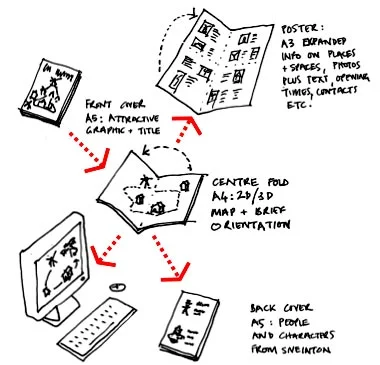
To tell visitors and residents the hidden story of the neighbourhood of Sneinton, a local social enterprise asked us to create a 3D visualisation of the area, where we also live and work. This formed the centrepiece of a printed brochure promoting a tourist trail around Sneinton’s historic attractions. 

The final map, carefully crafted to be accessible and engaging, while still representing enough information for orientation and navigation

We have had a long term involvement with Sneinton Alchemy, a local social enterprise dedicated to making Sneinton a better place to live and work. The Sneinton Trail was one of their projects, inviting local people and visitors to discover the jewels hidden in the winding streets surrounding George Green’s famous windmill.

Teaming up with Nottingham Essence, who gathered information about the local history and took care of laying out the brochure, we set about creating an accessible and engaging “treasure map” for our neighbourhood.

We were keen to get across a sense of the landscape and built form, something that is often missing from standard tourist maps. We started by creating a three-dimensional computer model of Sneinton, which served as a basis for the design of the map. Some extra visual survey and on-site sketches brought life and visual clues into the model.

The exercise then became a subtle exploration of alternative presentation techniques and colour schemes to strike a balance between, on one hand, keeping the map as simple and readable as possible and, on the other hand, providing enough details for the visitors to easily orient themselves and navigate along the trail.

The finished brochure was distributed to all residents of the area, inviting them to go and explore their local heritage. You can also get a free copy of the brochure at many of Nottingham’s tourist attractions, and of course at Green’s Mill!

We created a simplified 3D computer model of the urban space by mashing up scaled maps and on-site photography and sketches

We created a simplified 3D computer model of the urban space by mashing up scaled maps and on-site photography and sketches

We helped Sneinton Alchemy put together a funding bid for the project by visualising the finished product, explaining the strategy and outlining the community benefits.

We helped Sneinton Alchemy put together a funding bid for the project by visualising the finished product, explaining the strategy and outlining the community benefits.

I enjoyed working with 2hD on the Sneinton Trail leaflet: they brought a range of professional experience but were always open to incorporating other people’s ideas!
Colin Haynes, collaborating local historian

Portfolio project
Broadway School

Thibaut Devulder

As part of the nationwide programme Building Schools for the Future, 2hD were asked by Lathams Architects to work on the conceptual development of one of the exemplar designs — the renovation and rebuilding of an existing 1960s school to accommodate an additional 300 pupils on a tight inner city site, within a limited £15m budget.

Our consortium later on won the bid for the Building Schools for the Future programme in Birmingham.

We were approached at an early stage of the design process and we focused on: 

  • carrying out key site studies, including access and climatic factors,
  • developing the initial conceptual design,
  • replanning the building and site to accommodate a new flexible teaching model,
  • designing the interiors in response to the tight technical and financial constraints.

We worked closely with other consultants, including fire and structural engineers, landscape designers and education experts to integrate their input to the core of the design approach. 

Our approach: 

  • redesigning the school to ensure a friendly welcome and easy circulation for staff, pupils and the community.
  • Incorporating a deep understanding of the transition in teaching methods to allow this to happen naturally over time.
  • creating pleasant learning environments within the pressures of a tight budget and limited space on site.

We initially developed alternative design concepts exploring the subtle relationship between the school and the surrounding communities.

We initially developed alternative design concepts exploring the subtle relationship between the school and the surrounding communities

We sketched extensive and detailed views of the proposed teaching spaces to communicate design ideas to the client and the other members of the team

The evolution of educational methods was to be embedded into the design and we made sure that all teaching spaces were flexible to allow a smooth transition over time

Broadsheet Trees

Thibaut Devulder

What do the people of Nottingham think about the built environment around them? How do they interact with it? What role do they have in the future development of the urban space in which they live? How do they imagine this future?

As part of Architecture Week 2007, we teamed up with people from Casciani Evans Wood to create an interactive exhibition — Broadsheet Trees — that would voice the opinions and aspirations of the Nottingham people about their city.

Situated in the neoclassical Arcade Exchange in the heart of Nottingham, just a few steps from the City Council, the exhibition took the form of a series of stylised ‘trees’ on which passer-bys were invited to express themselves using colour-coded leaves that they pinned up on the branches. As the exhibition went on, the trees grew into large colourful objects, creating an intriguing and engaging platform for public expression.

As the exhibition goes on, the trees grow into large colourful objects, creating an intriguing and engaging platform for public expression

With more than 500 entries in a single week, the exhibition was a great success. The Broadsheet magazine later added the voiced opinions to their website, inviting visitors to participate in a public debate about the future of Nottingham’s cityscape.

Designed to be easily manufactured on a tight budget and assembled with simple handtools, we have since helped on many occasions local grassroots organisations to use these trees as a friendly and fun way to engage their communities in public consultations and events.

This project was commissioned by Arts Council England, the Royal Institute of British Architects (RIBA) and the Architecture Centre Network.

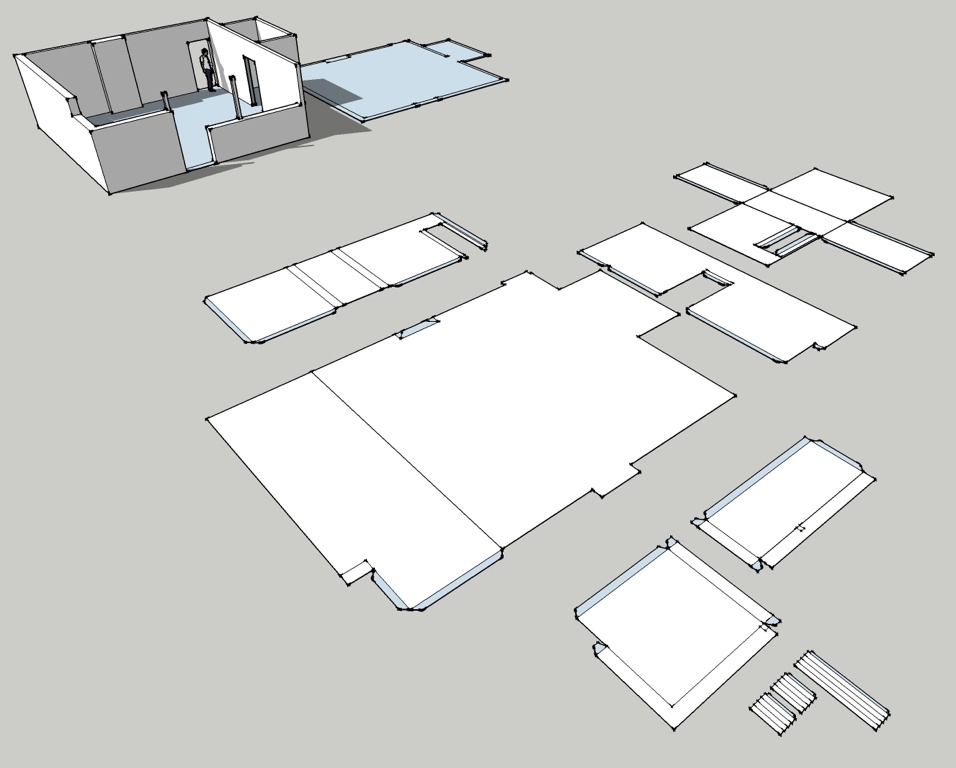
The project was run on a very tight budget and timescale, so we made sure that all the elements of the installation could be made quickly by ourselves