Vinyl furniture ready to install

Thibaut Devulder

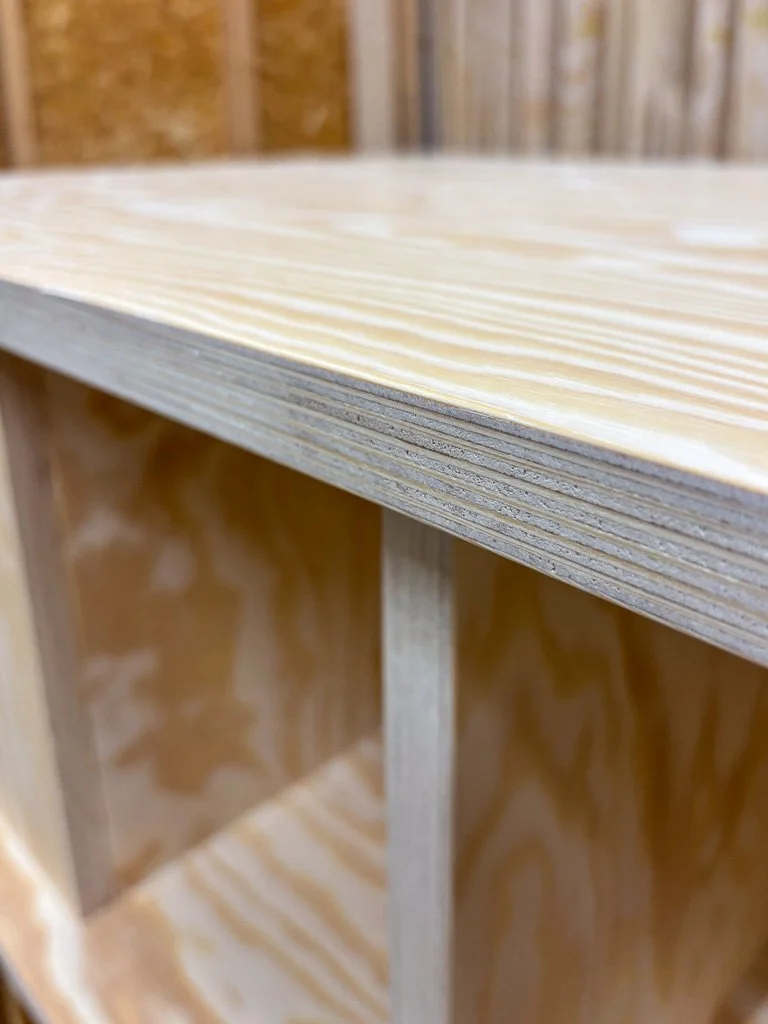
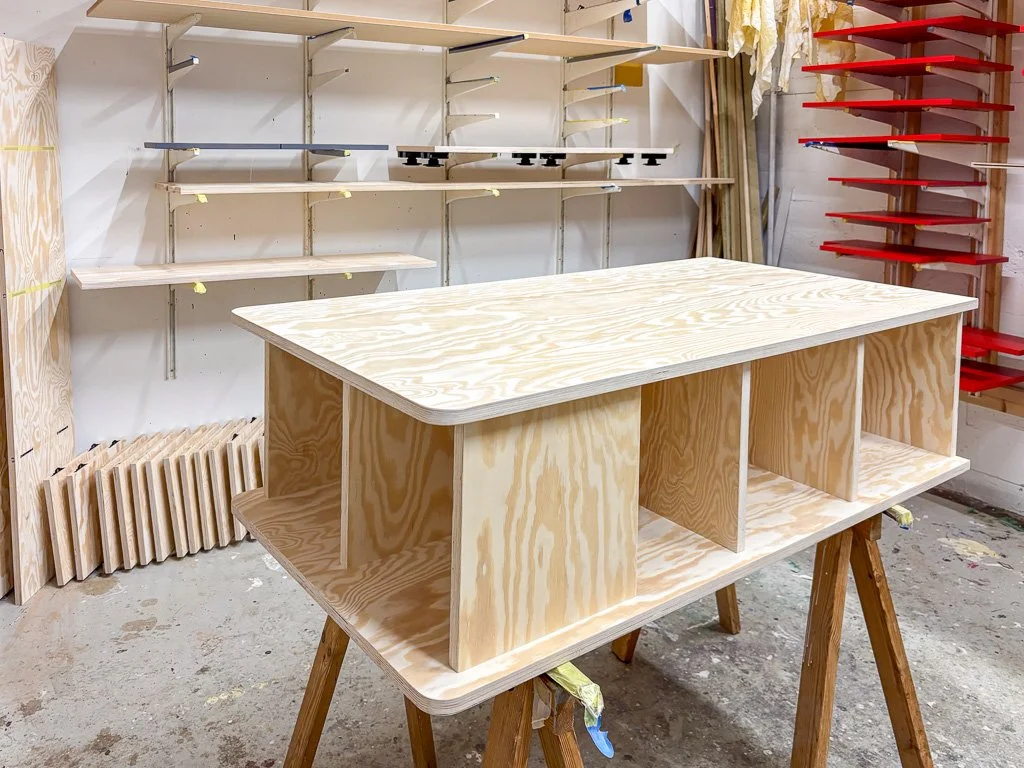
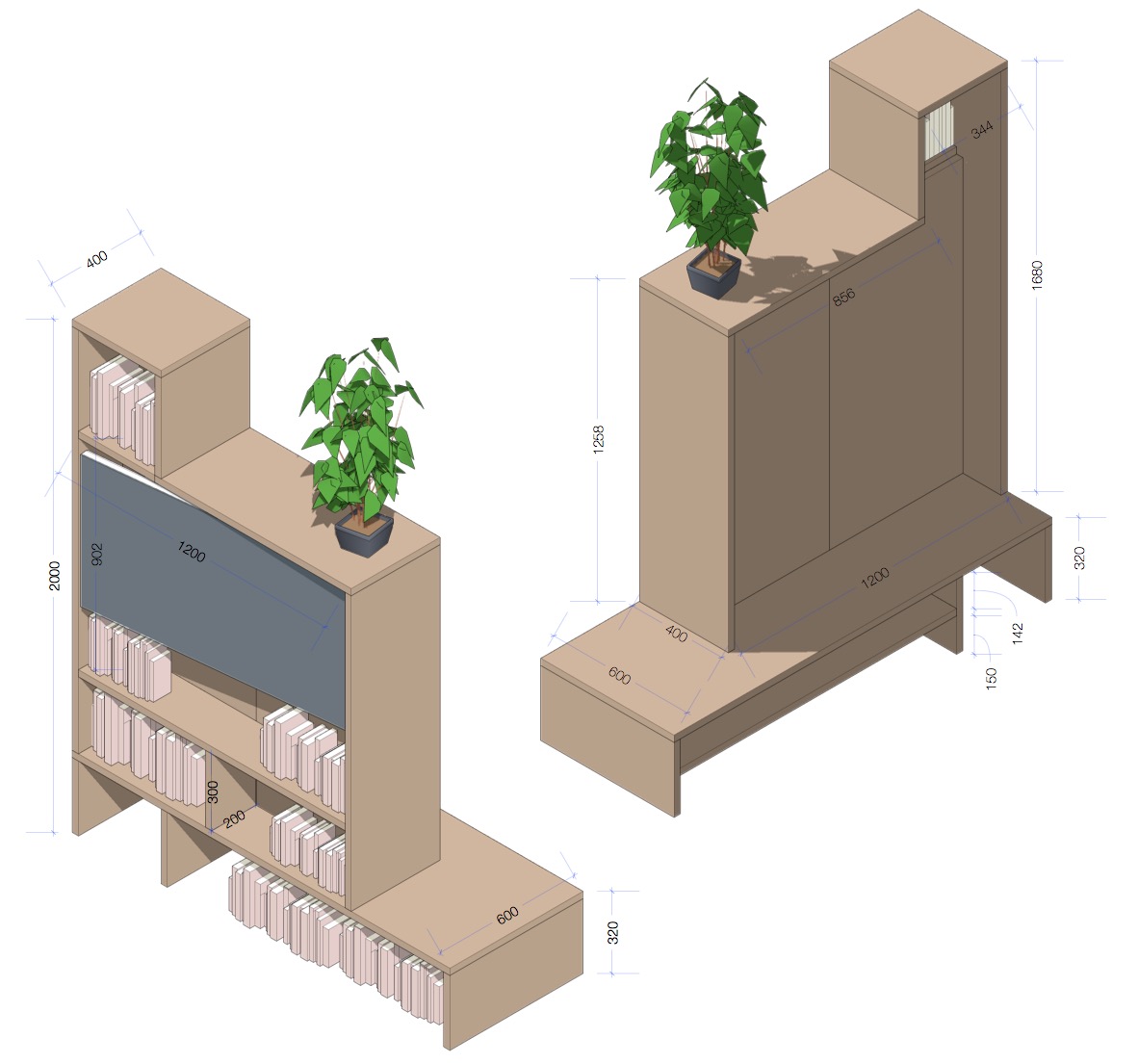
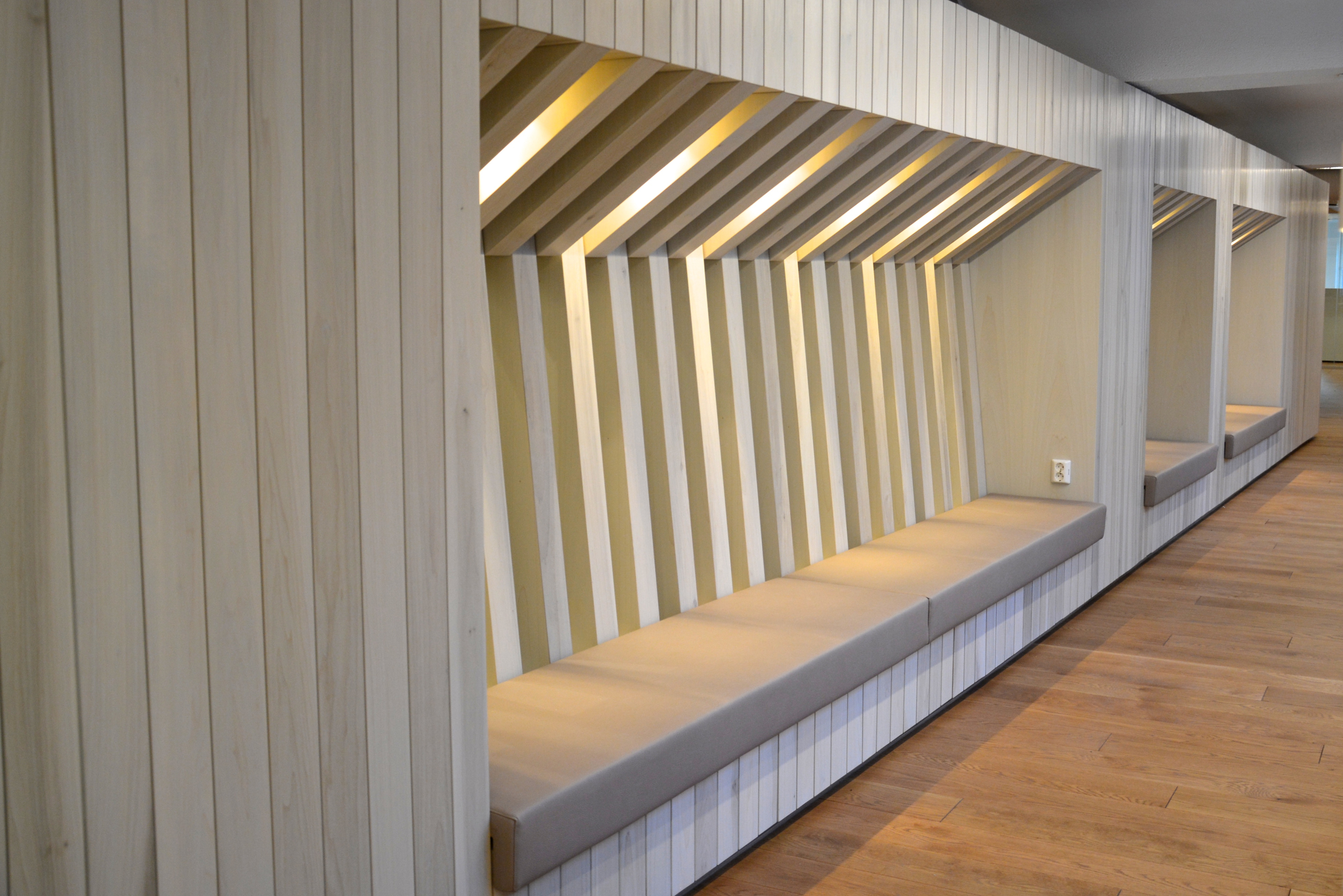
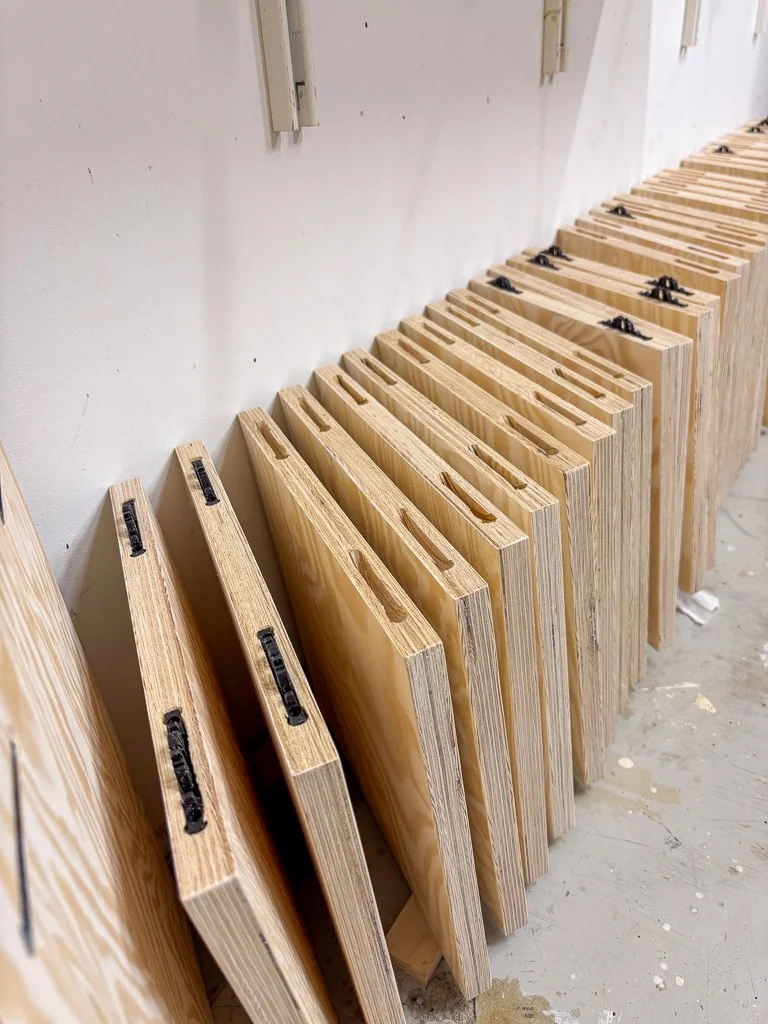
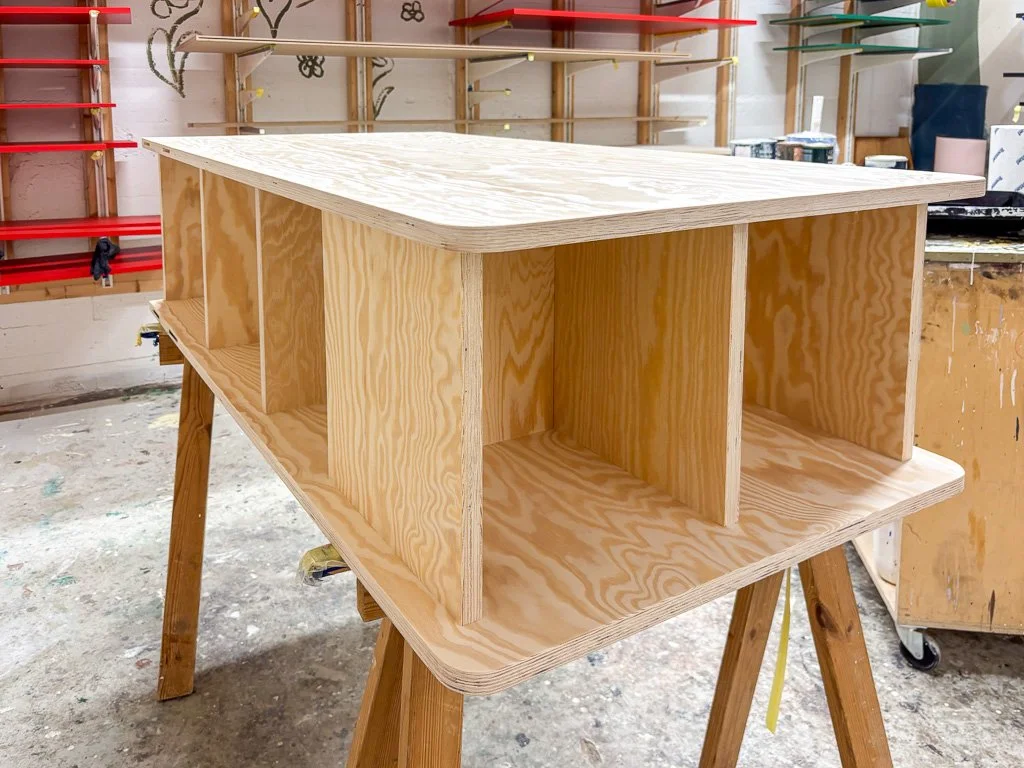
The sitting bench of the new “vinyl corner”, and the modular shelving components behind it, ready for installation in the Kroloftet workshop

This integrated shelving and bench was fabricated in our wood workshop in Kroloftet by the talented people at Møbelsnekker Mellonie.

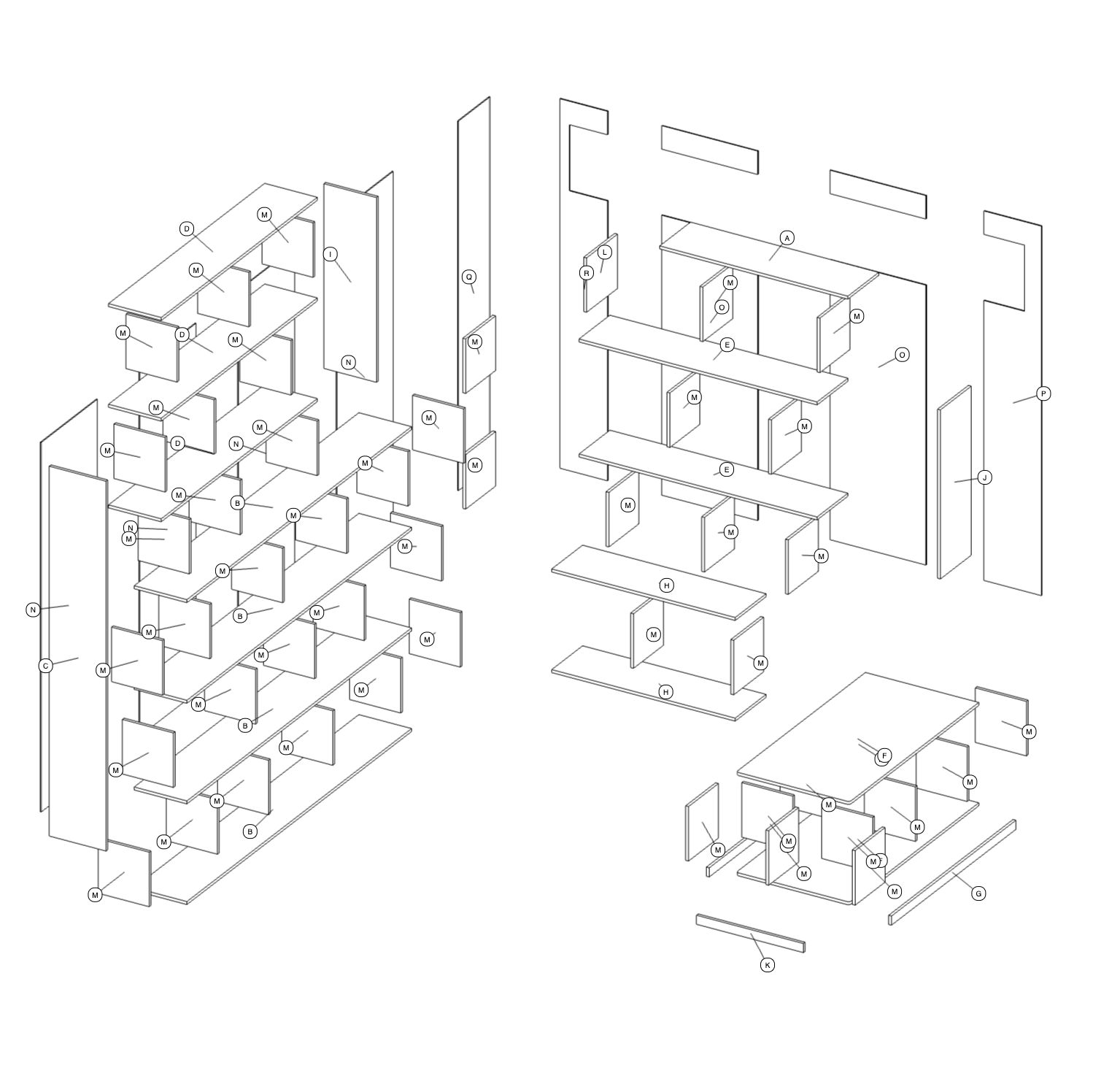
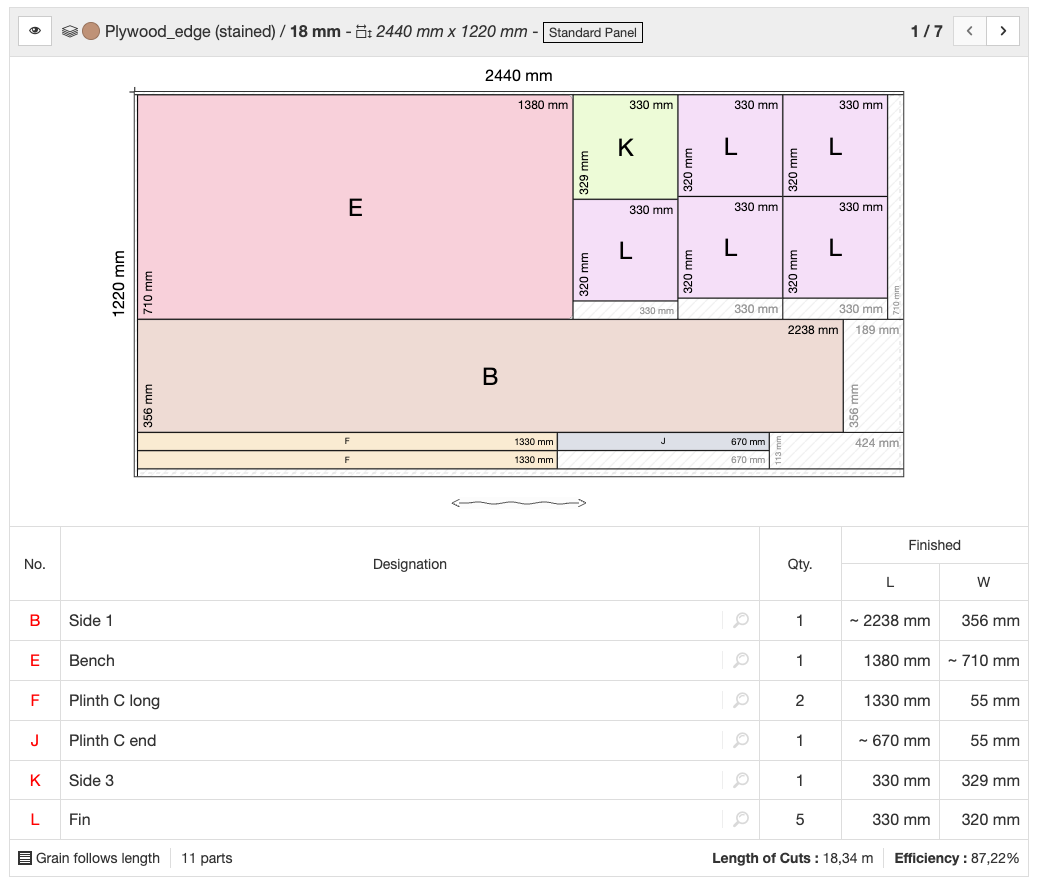
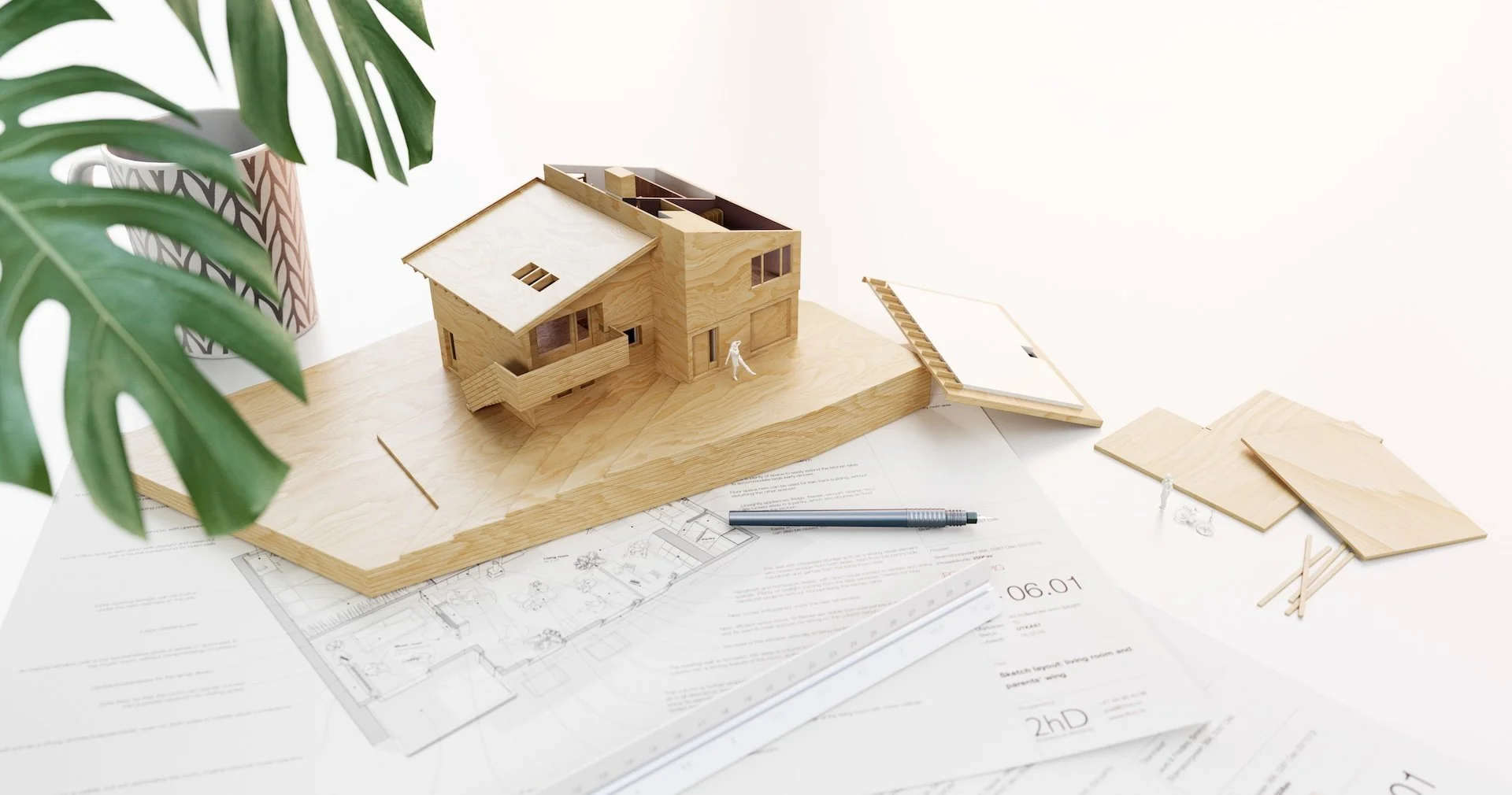
The fabrication was based on our detailed 3D model of the furniture, which was not only used to develop the design with our clients, but also to visualise it and to generate all necessary cutting lists and material bills to produce the furniture.

This integrated workflow makes it easy to design and fabricate built-in furniture that are perfectly tailored to our clients’ needs, allowing fast track design, cost-effective materials procurement, skilful production in our wood workshop and, finally, smooth installation on site by experienced professionals.
Can custom-made furniture help you make the most of every square meters in your home?

Displaying a vinyl record collection

Thibaut Devulder

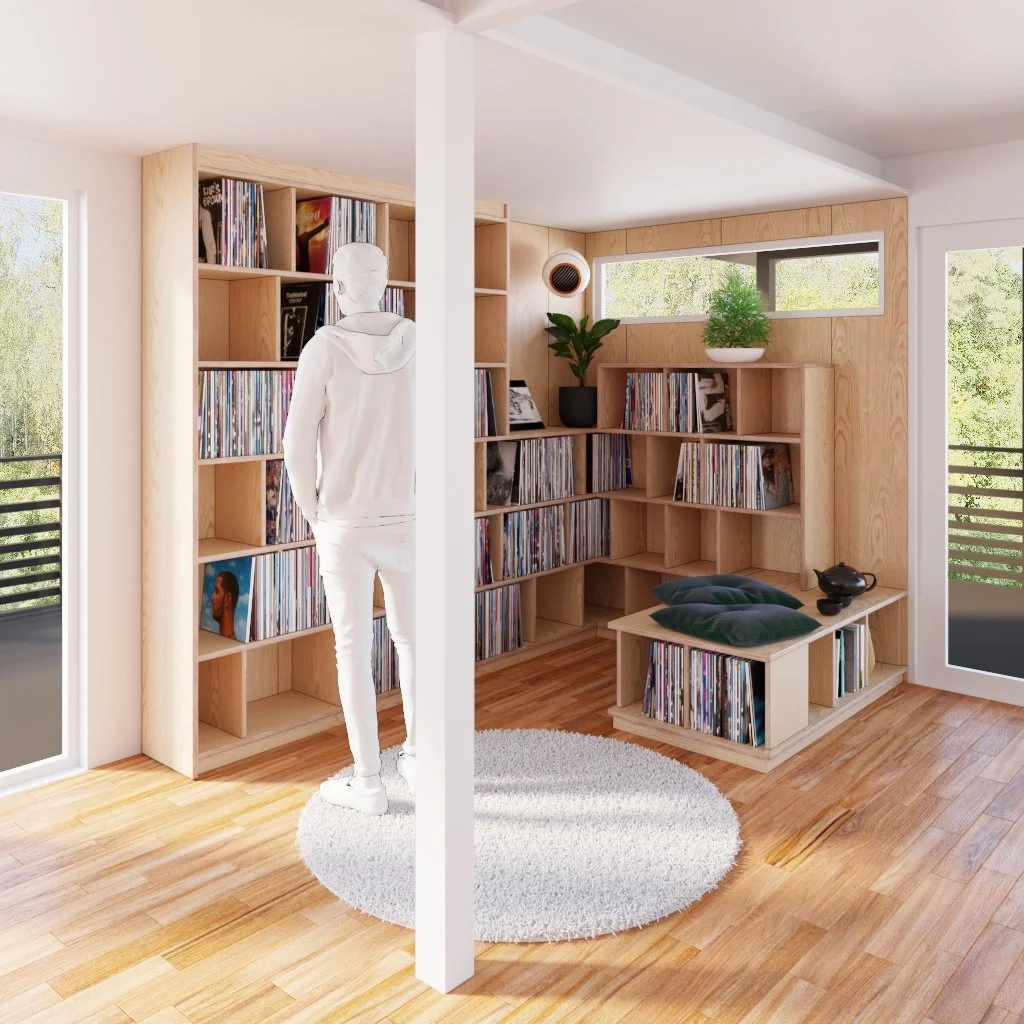
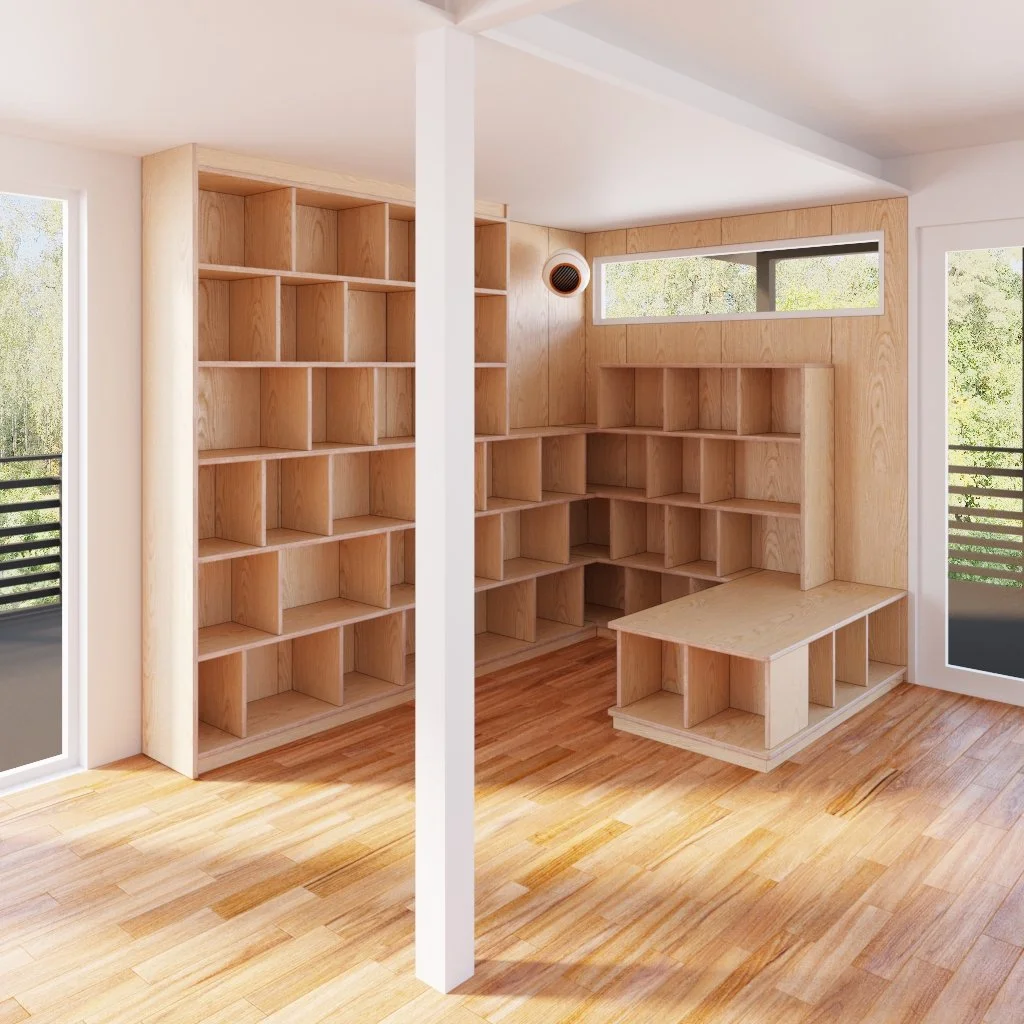
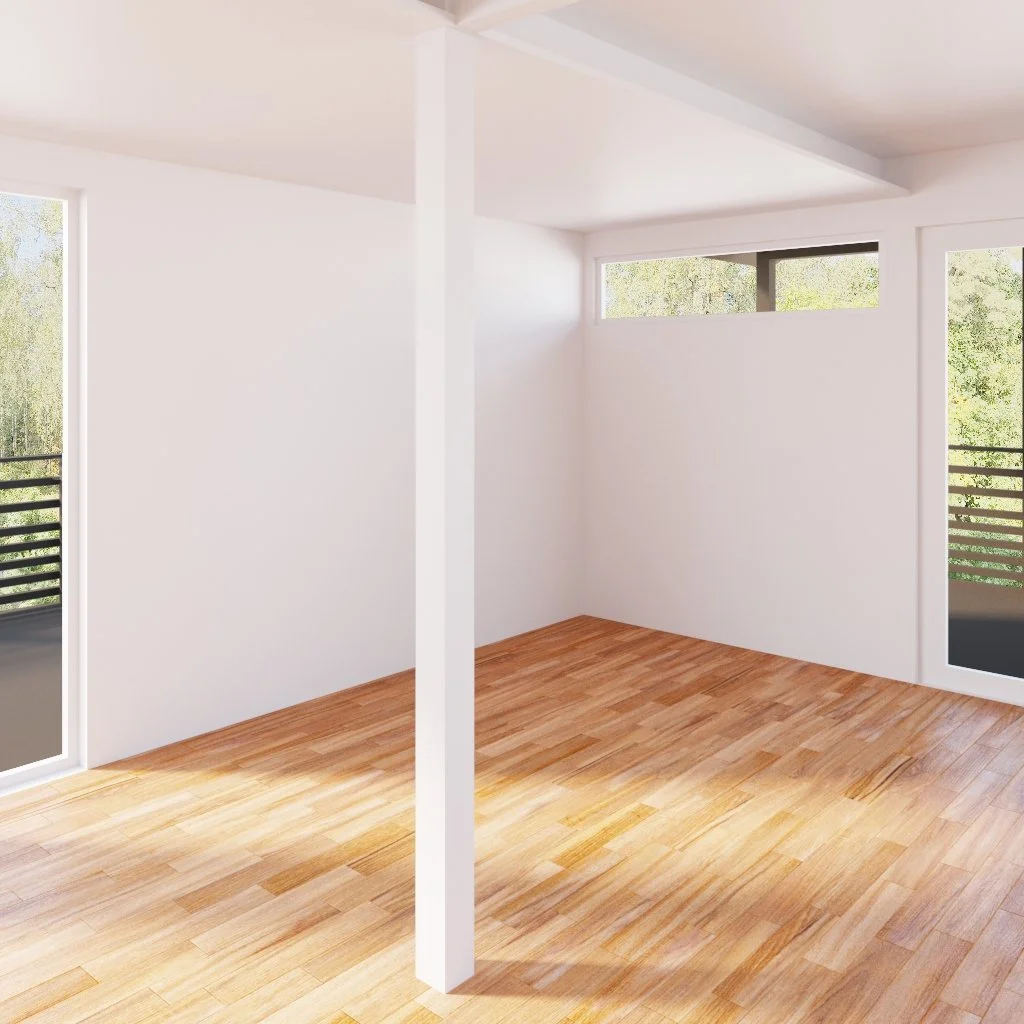
Our clients wanted to showcase their vinyl records in their Oslo home we had remodelled. We designed this little “room inside a room”, a place in their living-room to display their spectacular collection, but also an attractive alcove to sit down, browse through the titles and enjoy the music.

Using the plywood chosen by our clients, we created a 3D model to visualise our proposal, and help them finalise with us the last details of the design, to perfectly fit their needs.
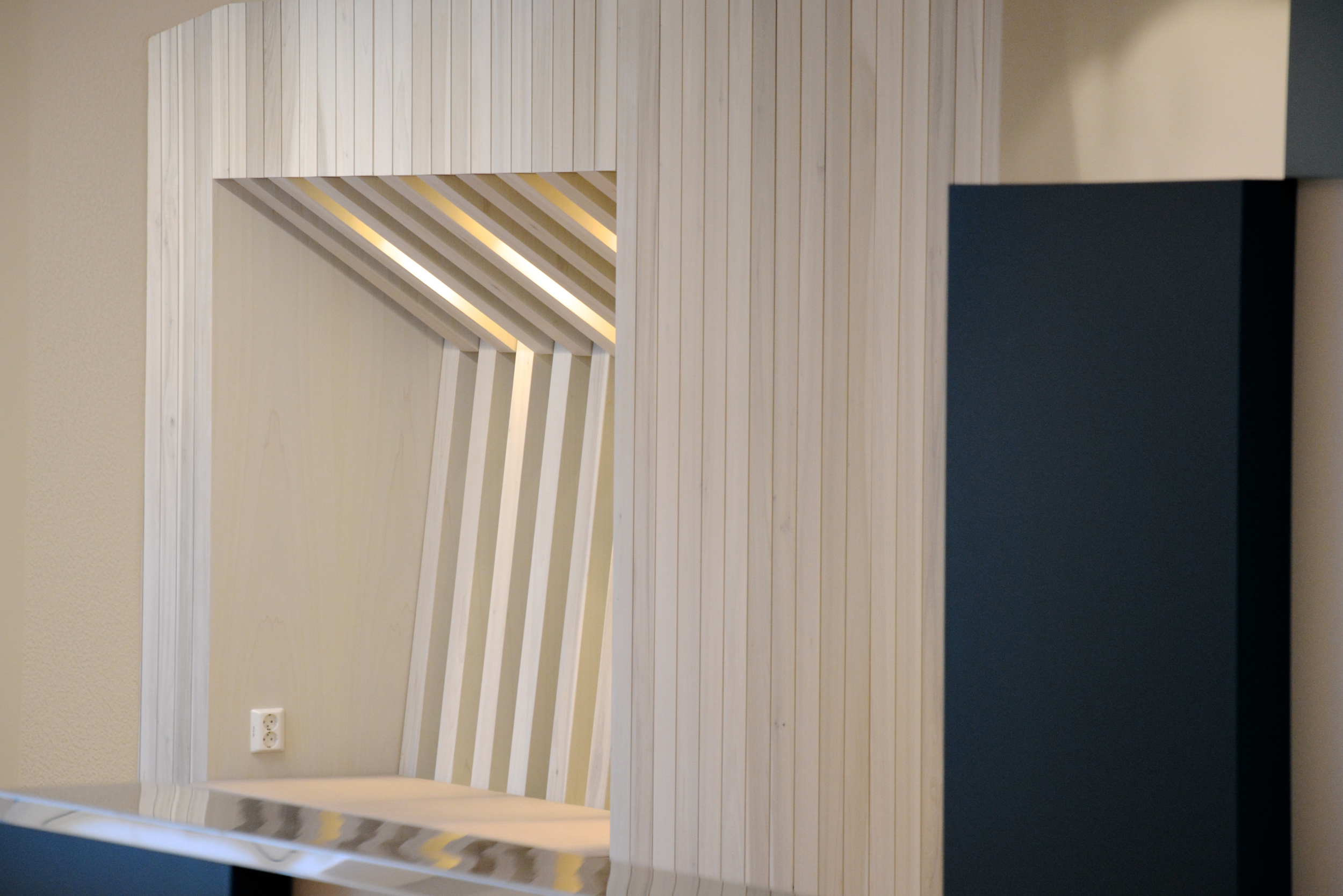
From there, we could quickly prepare all technical documentations from this model for the rapid fabrication in our wood workshop at Kroloftet, including detailed budget, cutting lists and assembly procedure.


Would you like affordable custom-made furniture for your home?

Portfolio project
In memory of Frithjof Reppen

Thibaut Devulder

Our second collaboration for the Synergi exhibition in Oslo was with artist Carlos Martin, to create an engraved table as a memorial for Norwegian architect and resistant Frithjof Reppen (1893–1945).

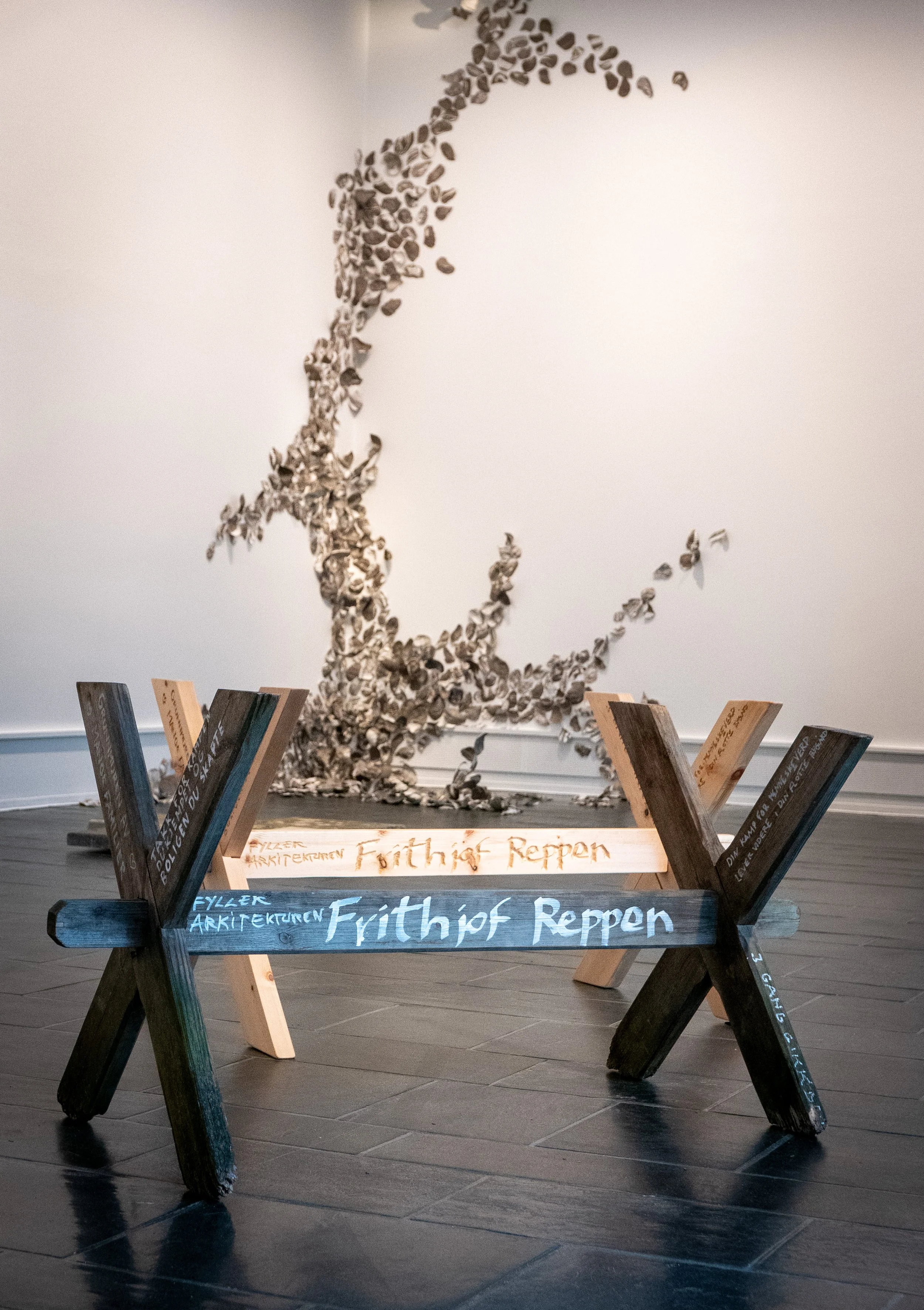
The frame of the old table with its painted inscriptions, in front of the the new carved frame in ore pine (displayed at the Synergi exhibition, in Oslo)

One of the first Norwegian architects to introduce the modernist movement to Oslo, Reppen was arrested in 1941 and imprisoned for being part of a group publishing and distributing Jøssingposten, a newspaper opposing the nazi occupation. Deported to a concentration camp near Vienna, he was eventually shot dead by his captors in 1945.

The starting point for this installation was to transform an existing wooden picnic table, located in the garden of Reppen’s housing block on Professor Dahls gate 31-33, his most emblematic architectural project in Oslo.

With no apparent connection to Reppen, this mundane object — a standard garden furniture mass produced in cheap wood during the 1980s  — was transformed into a receptacle for the memories of the residents of the housing block.


We then fabricated an exact copy of the existing table. But rather than using the impregnated wood of the original, the new copy was made with ore-wood (Malmfuru, in Norwegian), a cured heartwood from old-growth mountain pines, the same highly durable wood famously used in Norwegian stave churches dating back from the 12th century.

In parallel, the residents of the housing block were invited to reflect upon Frithjof Reppen’s history and to adorn the old table with their thoughts, using white paint markers.

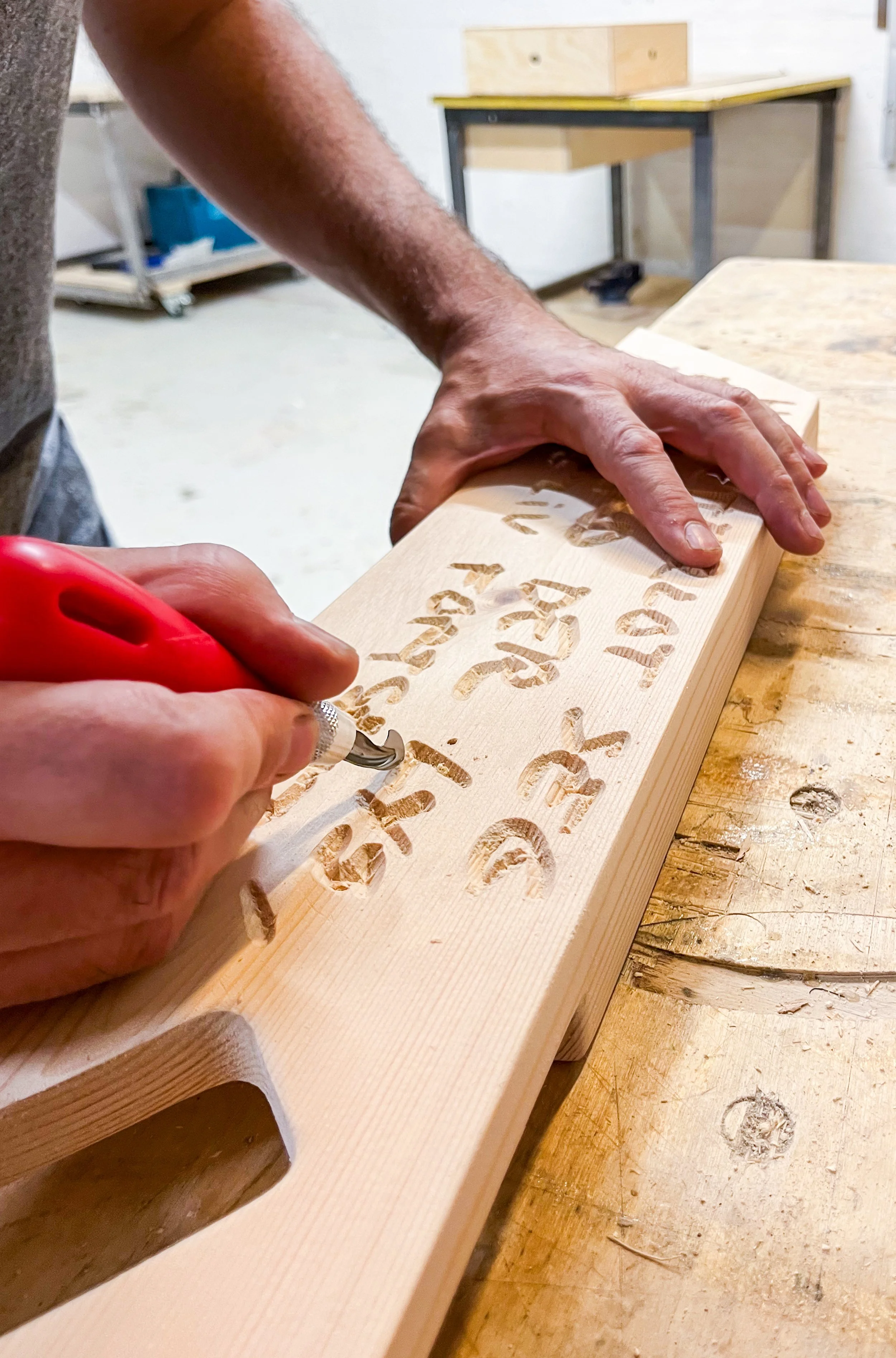
These writing were finally digitalised and carved into the new table, creating an identically engraved copy.

Detail of the engraved surface of the new ore-pine table

The exhibition presented the frames of the two tables side by side, collecting the story of Frithjof Reppen: the dilapidated old table with its paint writings, and our new, engraved ore-pine version. A contrast between the mundane mass-produced picnic table treated with environmentally harmful preservatives, and the new identical table, with memories engraved into its naturally durable material.

At the end of the exhibition, the new table replaced the old one in the courtyard of Reppen’s housing block, and became the material support for a community-based piece of memory of architectural, political and social history.

The new engraved table in the garden of Reppen's housing block on Professor Dahls gate 31-33, Oslo


We would like to thank Kroloftet and Sameiet Professor Dahls gate 31/33 for their financial support, as well as Peter Magnus for his assistance during fabrication. The ore-pine was supplied by the excellent Svenneby Sag og Høvleri.

Portfolio project
Creative solutions for plastic waste

Tom Hughes

Plastic is a material that we’ve tended to avoid, put off by our awareness of the environmental problems that its irresponsible use has created. The reduction in plastic use, finding more ecologically friendly alternatives, is still a great idea. But what about the mountains of plastic waste that already exist? Can we contribute in some way to preventing these carbon-intensive materials from ending up in landfill, or in the gullets of turtles, fish and sea birds?

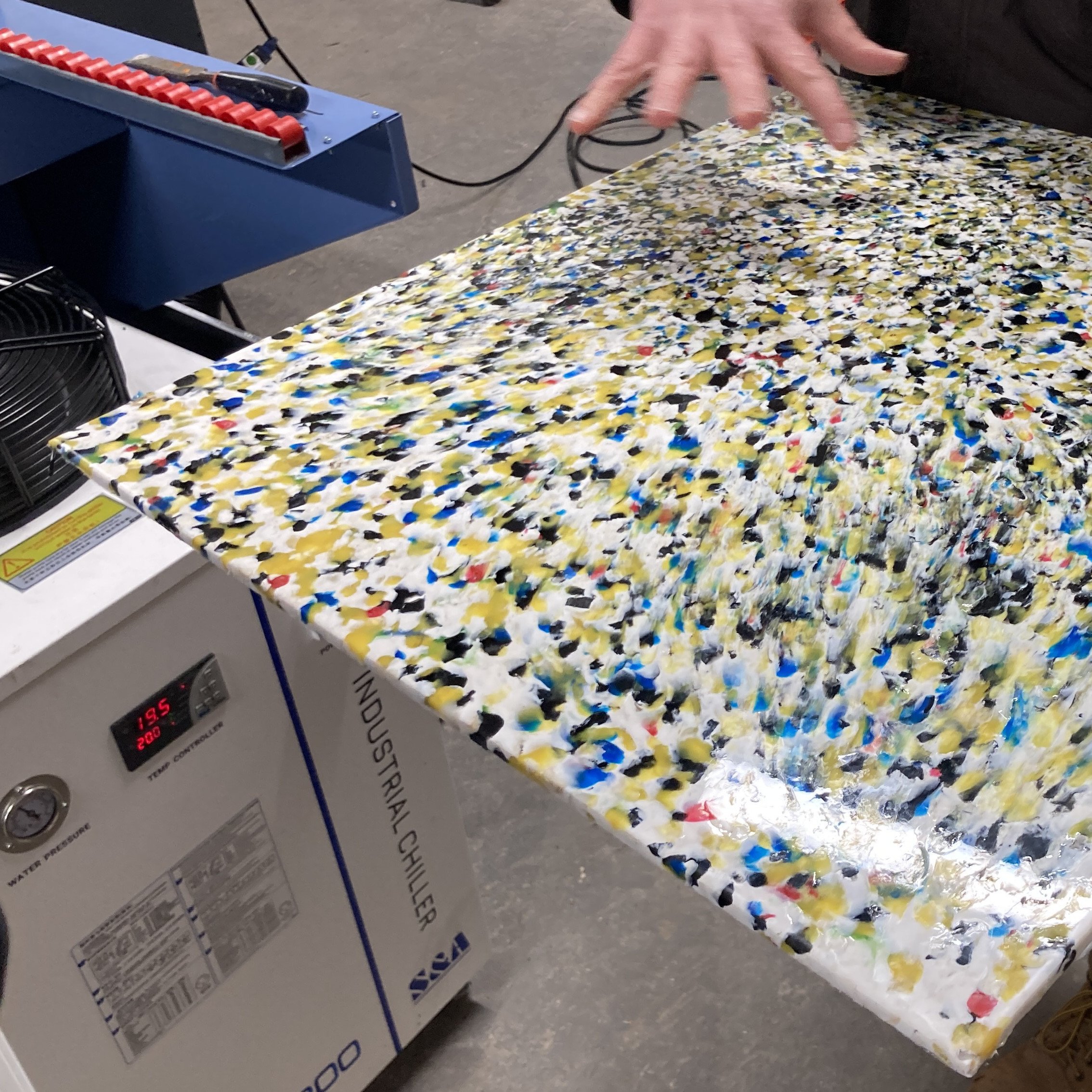
At Future Makers, a creative hub in Nottingham, we’ve been learning about plastic waste and helping set up facilities for turning it in to useful recycled (and recyclable) products. Adding value to a waste product makes the process of collecting and recycling it worthwhile and cost effective. The Future Makers ethos is to approach these problems in a creative way; they bring together the infrastructure required with the expertise and knowledge that enables artists and designers to explore new ways of working.

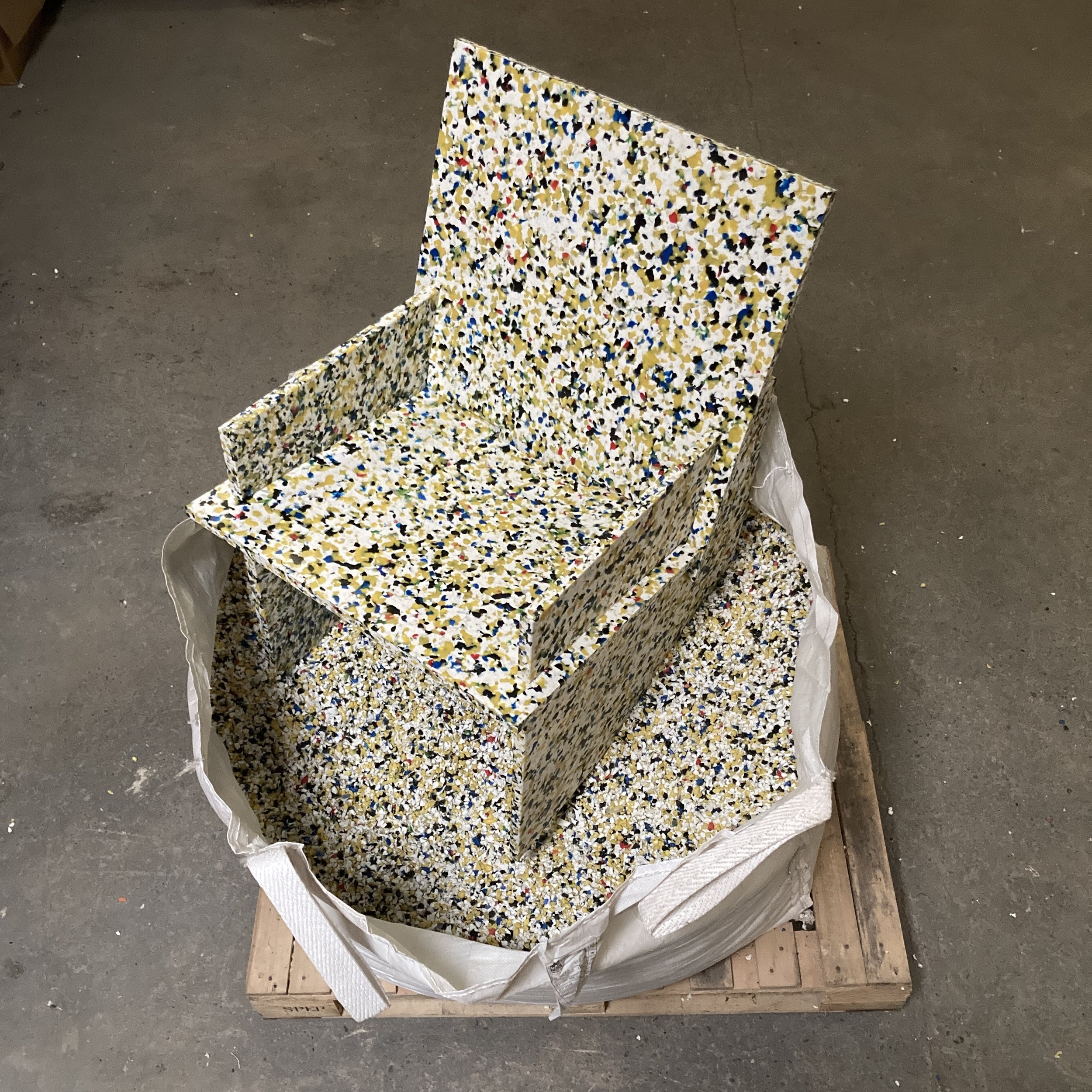
Importantly, there is an economically sustainable approach. New ideas aren’t just conceived as one-off experiments, instead they build the knowledge and experience required to create viable commercial opportunities. In this spirit we were commissioned to work with the initial, terrazzo-style production run from Future Makers’ industrial sheet press, to create some simple-to-build furniture pieces.

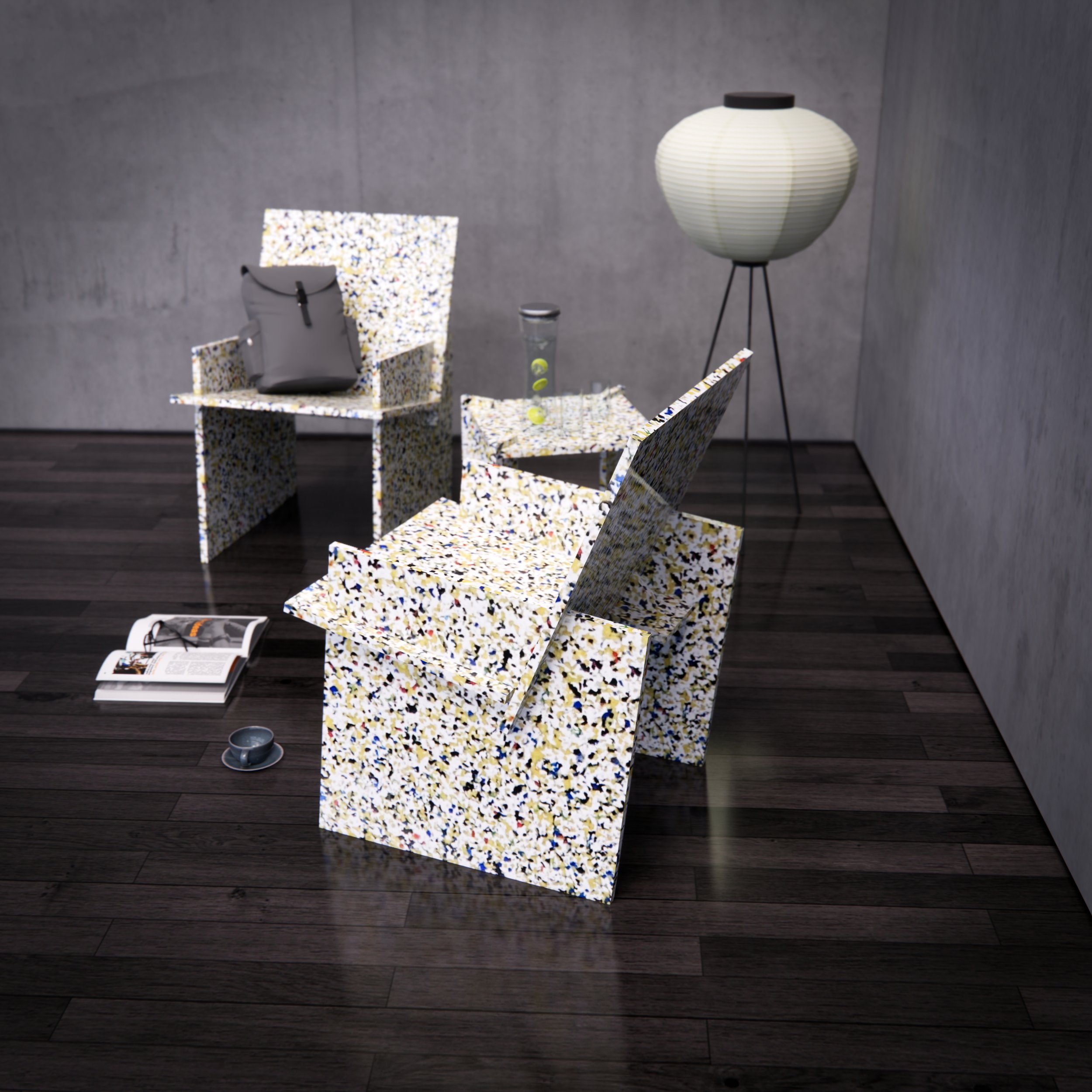
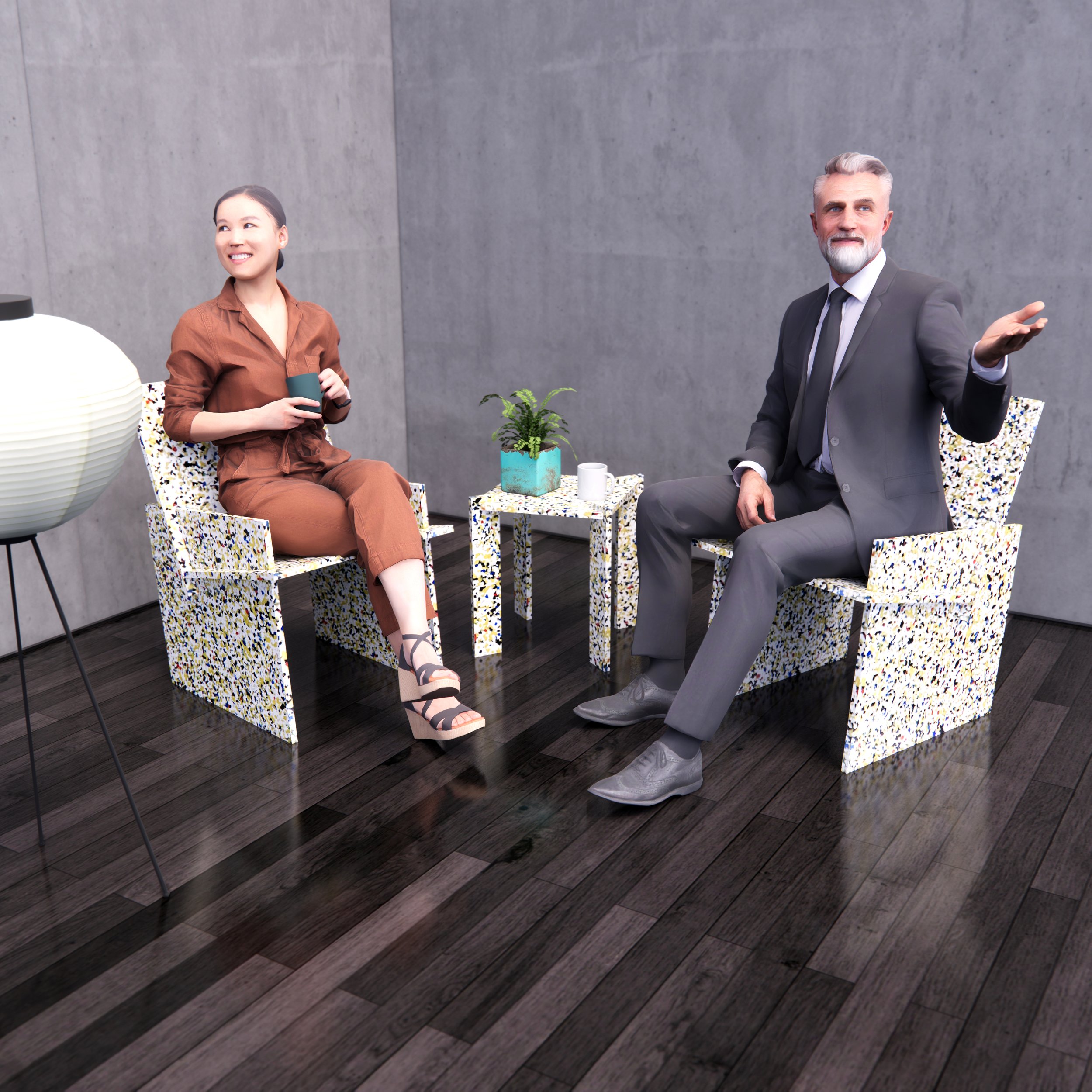
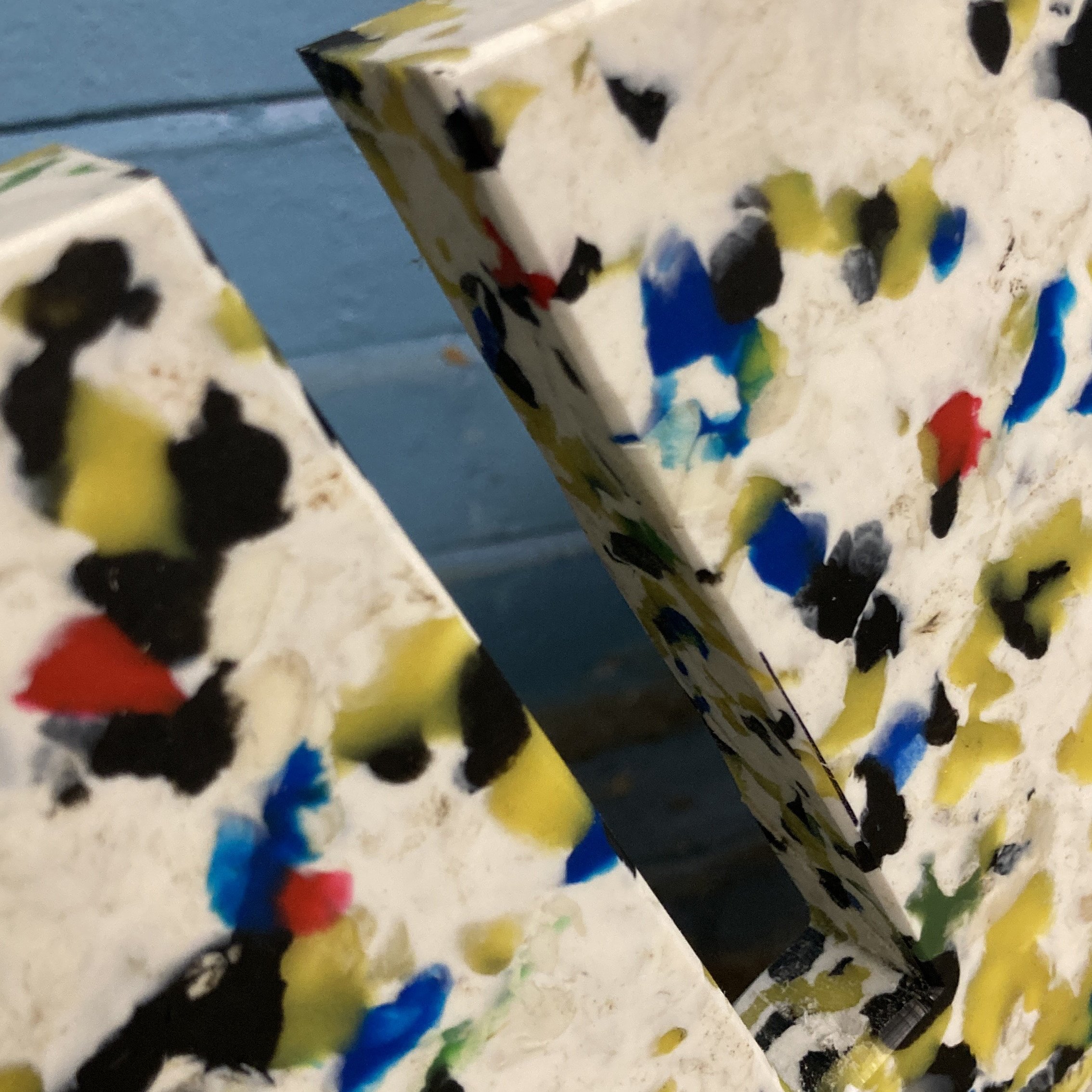
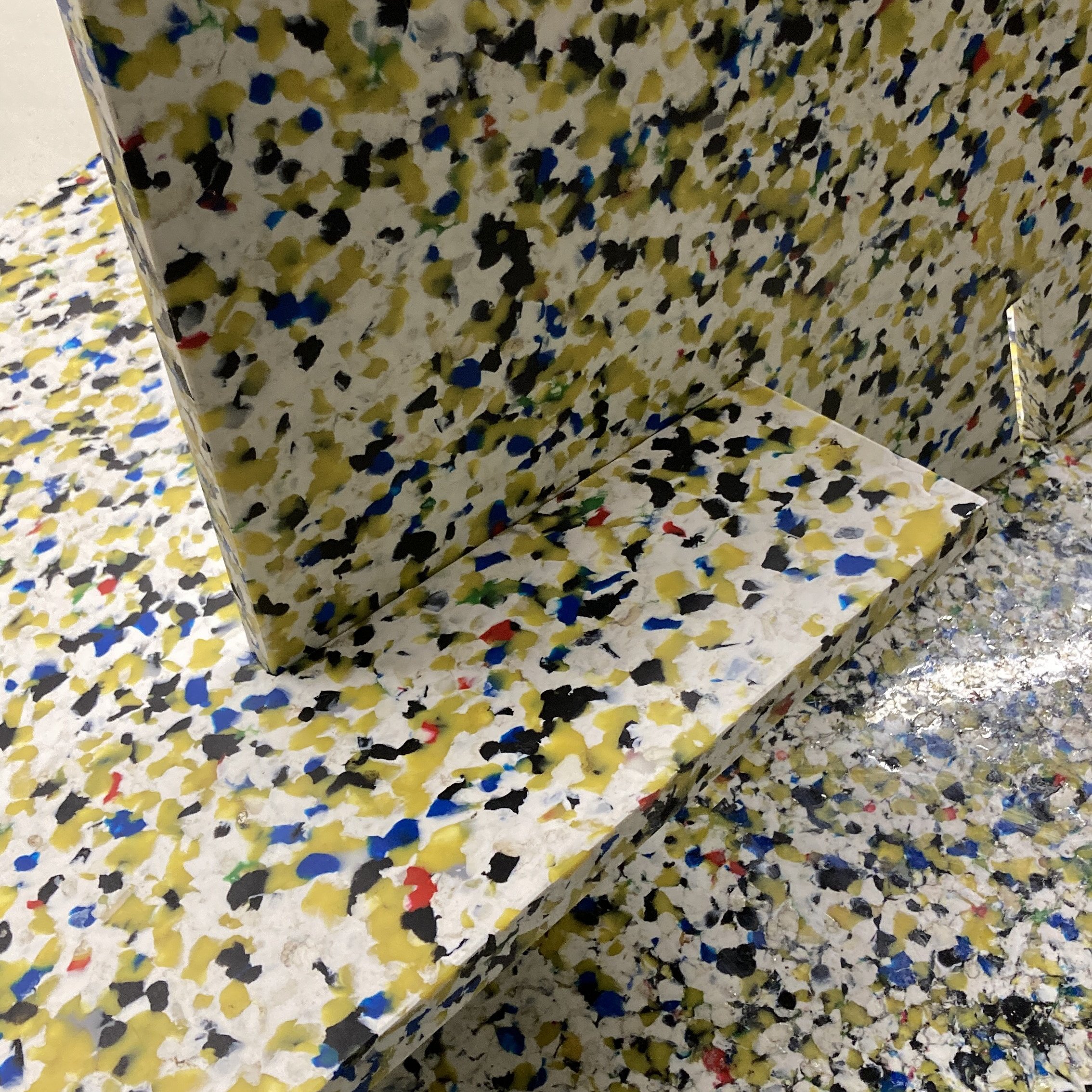
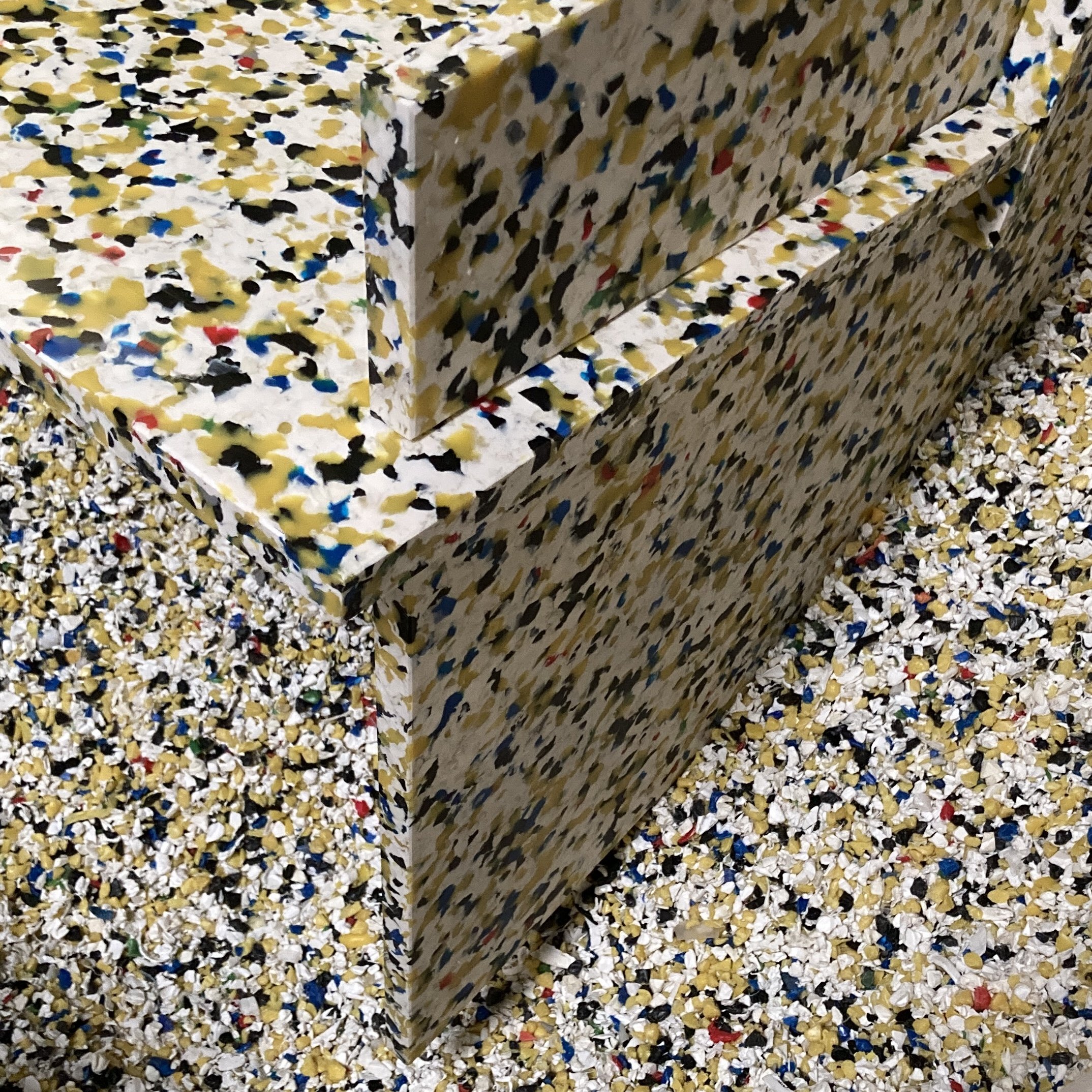
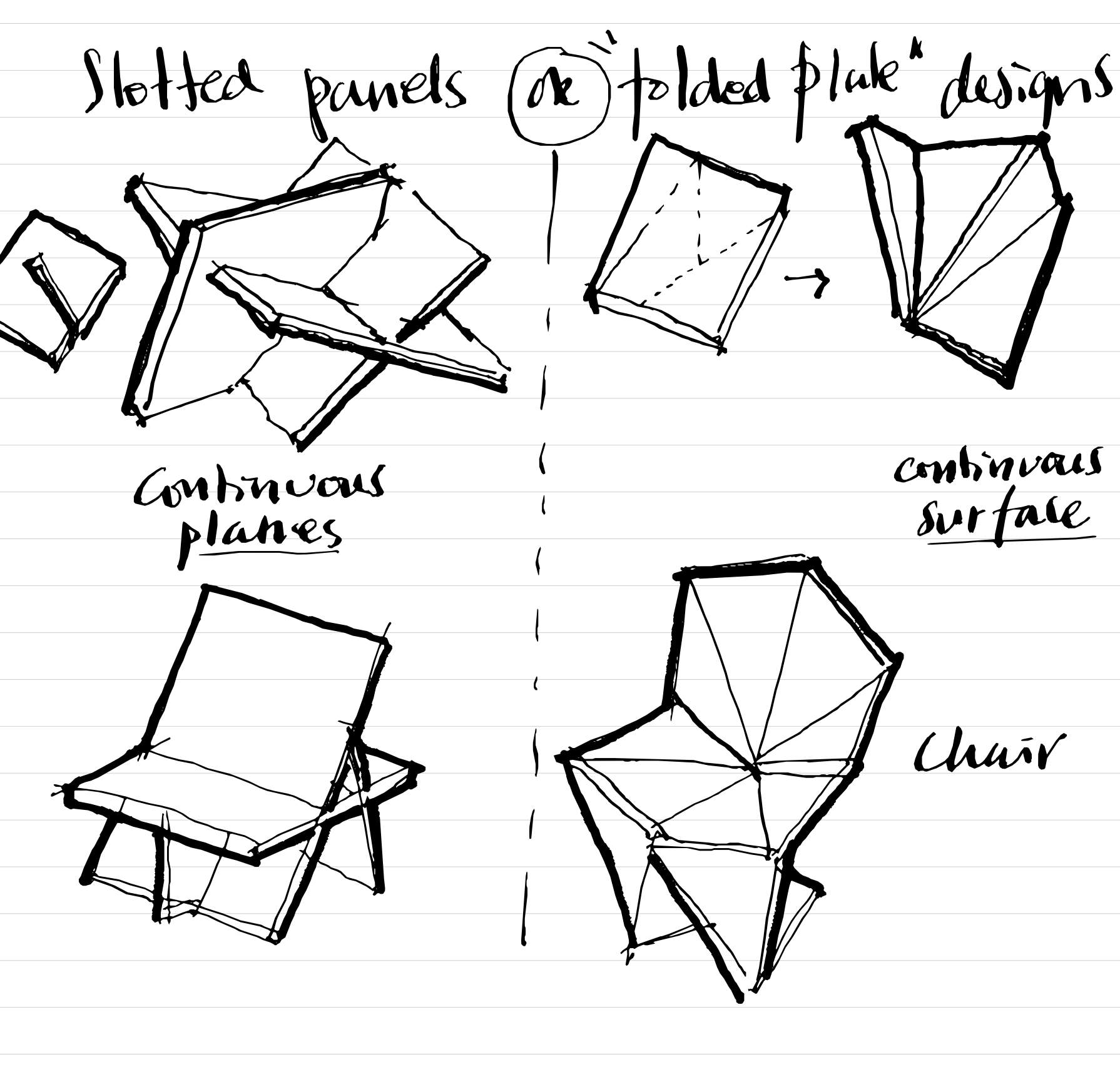
Using the HDPE sheets, made with waste left over from artist Joshua Sofia’s 2001 Regulated Exhibition at Backlit, and in collaboration with Marcus Rowlands (Sheltered Spaces), we designed a slot-together furniture system for an armchair and coffee table. Easy to assemble and disassemble, without fixings or complex brackets, this can be transported to exhibitions and events. As a product, it could be mass produced and shipped, flat-packed to customers. As a single type plastic, it is recyclable again at the end of its useful life as furniture.

In itself not THE solution to the problem, but hopefully another piece of evidence that plastic waste has value. And a thoroughly rewarding project to be involved in!


Samba in the stair

Thibaut Devulder

Following our complete remodel and extension of their cabins in Hvitsten, overlooking the Oslo Fjord, our clients asked us to also fit an extra living space in one of the little annex buildings on the site.

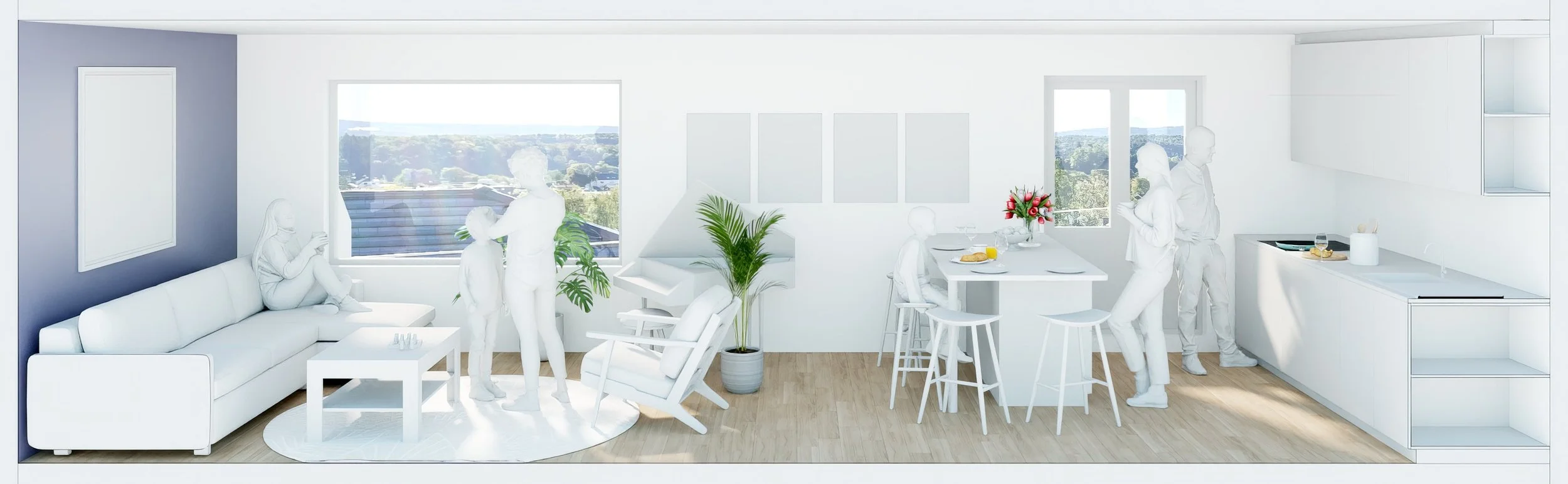
Sections through the proposed tiny annex cabin, showing the “samba” stair to the sleeping space above

The tiny cabin that we designed accommodates a play space for the children during daytime, a small workstation, sleeping space for two adults and two children, as well as a small terrace for summer breakfast overlooking the fjord. To reach the private sleeping space tucked up over the small living-room, we custom-designed a compact alternating tread stair, called sambatrapp (“samba stair”) in Norwegian, which also doubled as a bookshelves for the desk underneath.

We love working on self-build projects and custom-made furniture, so we were thrilled when our client announced that he wanted to build the stair himself. As with our custom-made screen wall in the main cabin, we developed in collaboration with him alternative designs for the stairs, adjusting the design to joinery techniques he mastered, to produce a full cut-and-assembly manual to build the stairs.

Assembly manual for custom-designed furniture

Thibaut Devulder

In the summer cabin we redesigned on the Oslo fjord, we articulated the main living space with an open screen that had to perform many functions: create a light visual separation within the open plan space, provide storage for outdoor clothing and shoes for up to ten guests, integrate a large TV and offer seating in front of the new wood stove.

We finalised the design of this custom-made furniture as the project was already on site and decided to build it out the same oak bench plates used for the new kitchen. We created detailed instructions for the builder about how to make and assemble this large piece of furniture. Our instructions even included the detailed cutting patterns to minimise waste from the standard benchtop boards used to make it!

Workshop visit: Warrington & Rose

Tom Hughes

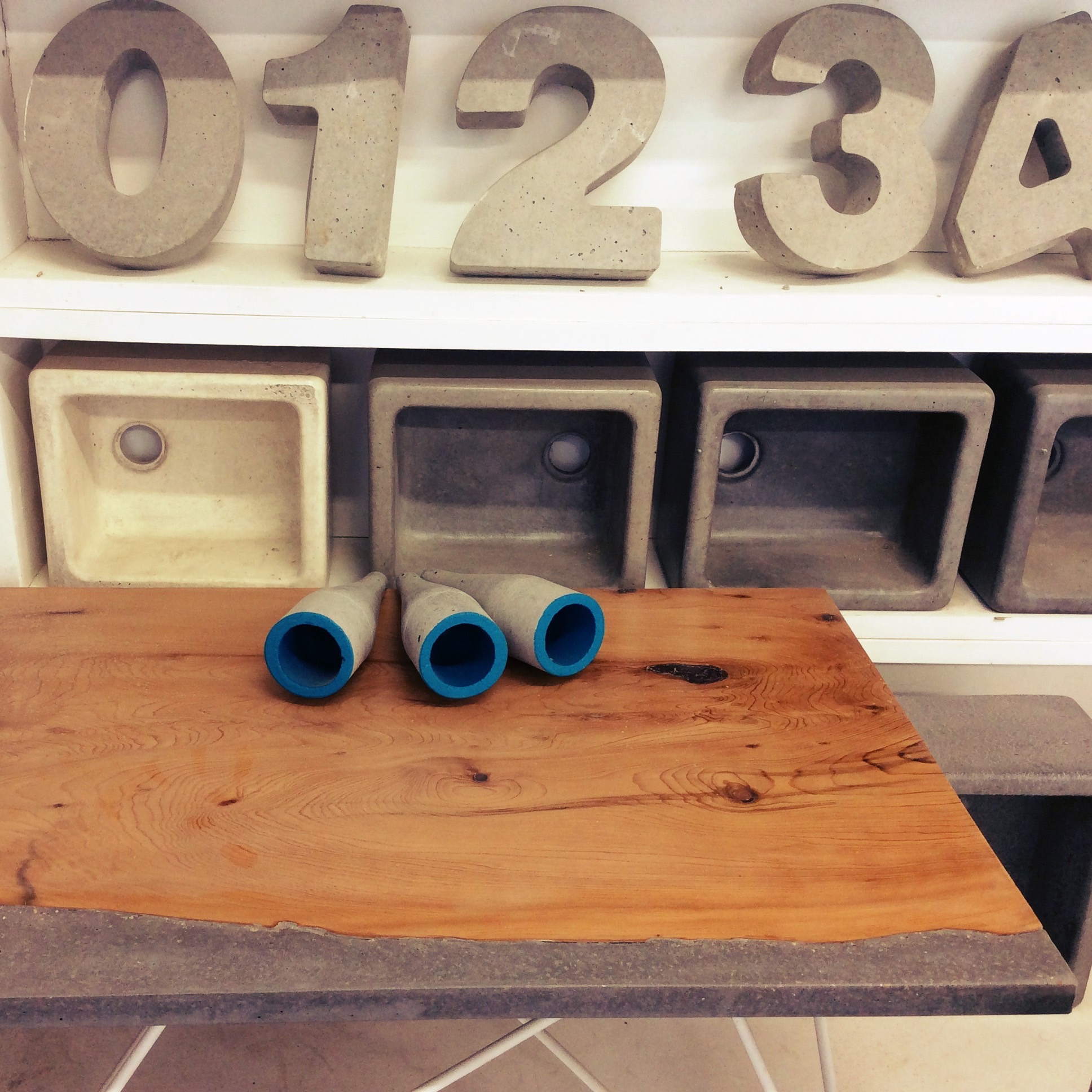
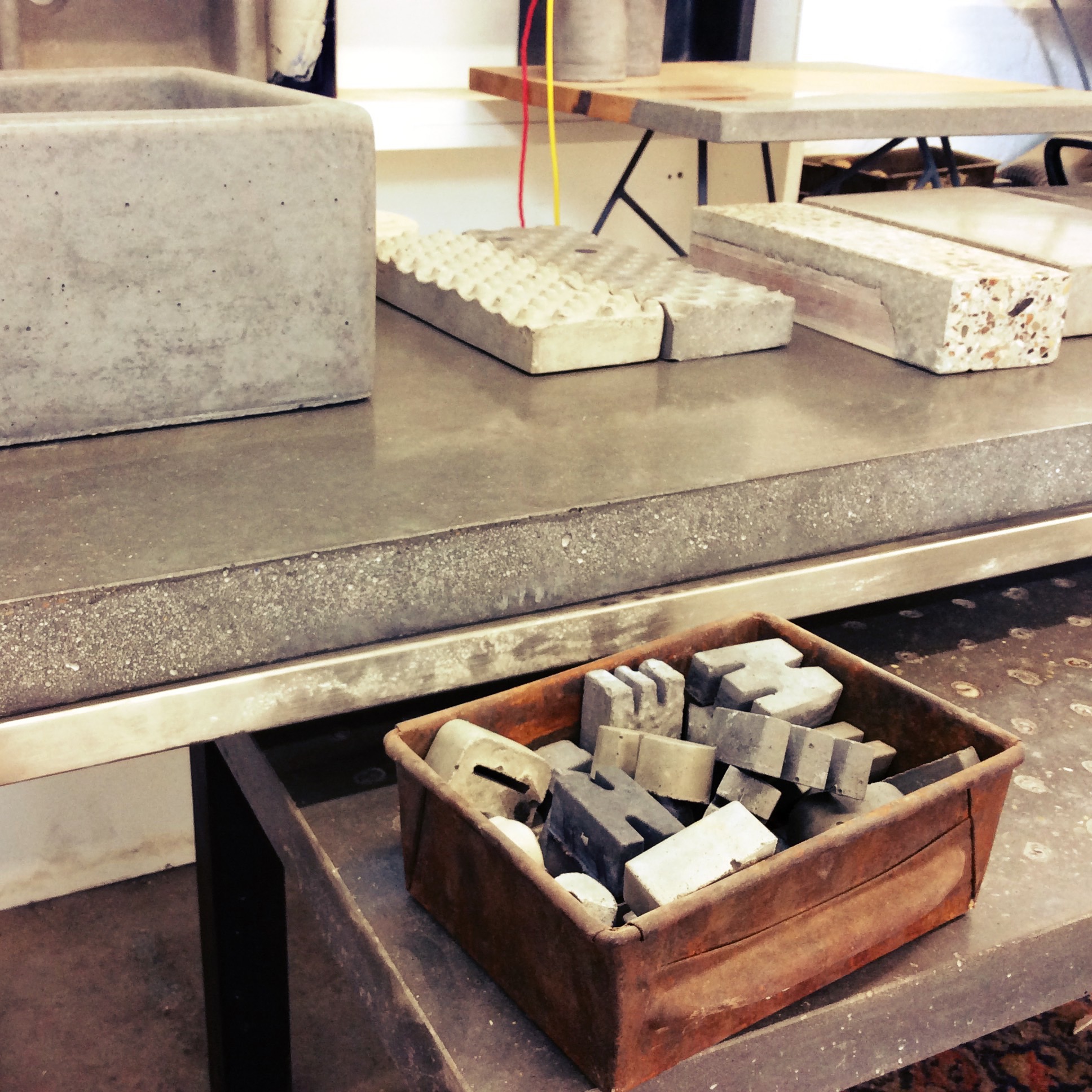
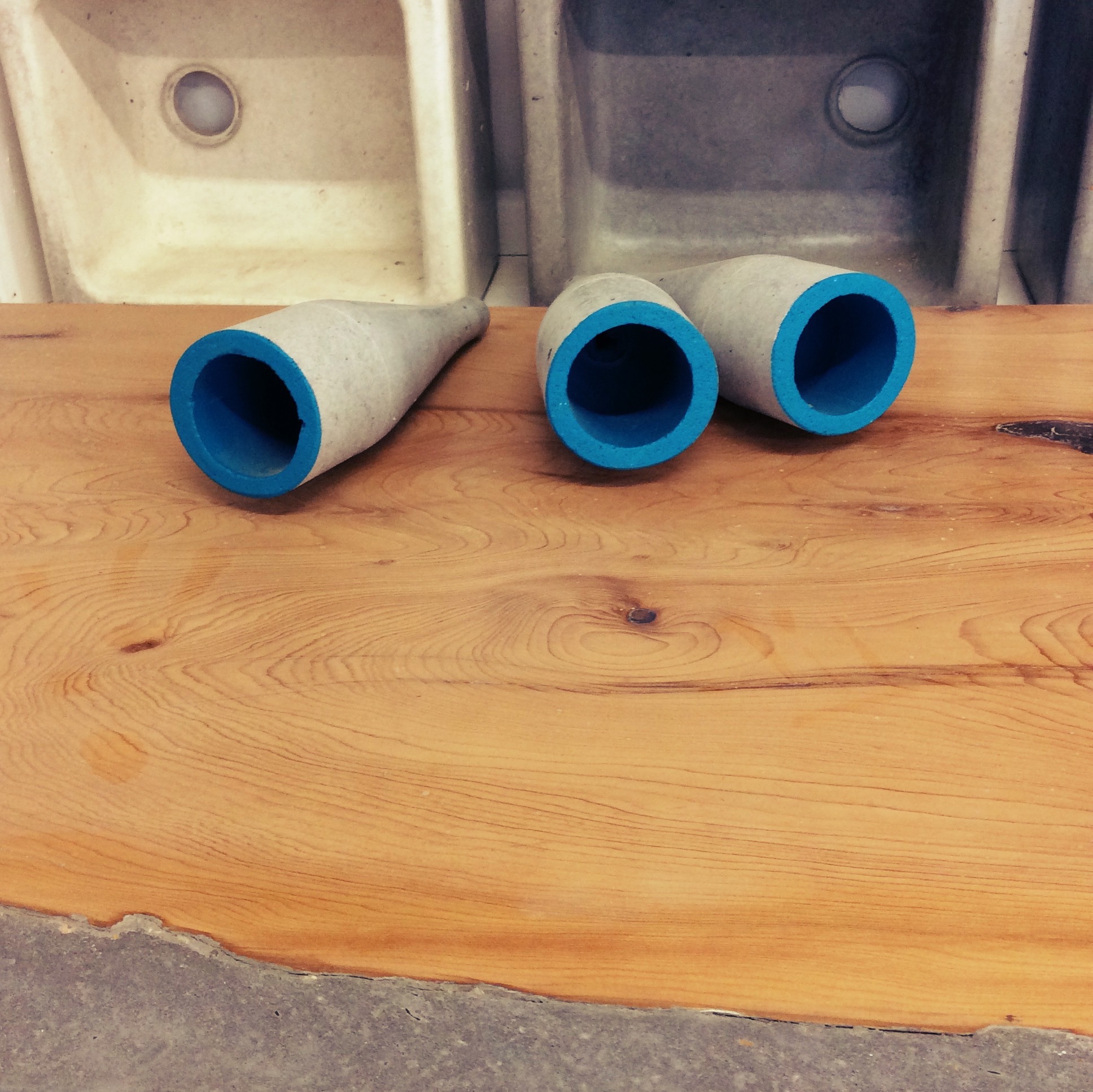
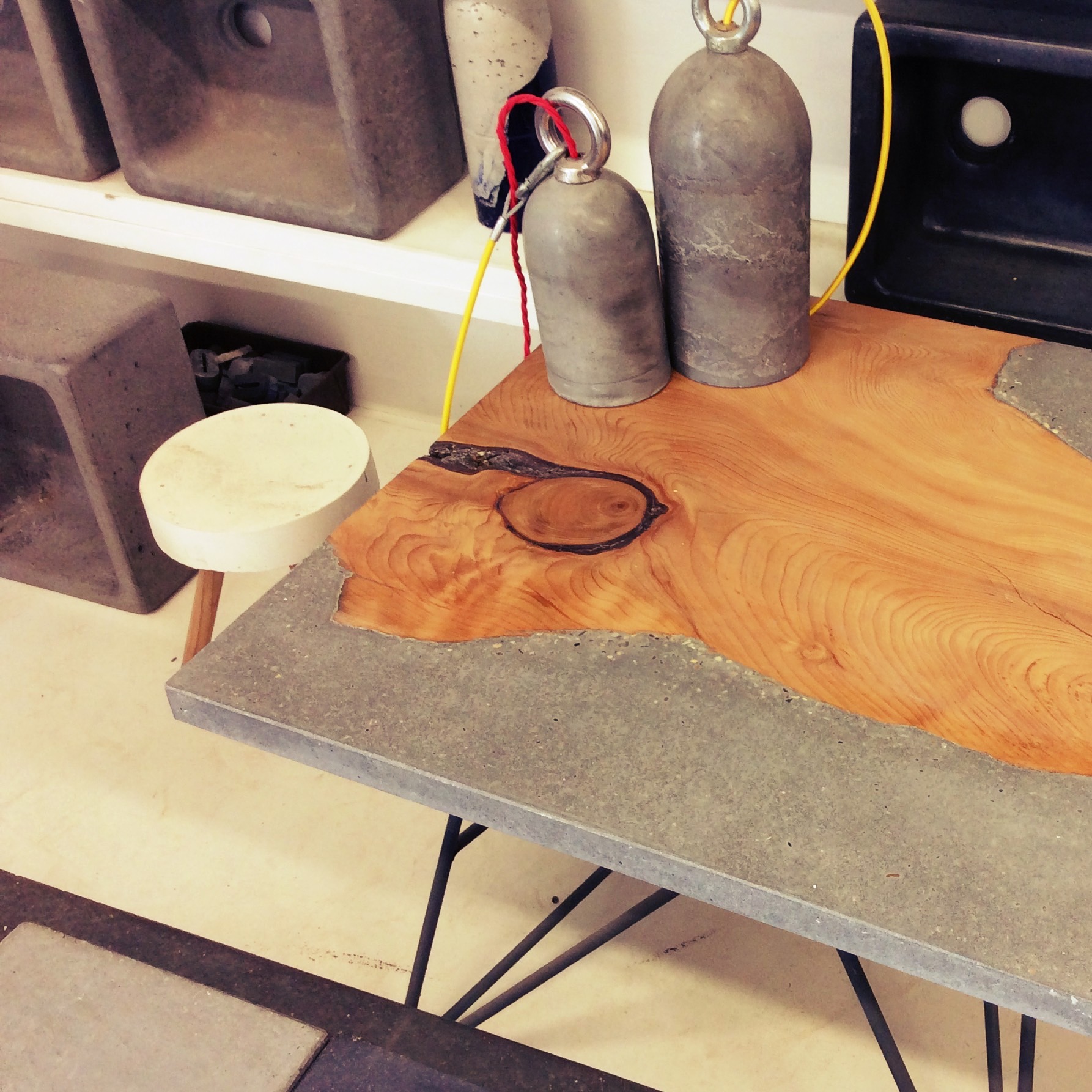
Looking at potential suppliers of concrete worktops for a fit out project recently, I contacted Warrington & Rose. Locally based and with some really interesting pieces on their website, including an intriguing experimental piece with cinnamon sticks cast in to a concrete table top. 

I had a good chat with Michael Thorpe, who turned out to be an ex-student of mine from Nottingham Trent University who set the company up after graduating and a few years working in the industry.

Great to see a former student creating some quality products, taking experimental risks and branching out as an entrepreneur!


Storgata interiors

Thibaut Devulder

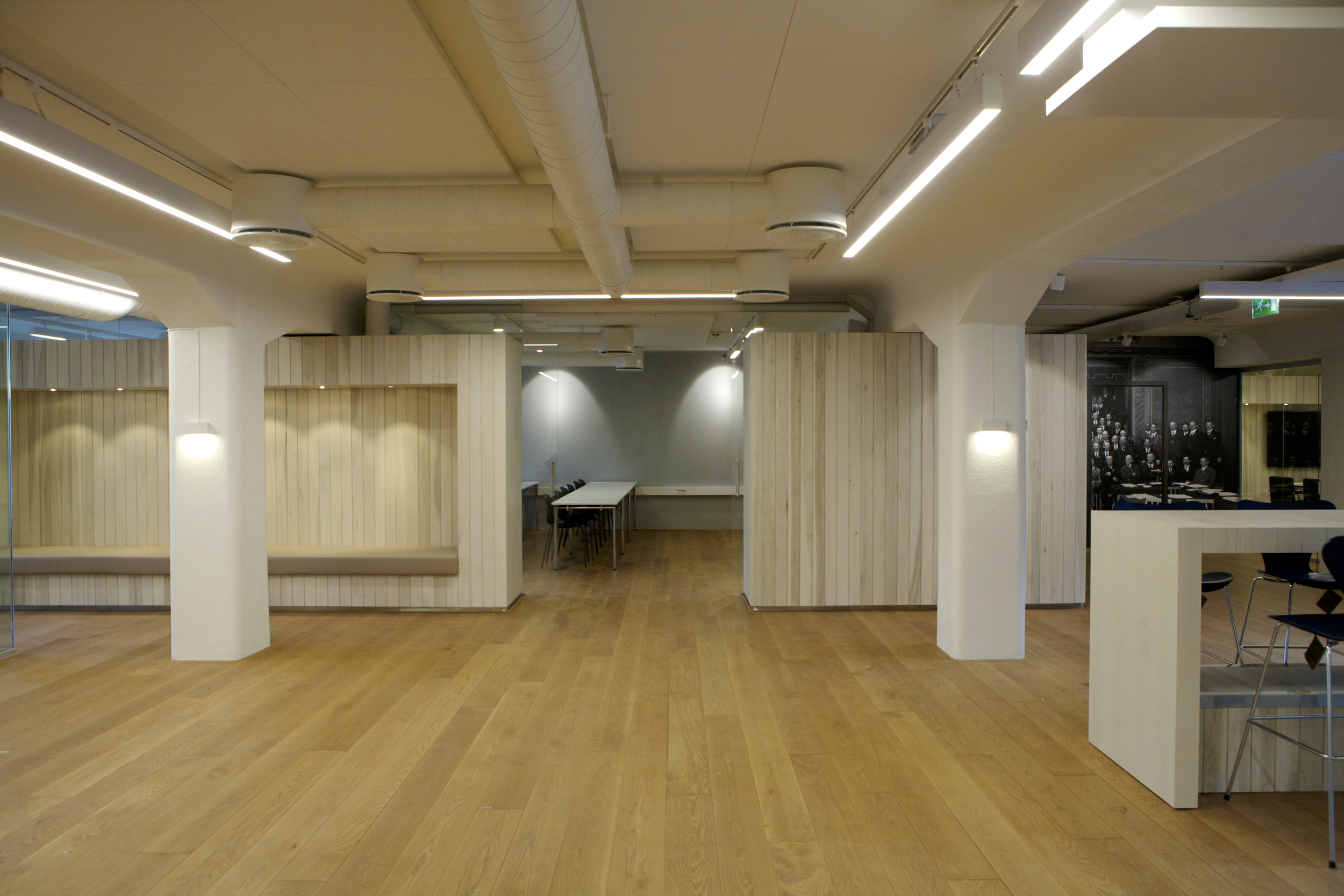
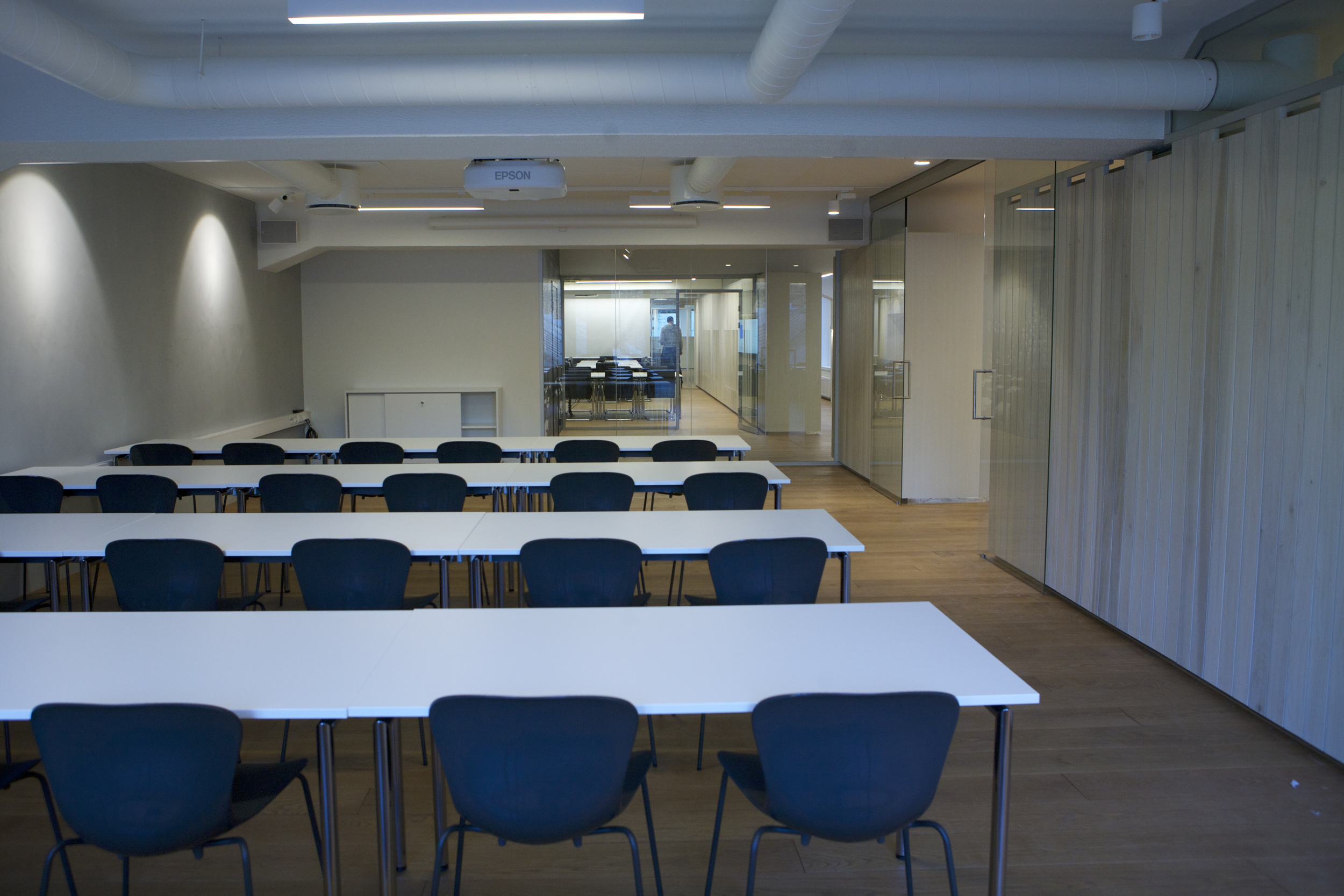
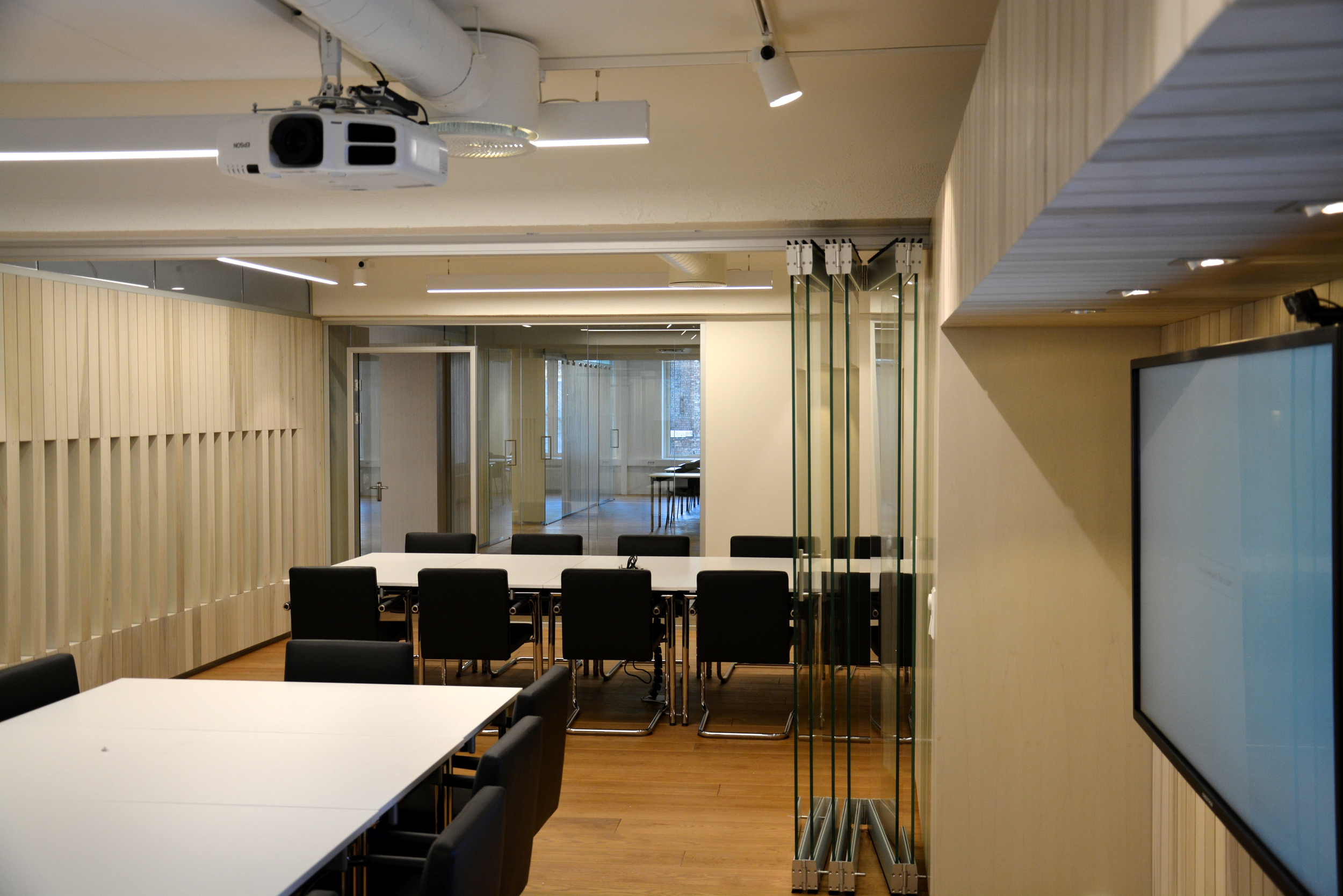
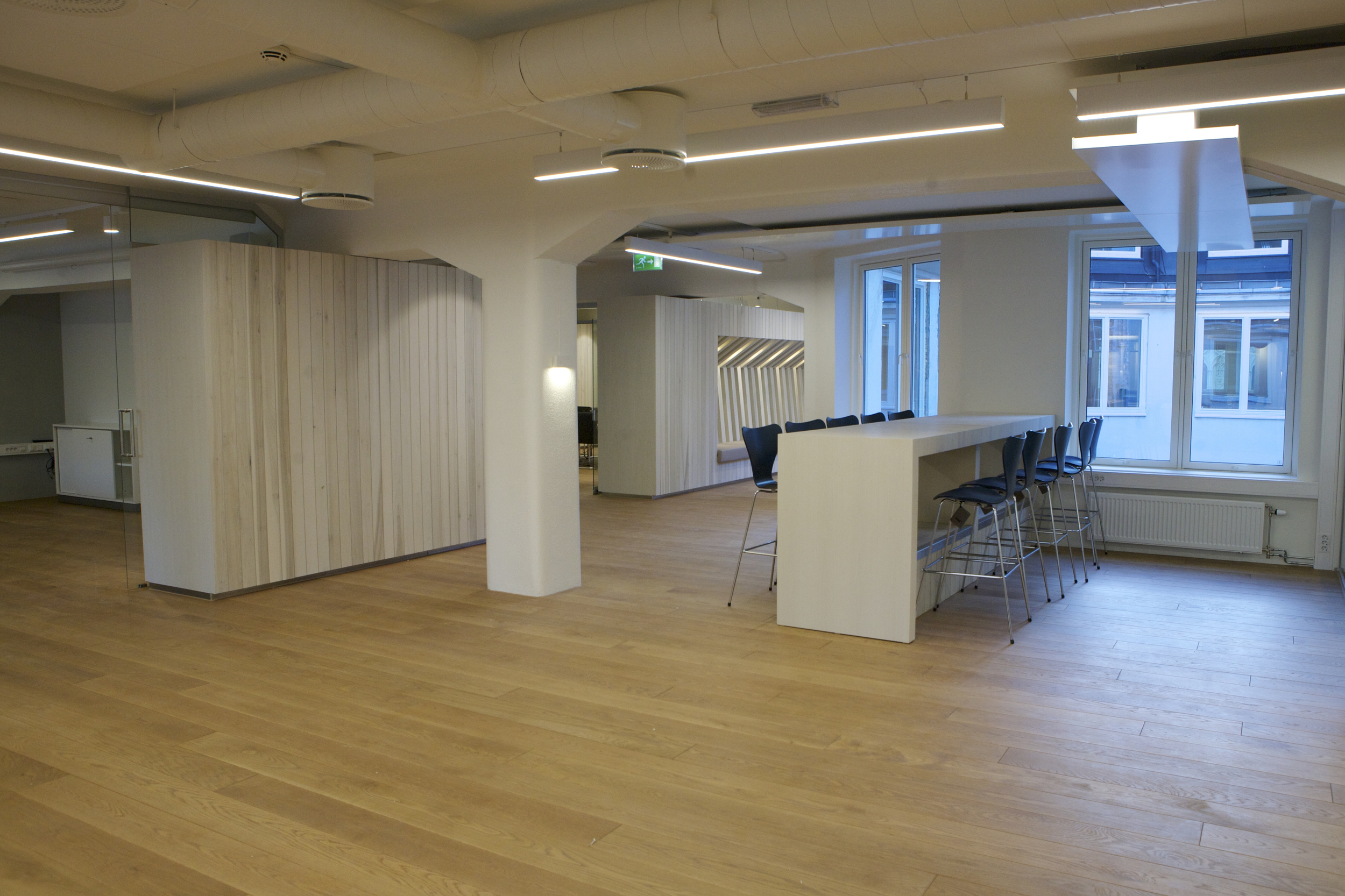
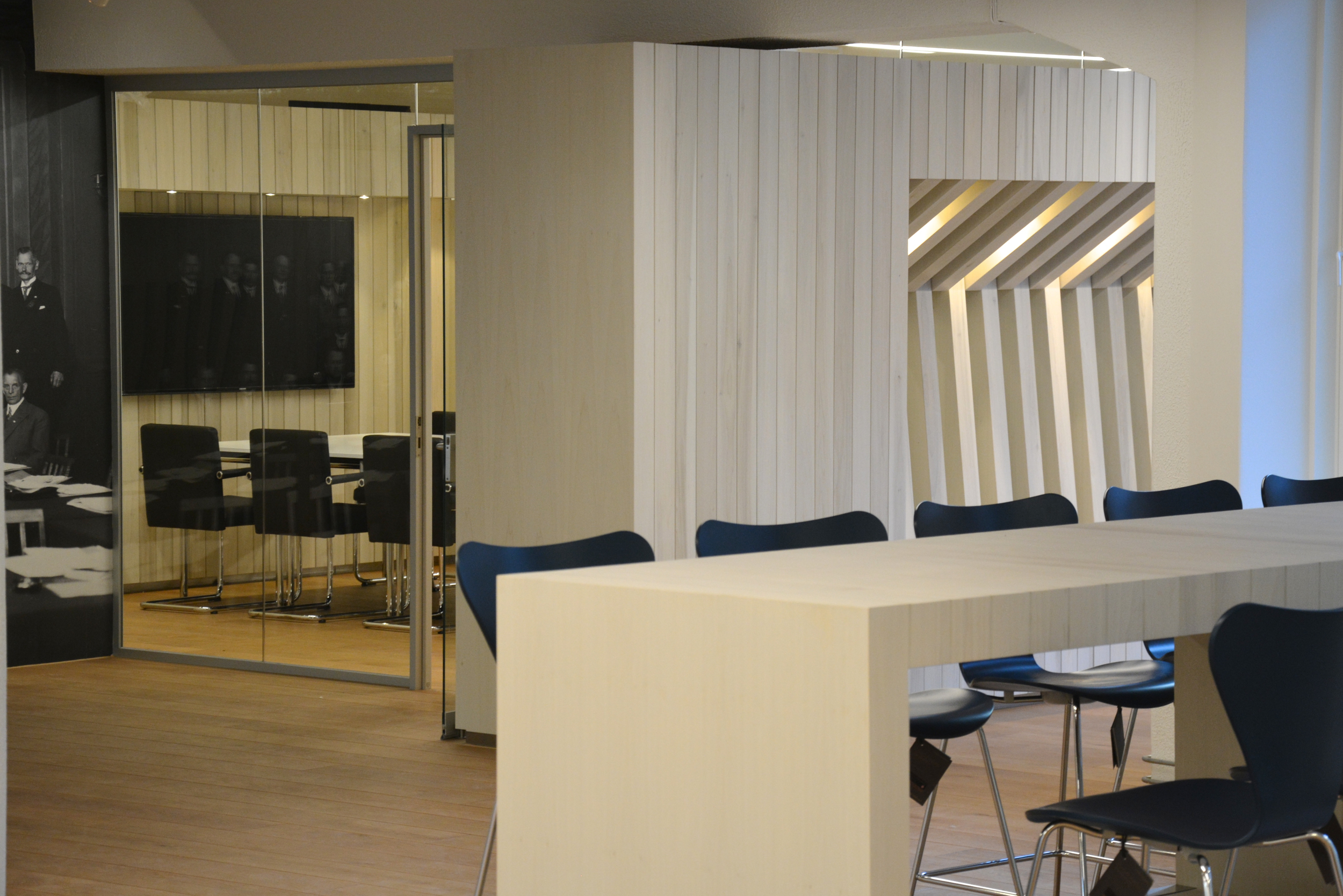
As part of their remodelling and refurbishment of a large office building in downtown Oslo into the new Olympiagården project, Various Architects — with whom we are sharing an office — invited us to work with them on the detailed design of interior furniture for their design of the future Lederne Headquarters.

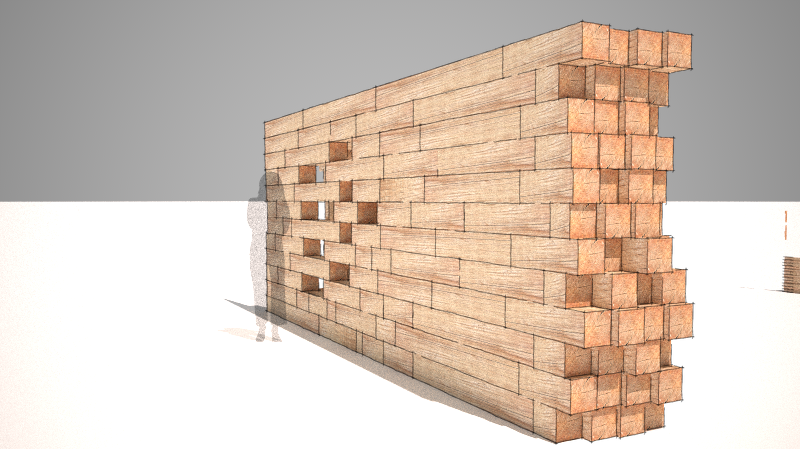
Concept development for stacked wood partitions

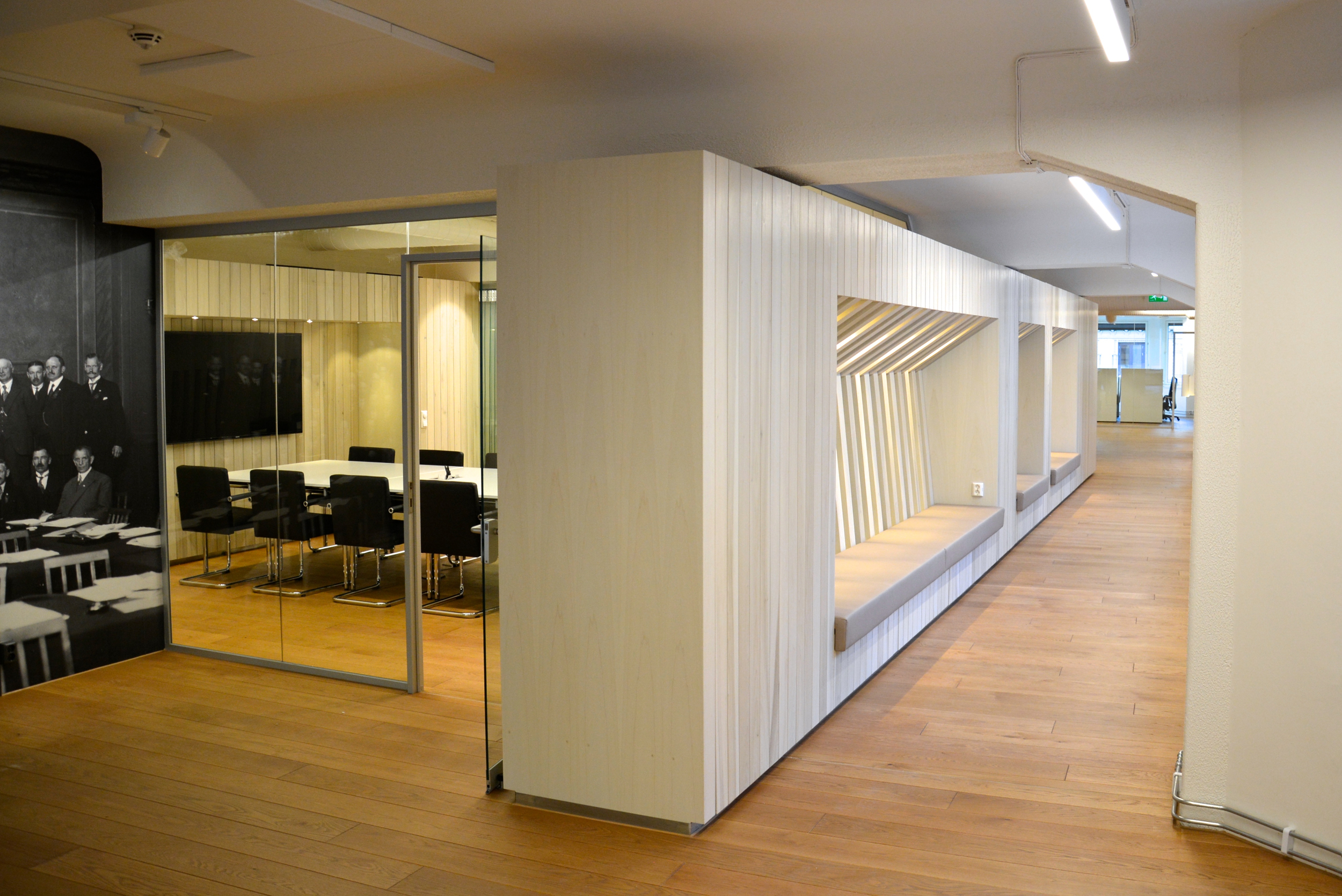
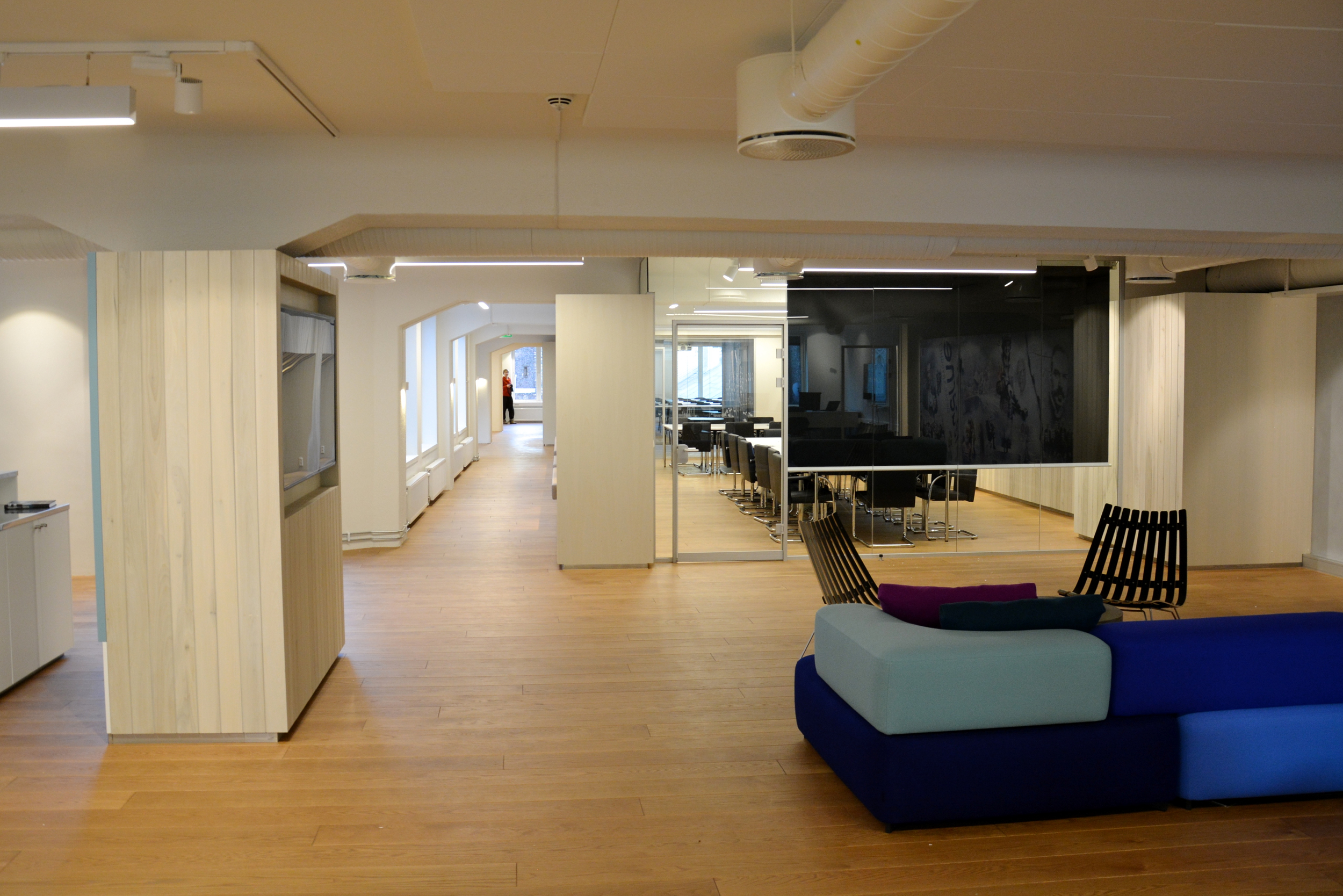
Various Architects' design included a series of large timber partitions that would integrate seating, services and storage. Articulating the new refurbished office space in a playful and subtle manner, these interior elements were to create a unifying visual and functional concept for the large open plan office.

Their design and positioning were to weave social spaces to create spots for impromptu social interactions, but also help subtly define more private areas for focused work and conceal the services and air conditionning system. Other furniture such as the reception desk and work spaces, were also to be custom-made in a similar fashion.

Image © Various Architects

Image © Various Architects

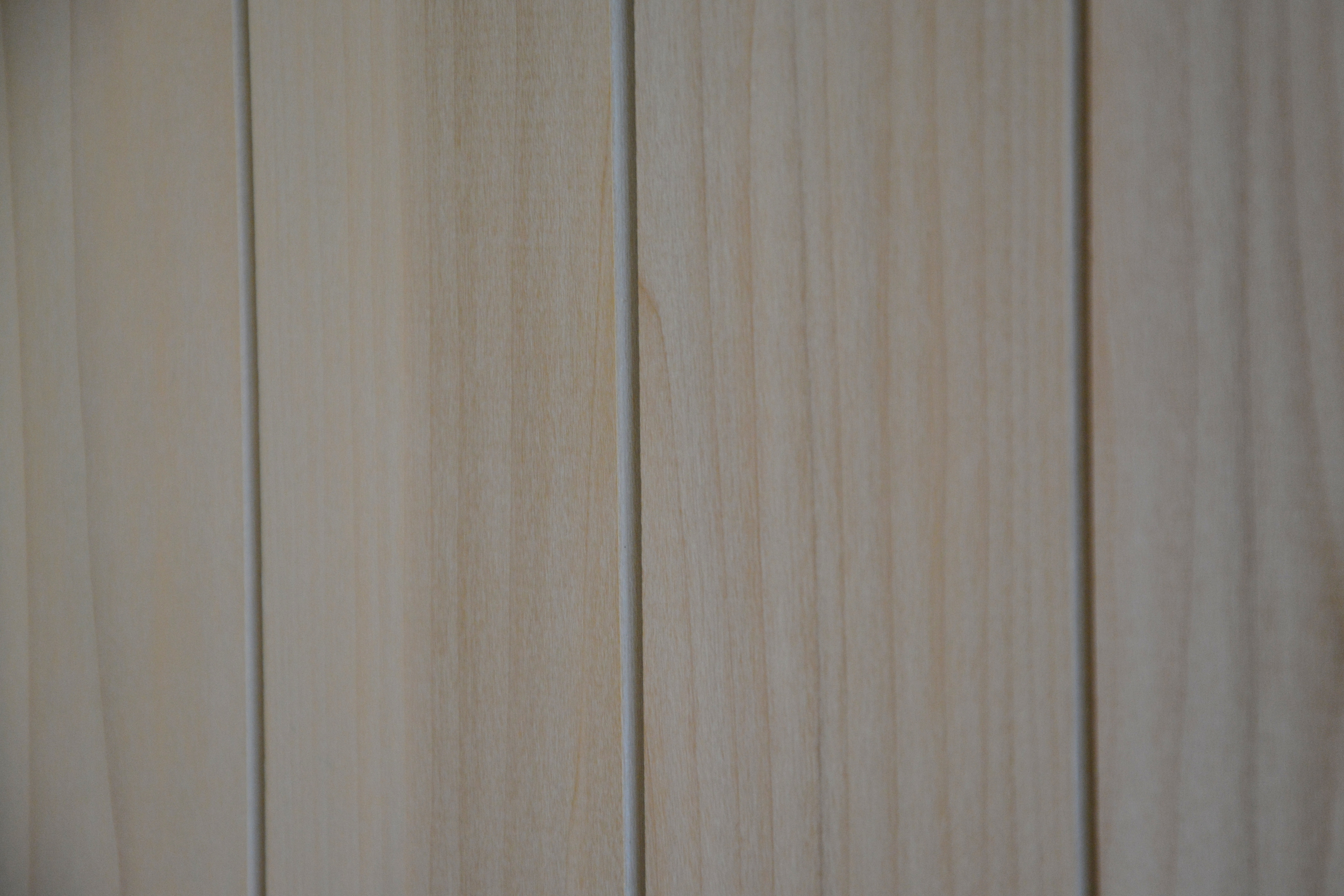
Based on their brief we developed a series of design concepts playing on the idea of the massiveness of stacked timber elements, with their textures contrasting with the existing concrete structure of the building. These concepts were developed with Various Architects, in consultation with a number of joinery companies specialised in custom-made office fittings, that gave us feedback during the design stage, to make sure that budget and technical constraints would be met.

We then finalised the detailed design of the timber elements and prepared a series of concept and technical drawings that were incorporated to the tender package for the project.

The refurbishment and fittings of the Lederne Headquarters is now on site. As with our collaboration on the Aalto Campus competition, it has been a pleasure working with Various Architects and we are looking forward to collaborating with them again on exciting projects!