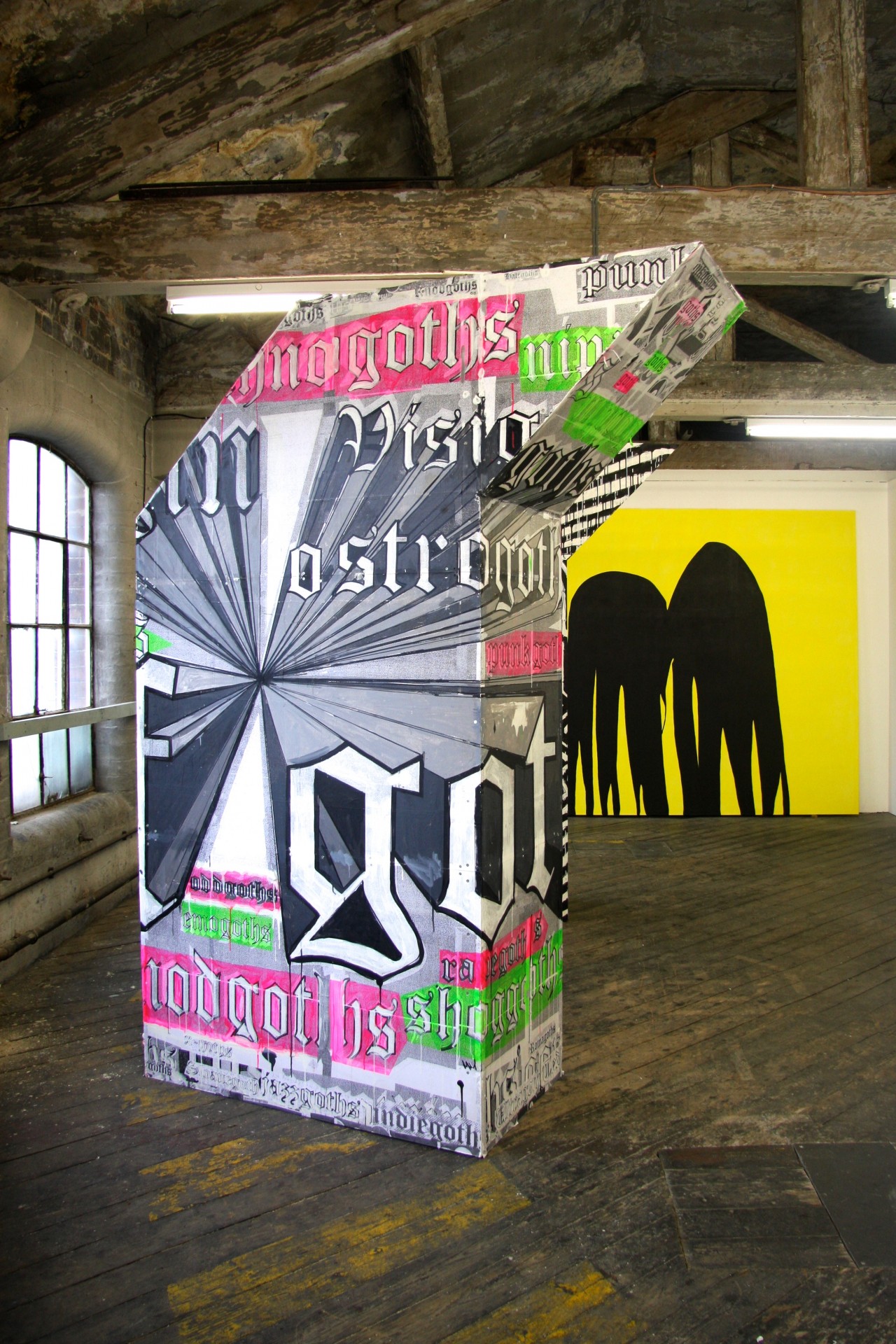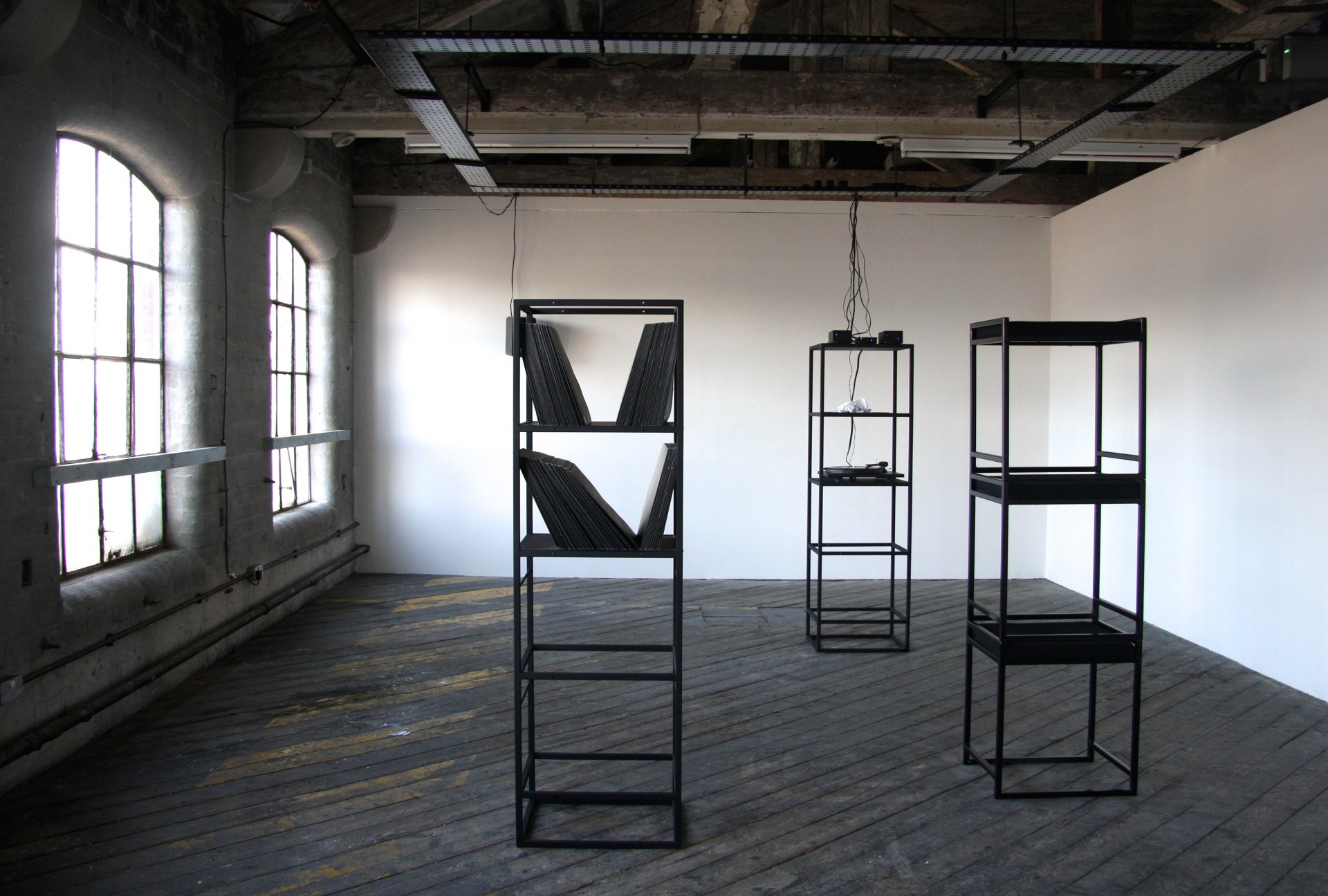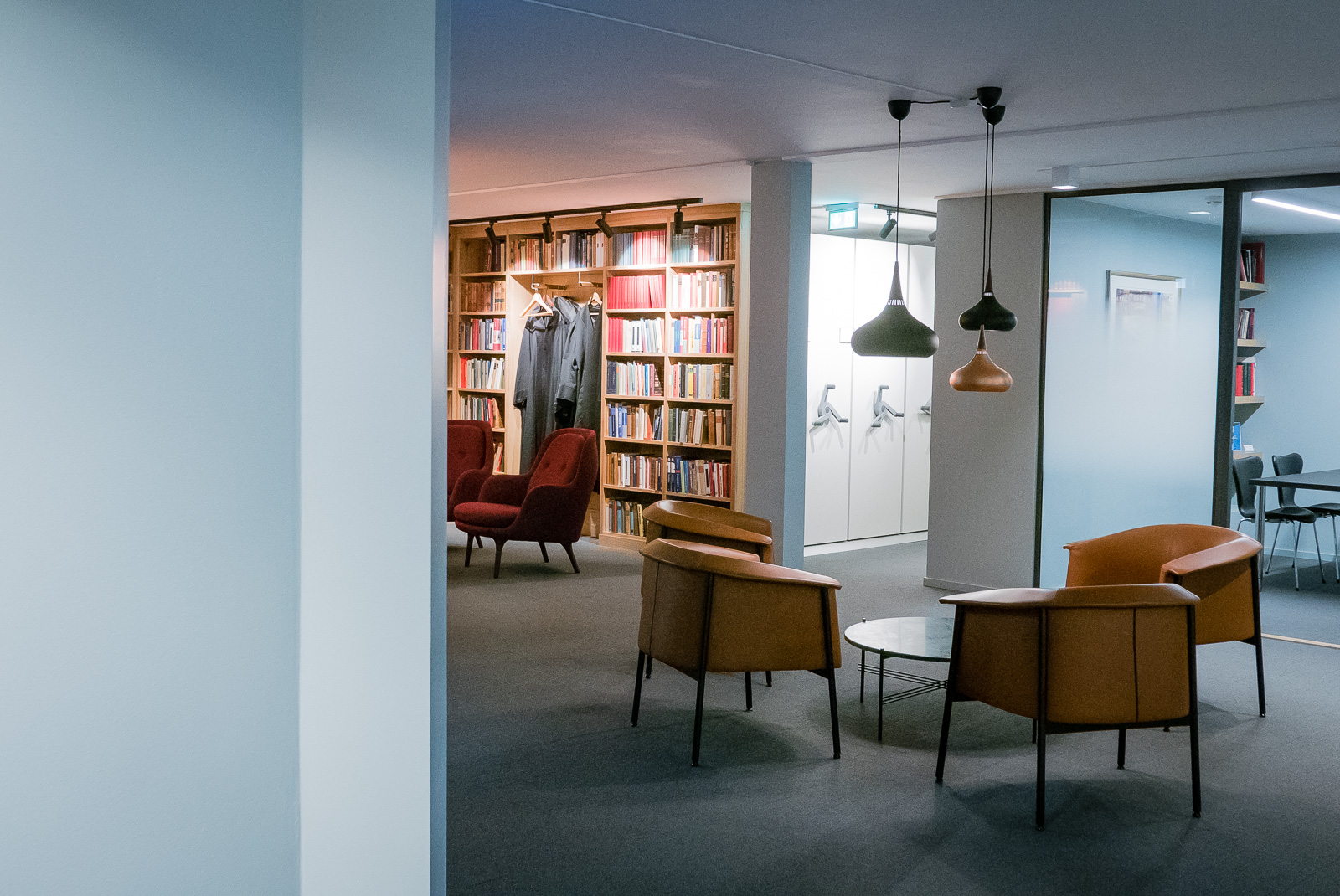

Vinyl furniture ready to install

Thibaut Devulder

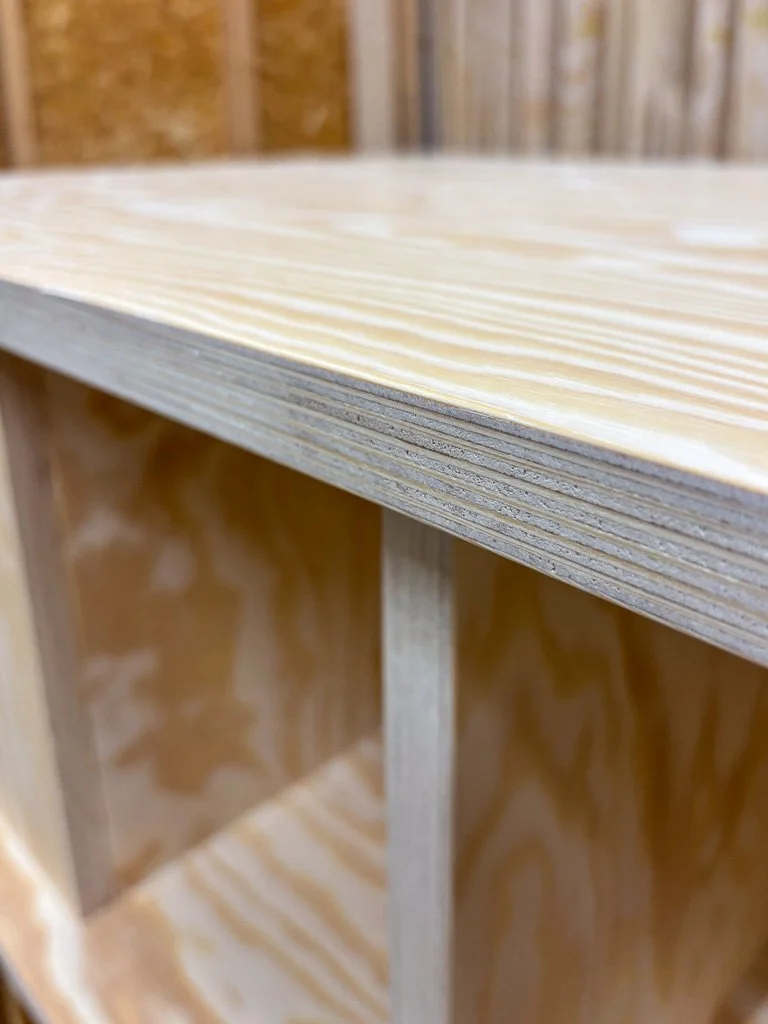
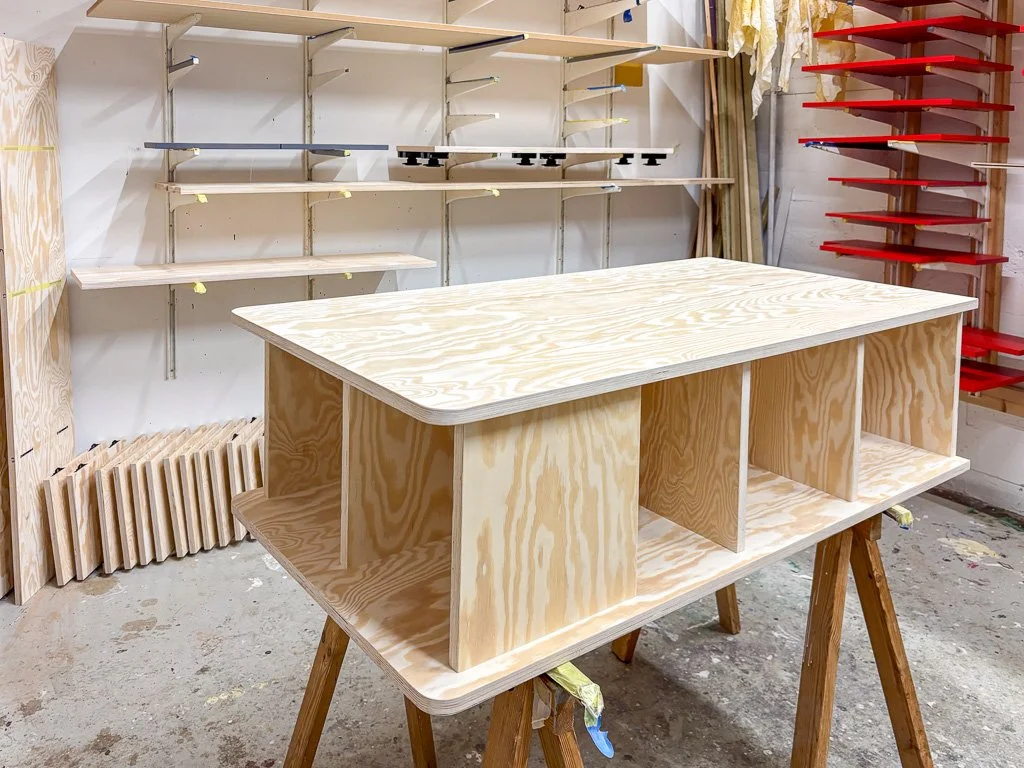
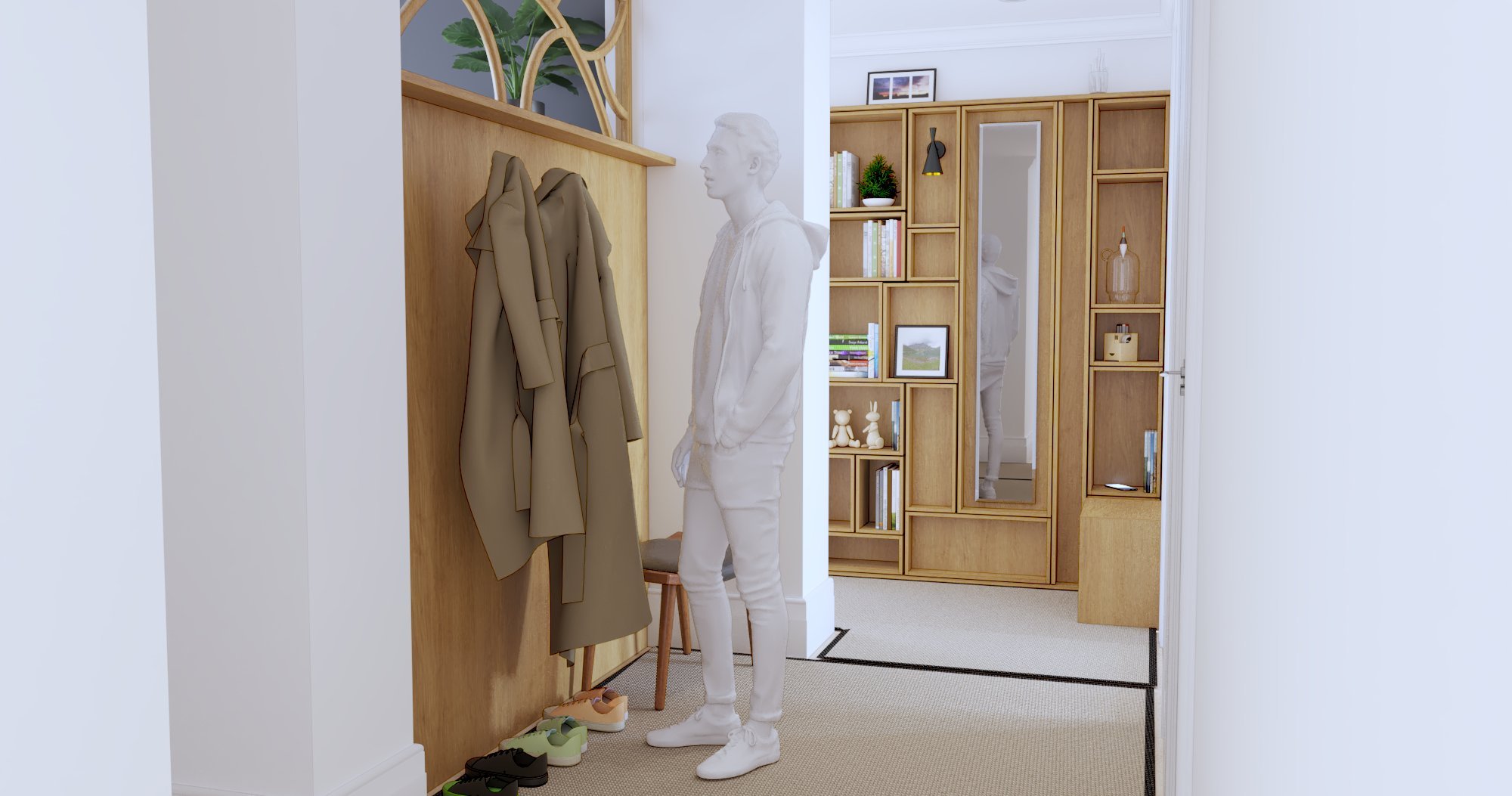
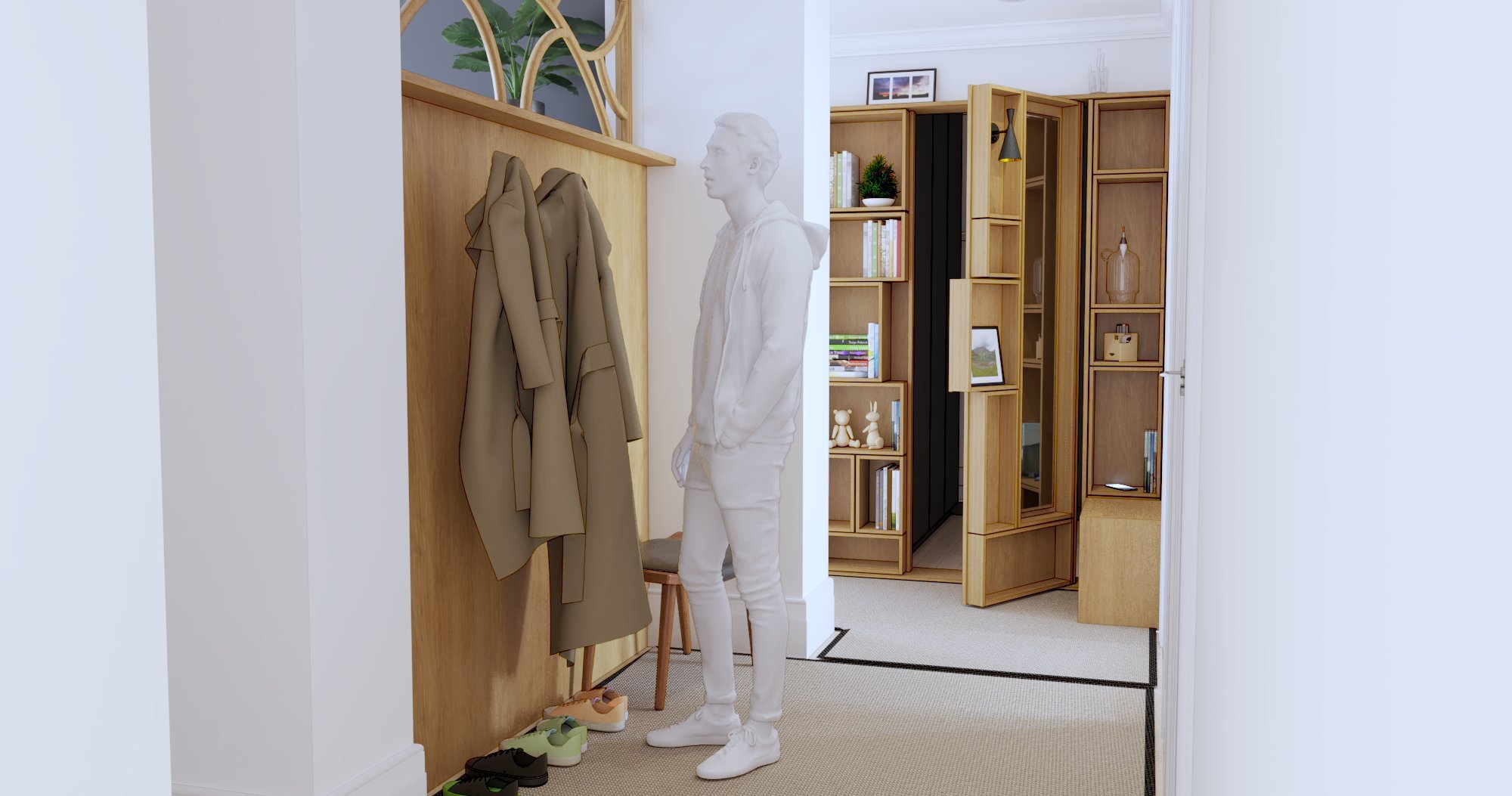
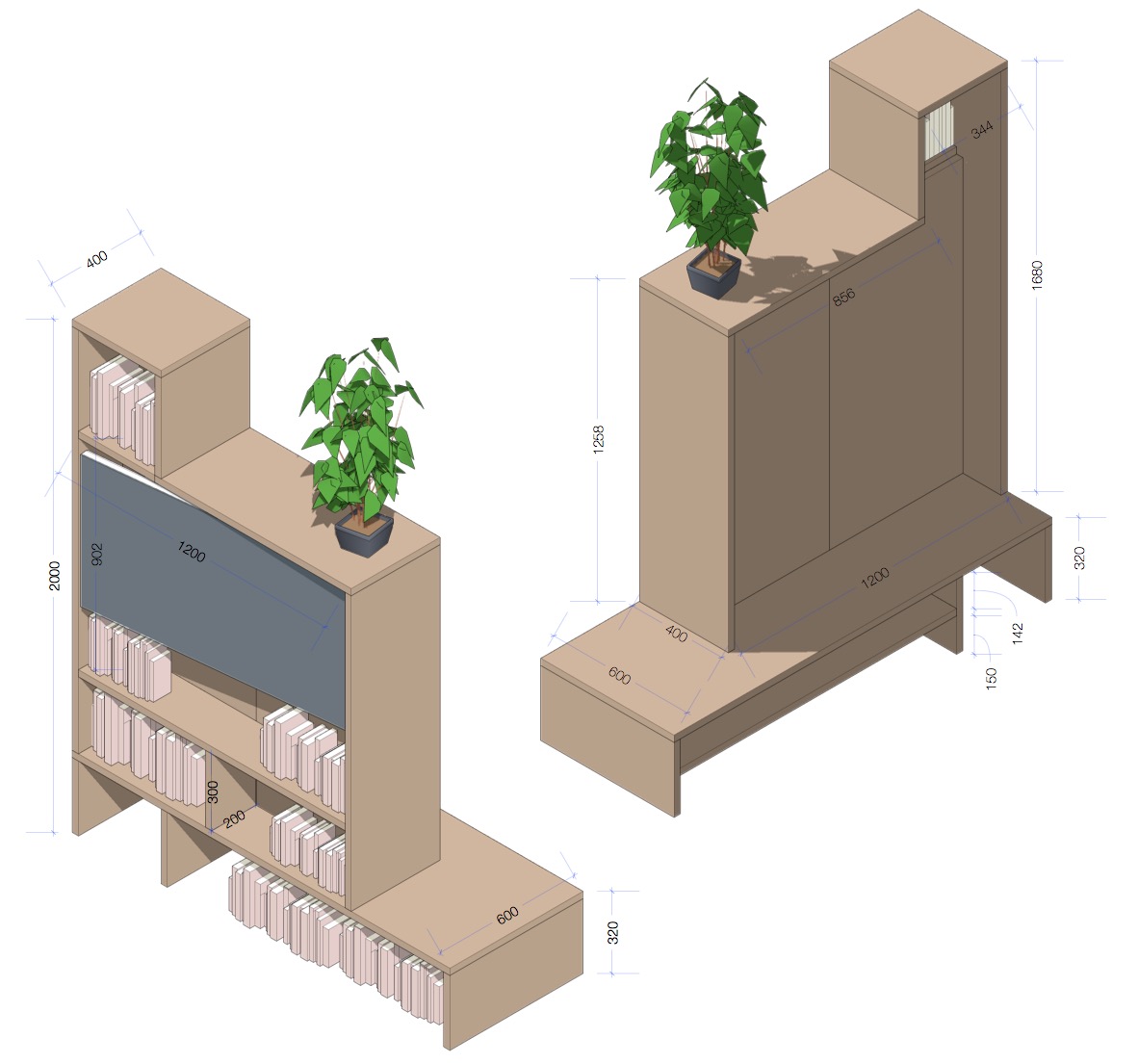
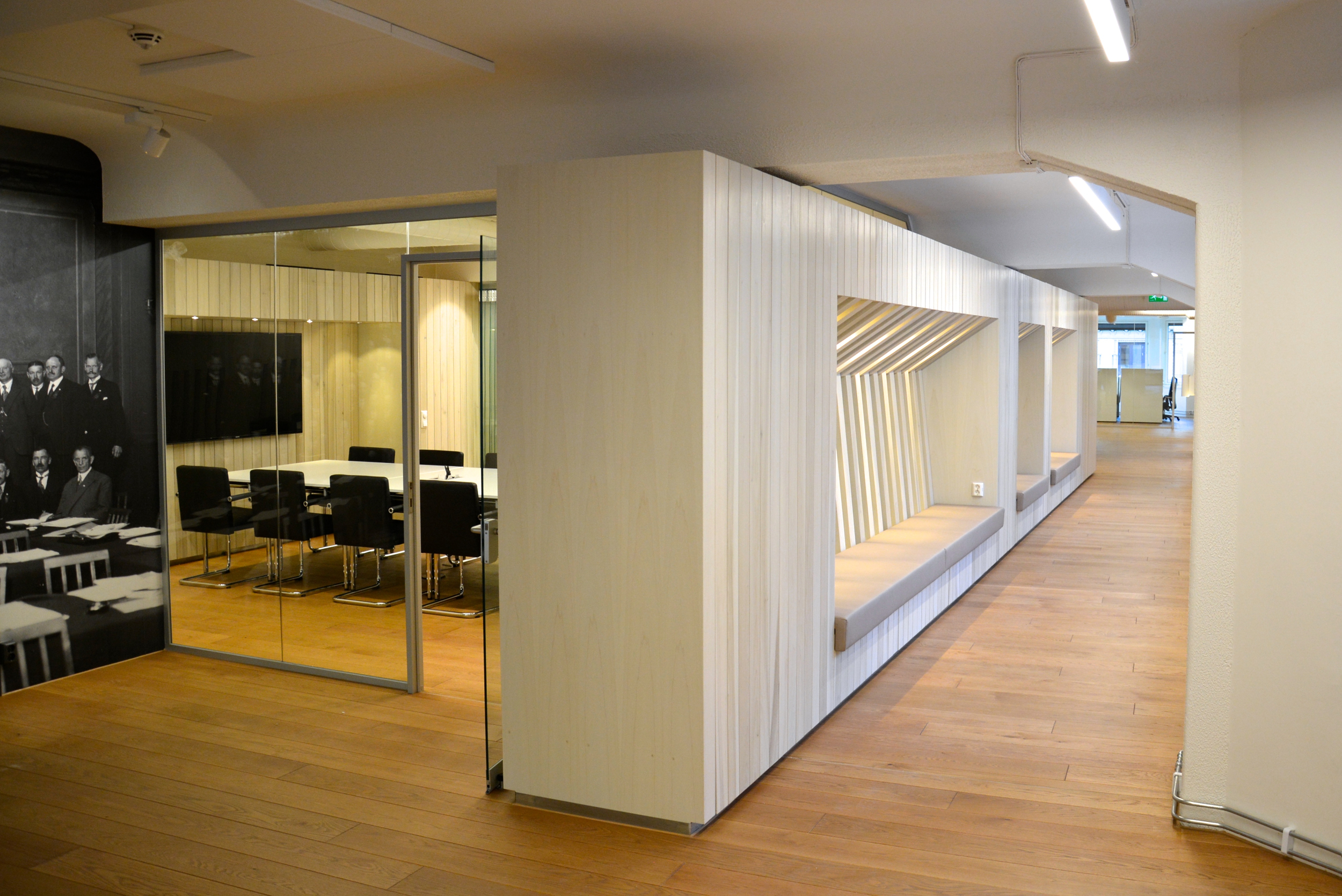
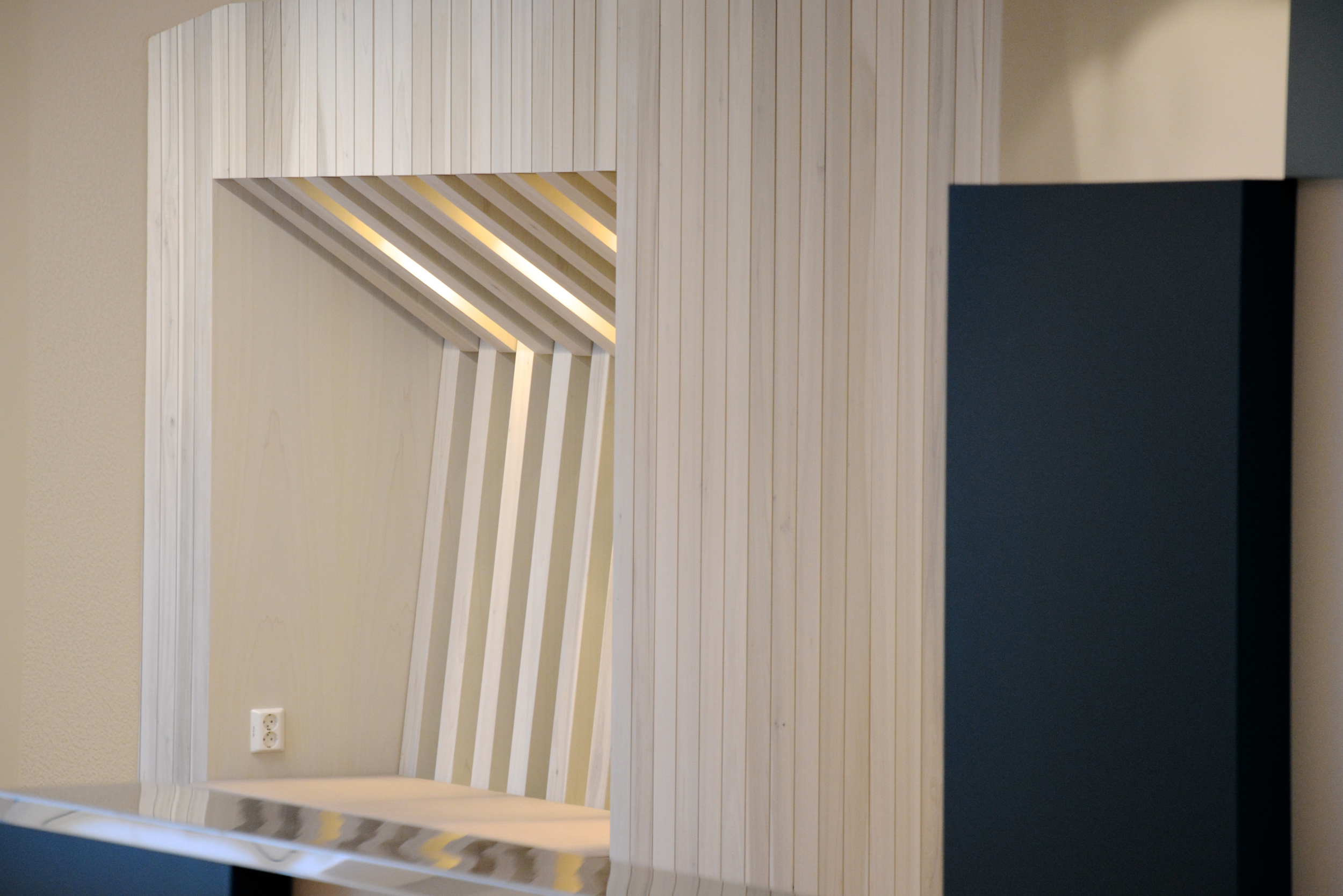
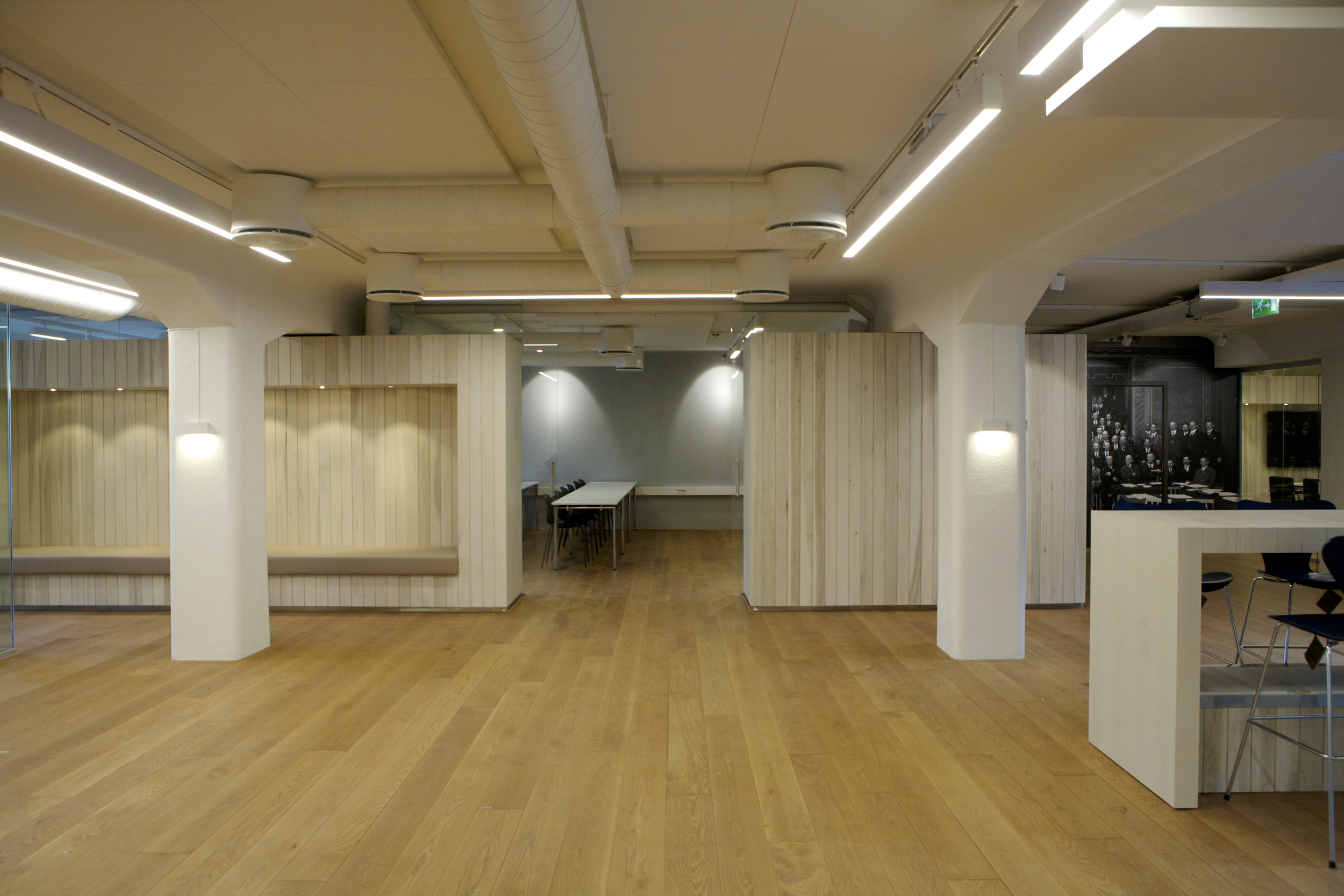
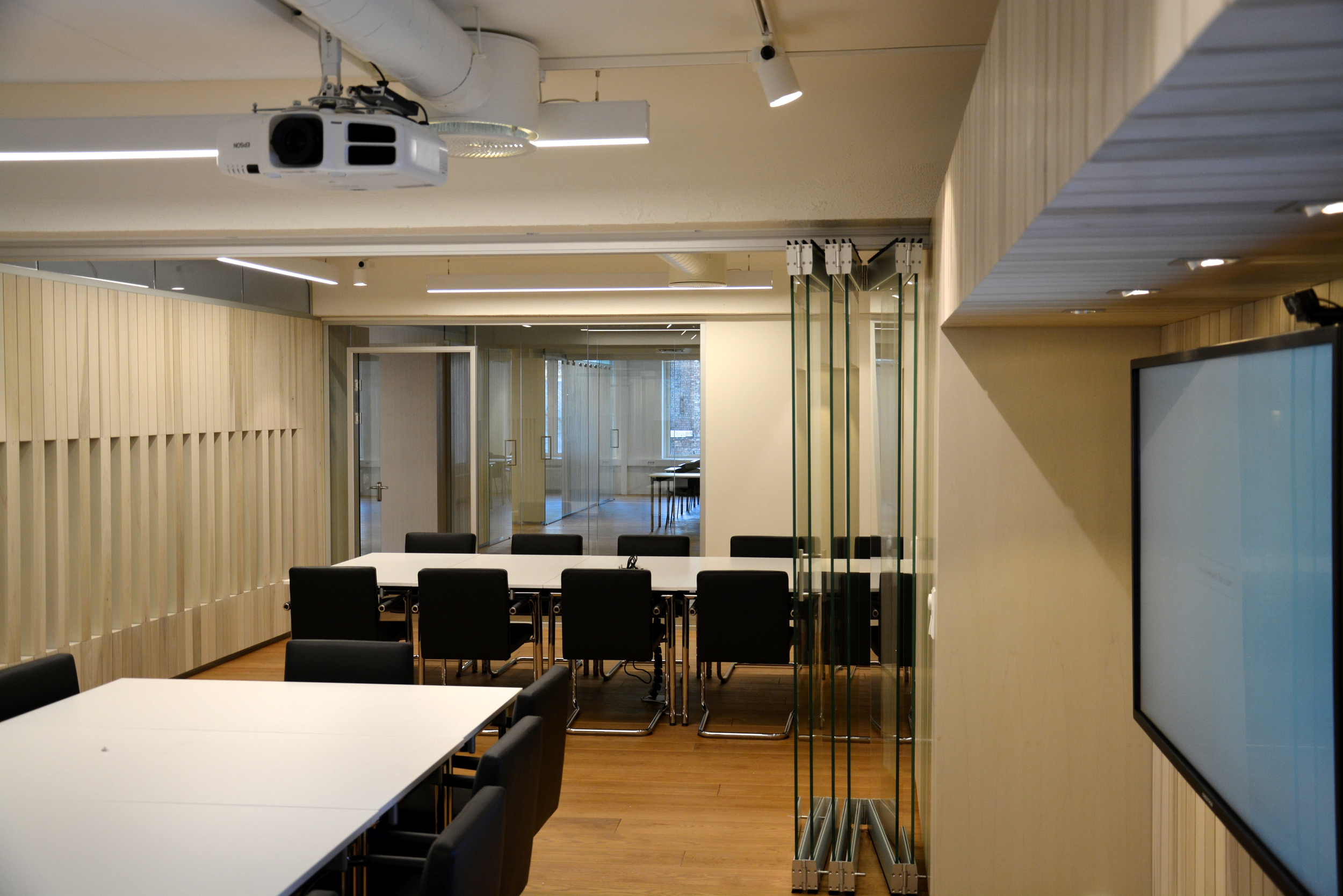
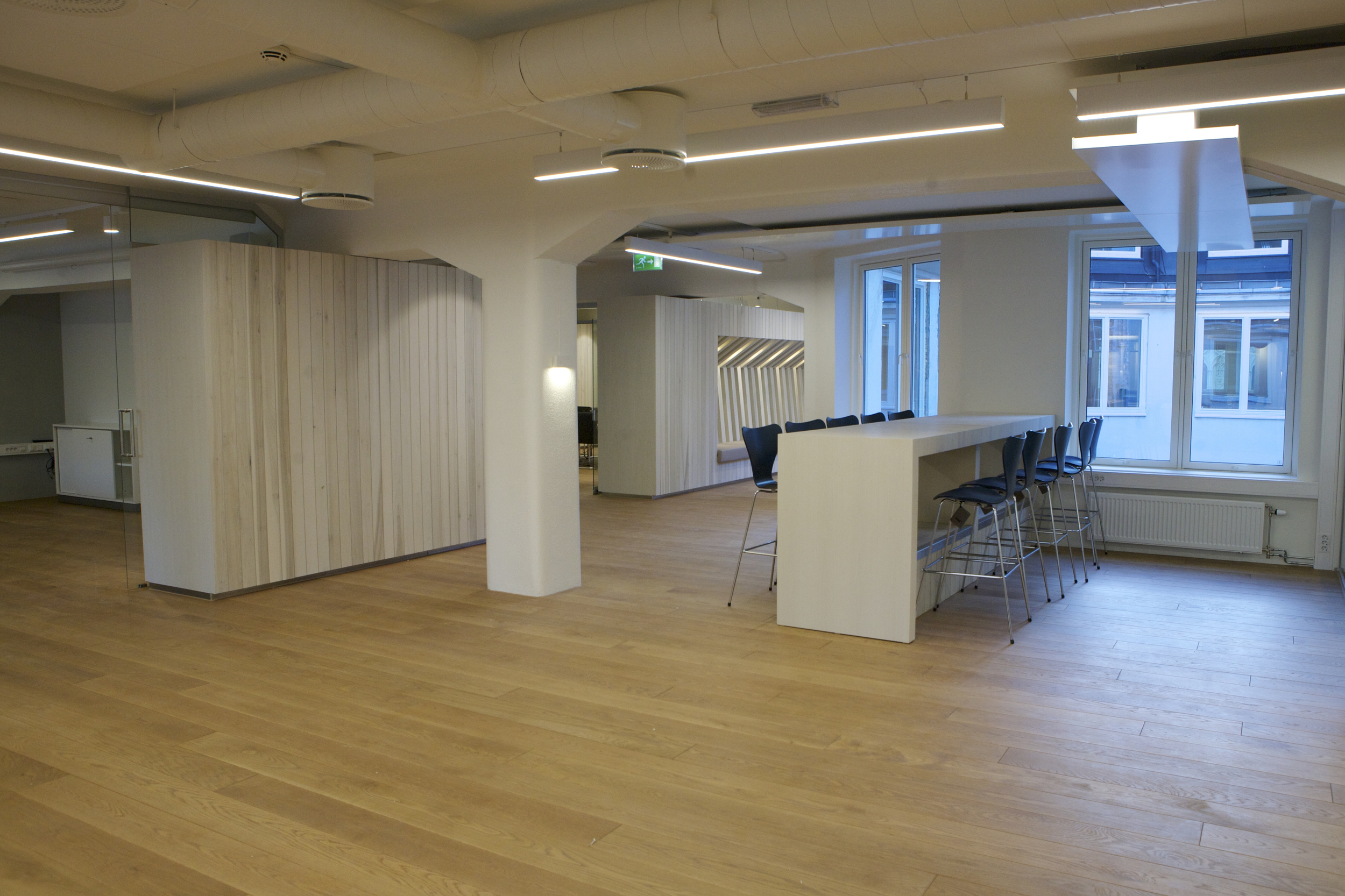
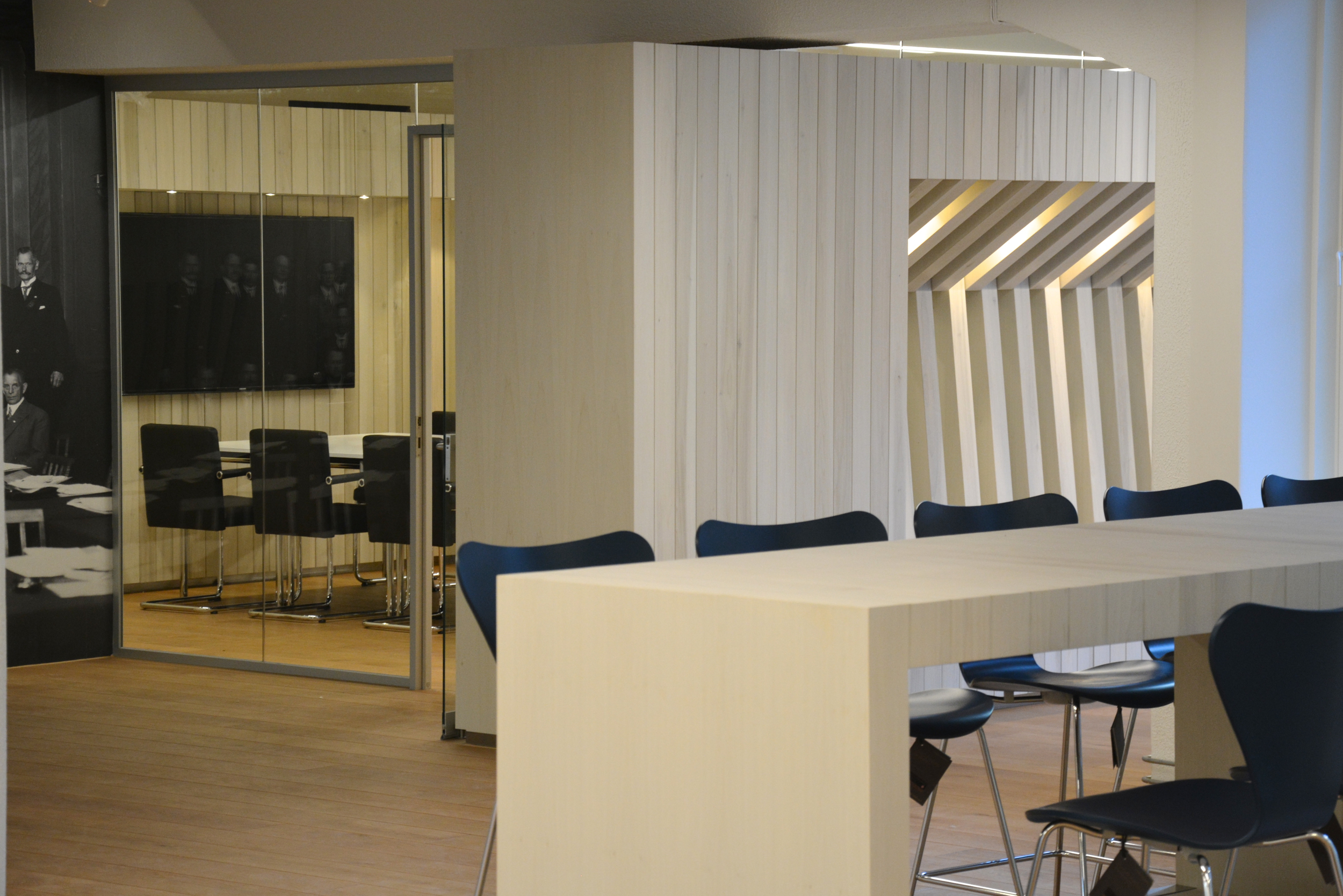
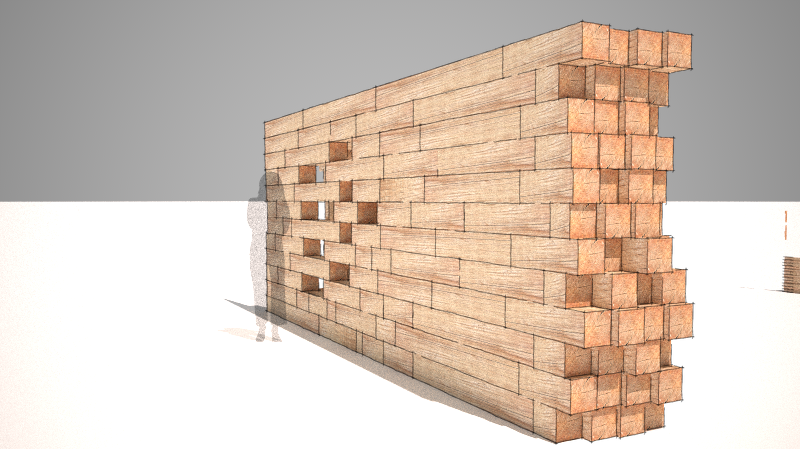
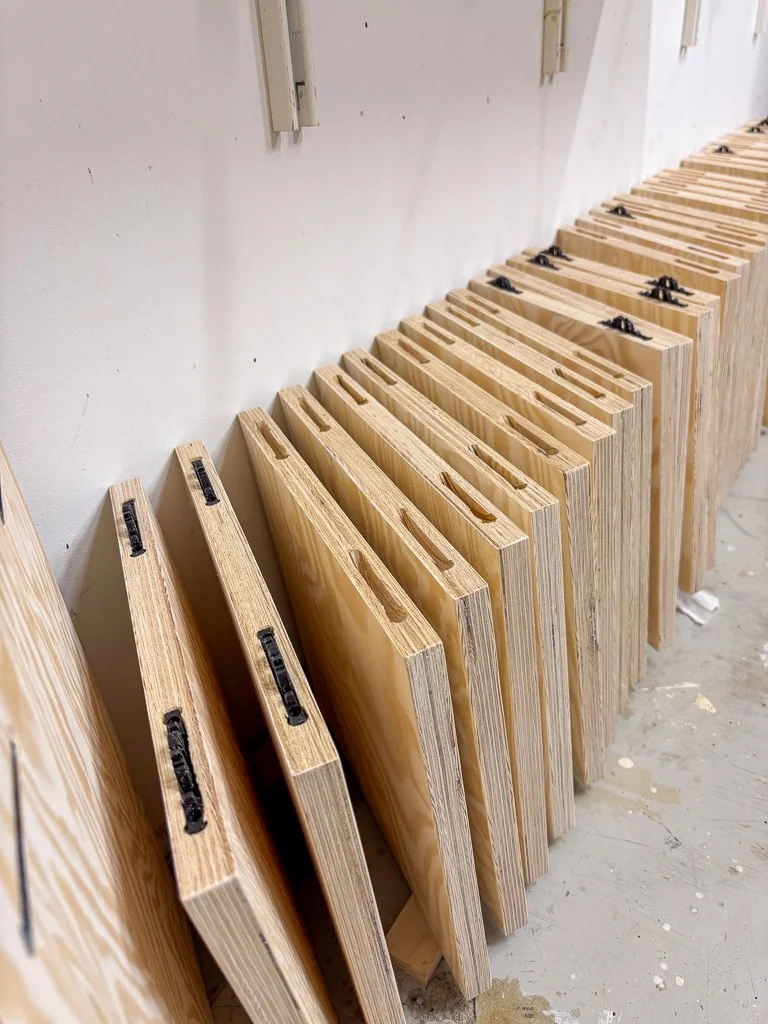
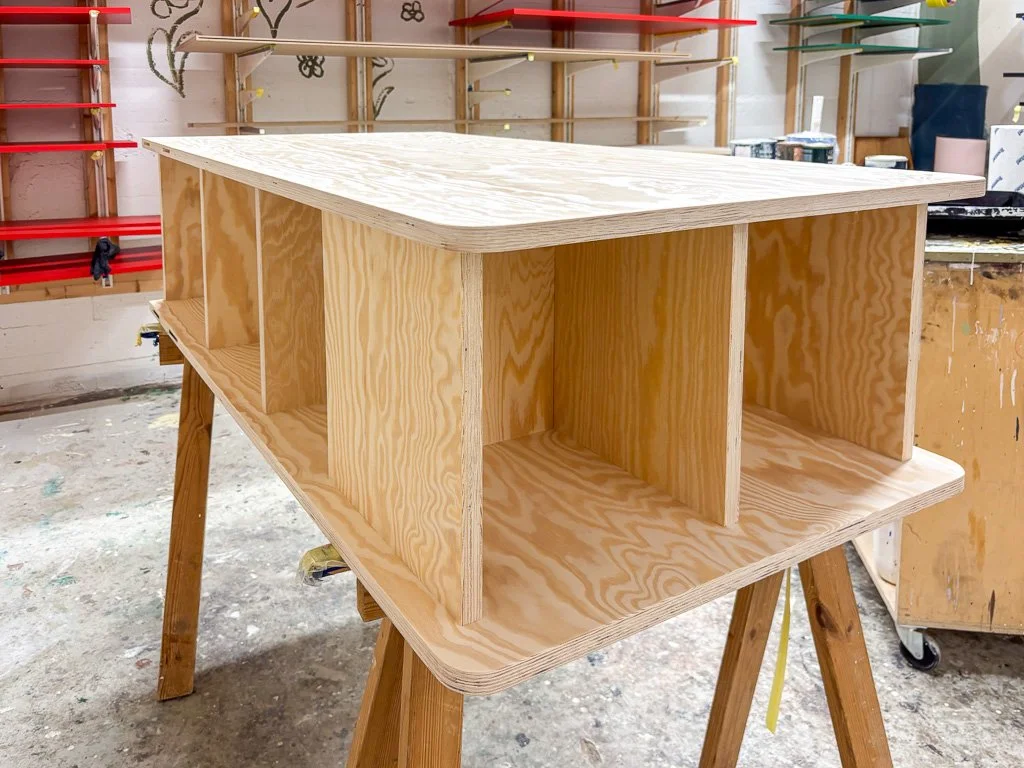
The sitting bench of the new “vinyl corner”, and the modular shelving components behind it, ready for installation in the Kroloftet workshop

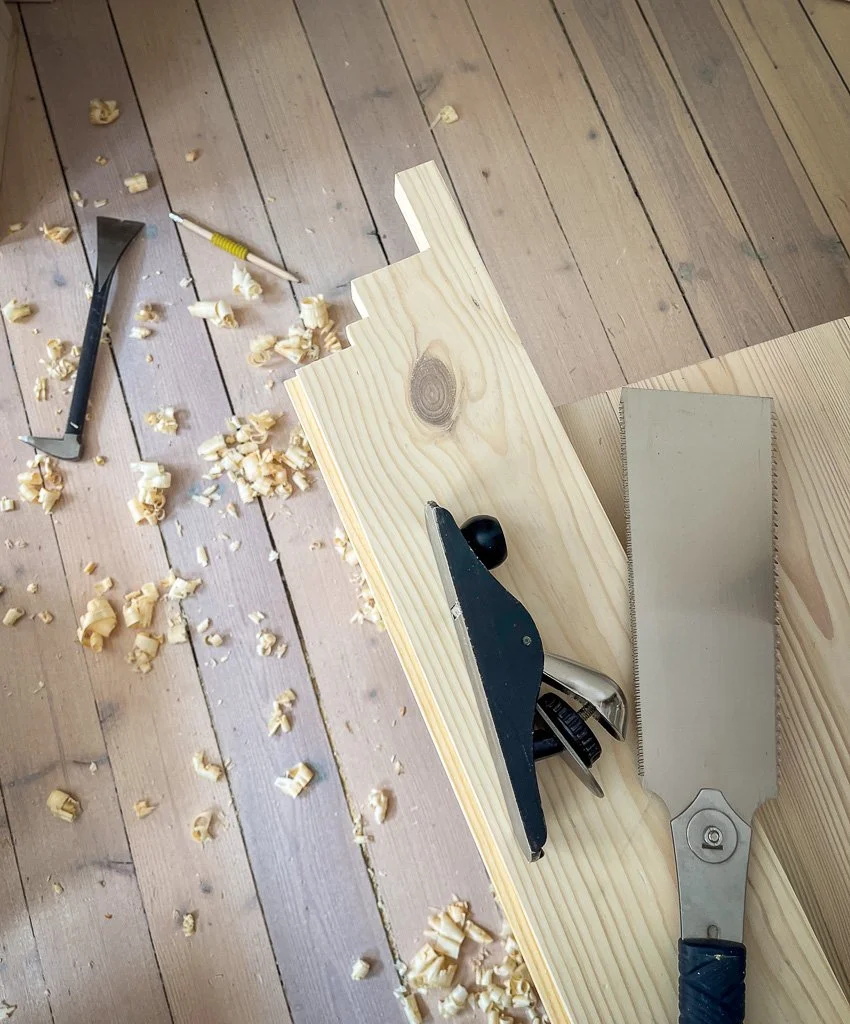
This integrated shelving and bench was fabricated in our wood workshop in Kroloftet by the talented people at Møbelsnekker Mellonie.

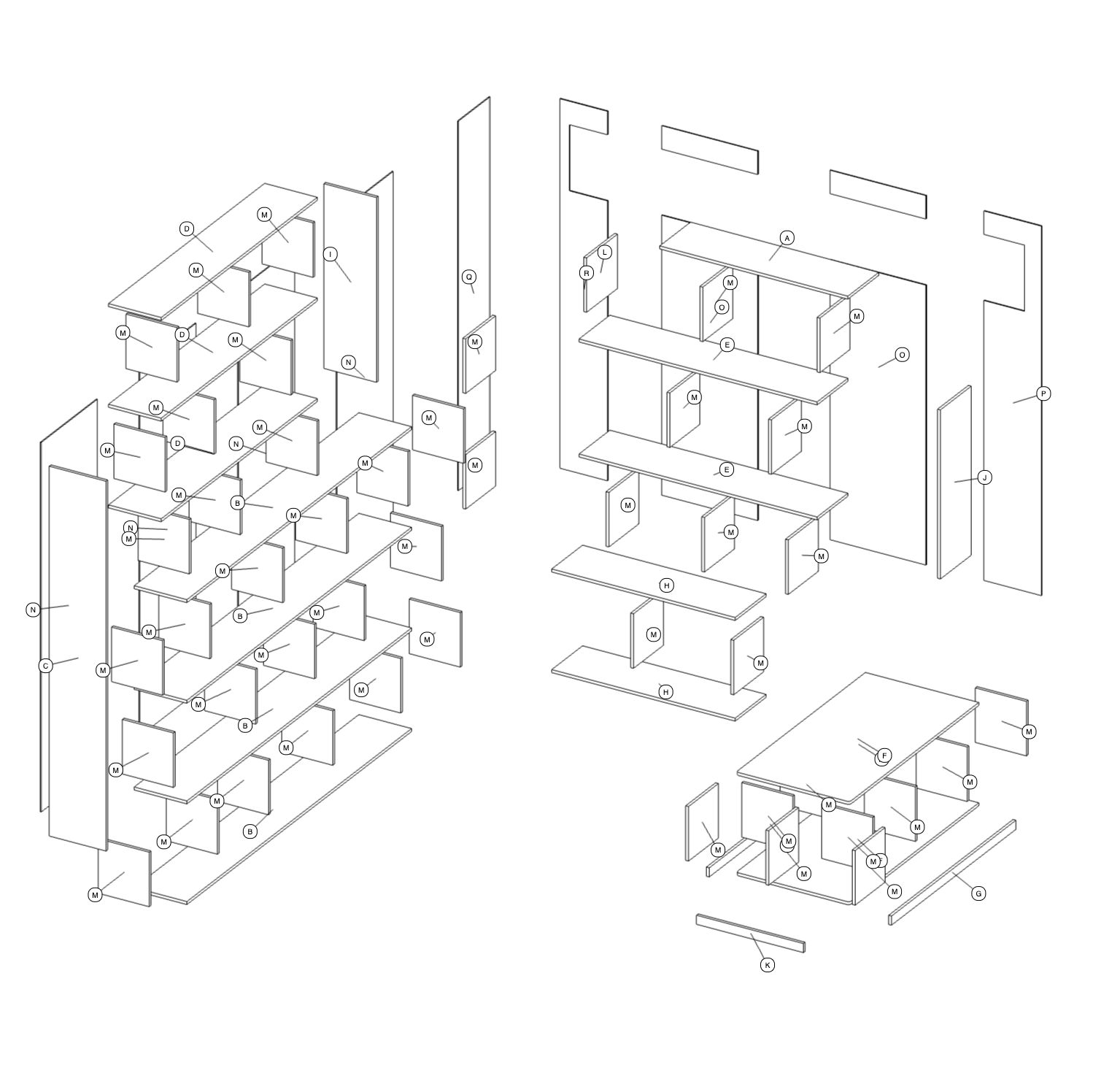
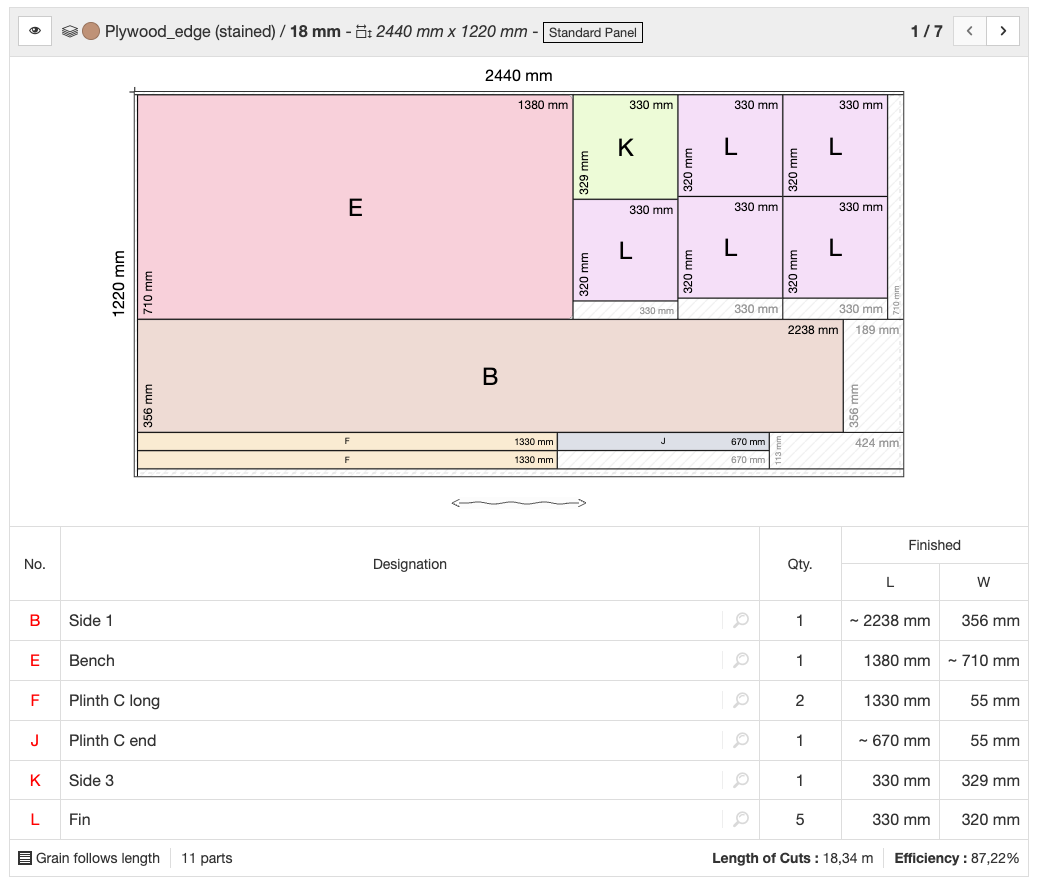
The fabrication was based on our detailed 3D model of the furniture, which was not only used to develop the design with our clients, but also to visualise it and to generate all necessary cutting lists and material bills to produce the furniture.

This integrated workflow makes it easy to design and fabricate built-in furniture that are perfectly tailored to our clients’ needs, allowing fast track design, cost-effective materials procurement, skilful production in our wood workshop and, finally, smooth installation on site by experienced professionals.
Can custom-made furniture help you make the most of every square meters in your home?

Displaying a vinyl record collection

Thibaut Devulder

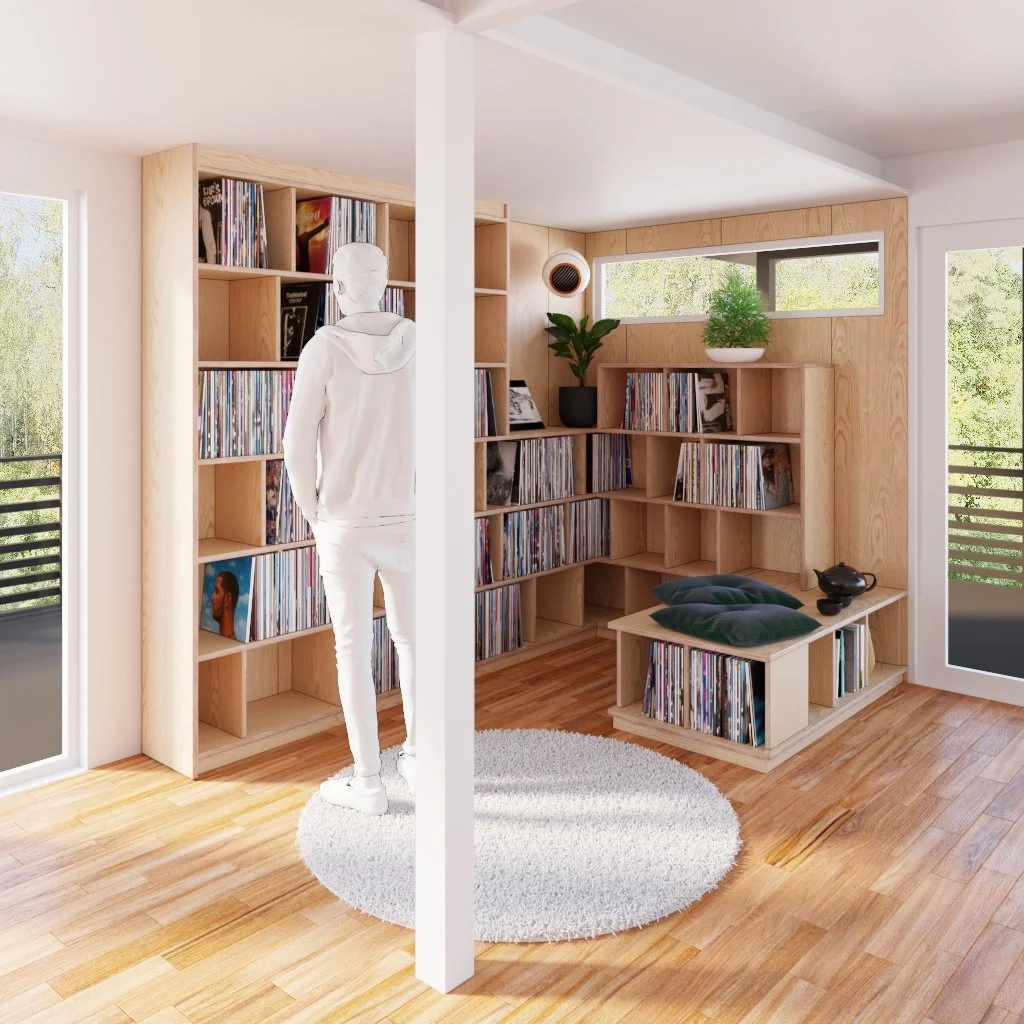
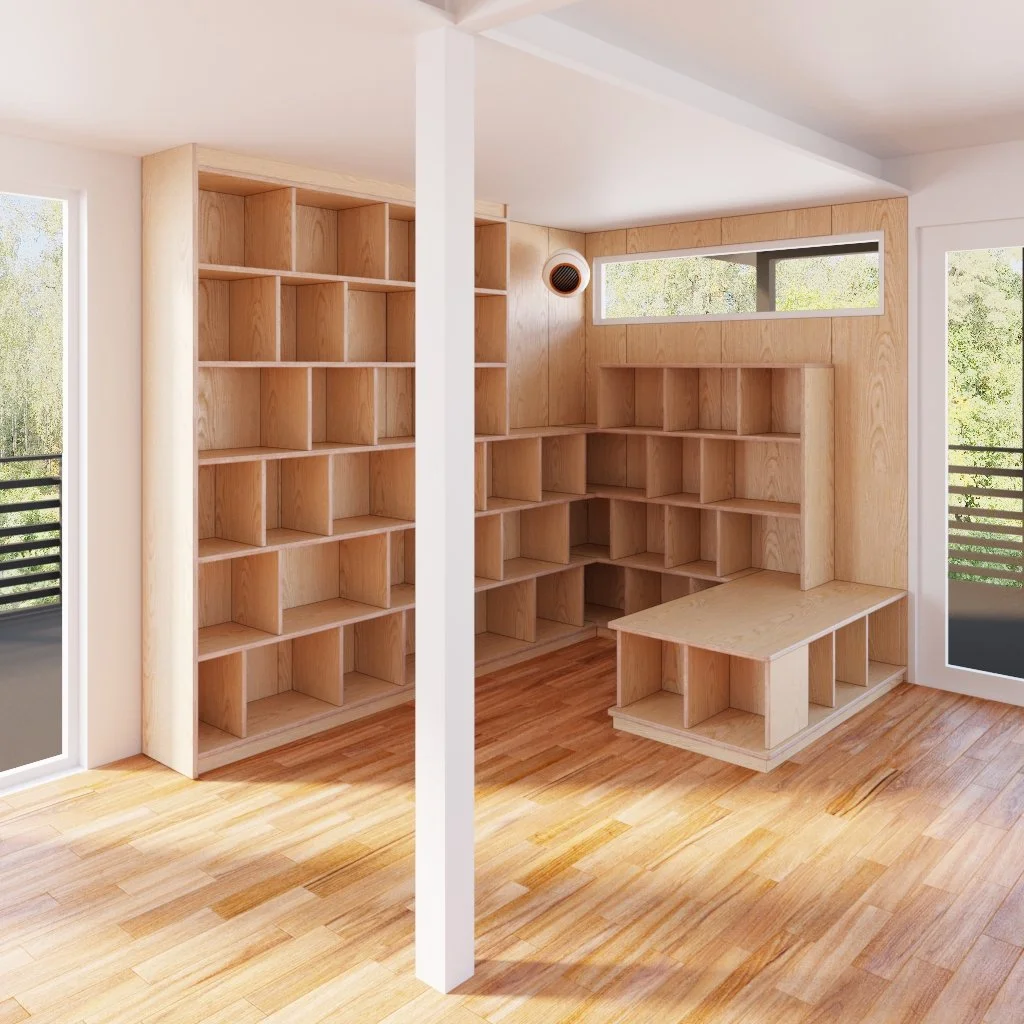
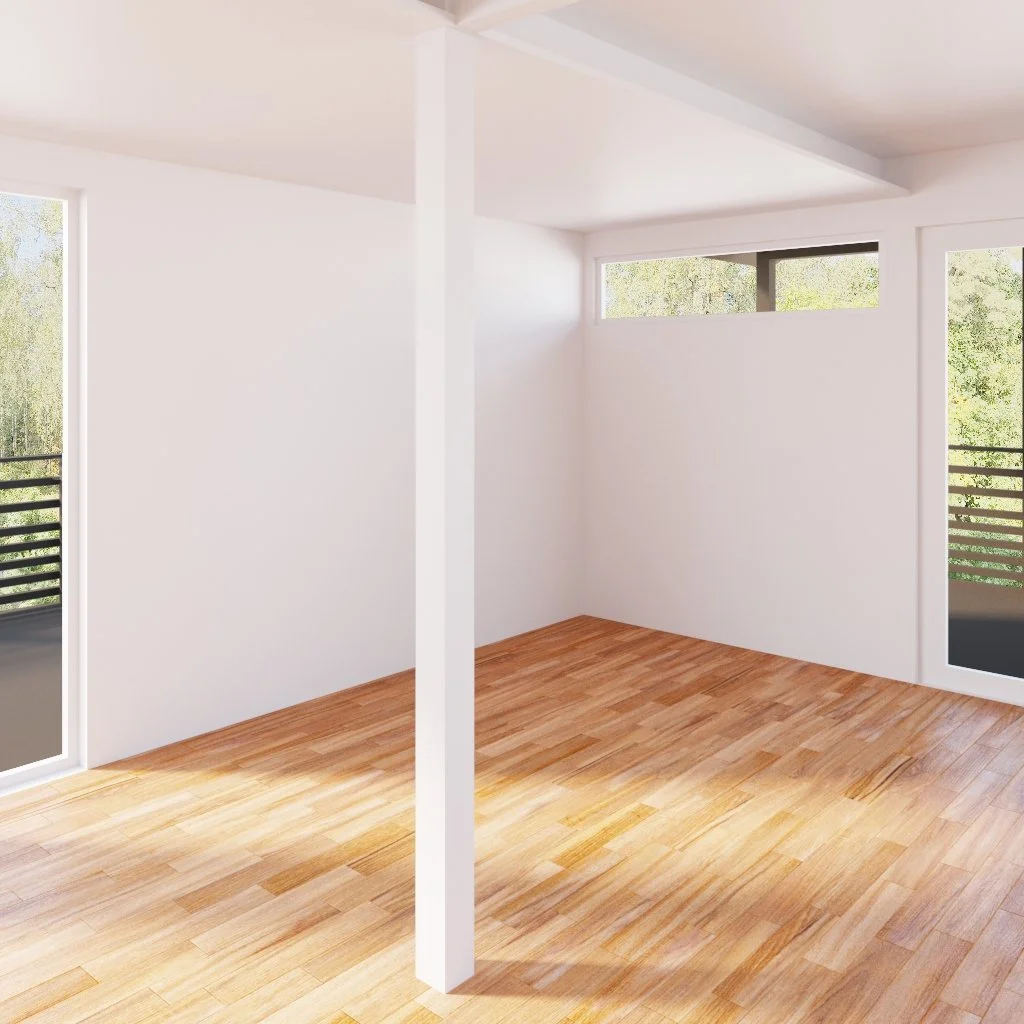
Our clients wanted to showcase their vinyl records in their Oslo home we had remodelled. We designed this little “room inside a room”, a place in their living-room to display their spectacular collection, but also an attractive alcove to sit down, browse through the titles and enjoy the music.

Using the plywood chosen by our clients, we created a 3D model to visualise our proposal, and help them finalise with us the last details of the design, to perfectly fit their needs.

From there, we could quickly prepare all technical documentations from this model for the rapid fabrication in our wood workshop at Kroloftet, including detailed budget, cutting lists and assembly procedure.


Would you like affordable custom-made furniture for your home?

Portfolio project
Creative solutions for plastic waste

Tom Hughes

Plastic is a material that we’ve tended to avoid, put off by our awareness of the environmental problems that its irresponsible use has created. The reduction in plastic use, finding more ecologically friendly alternatives, is still a great idea. But what about the mountains of plastic waste that already exist? Can we contribute in some way to preventing these carbon-intensive materials from ending up in landfill, or in the gullets of turtles, fish and sea birds?

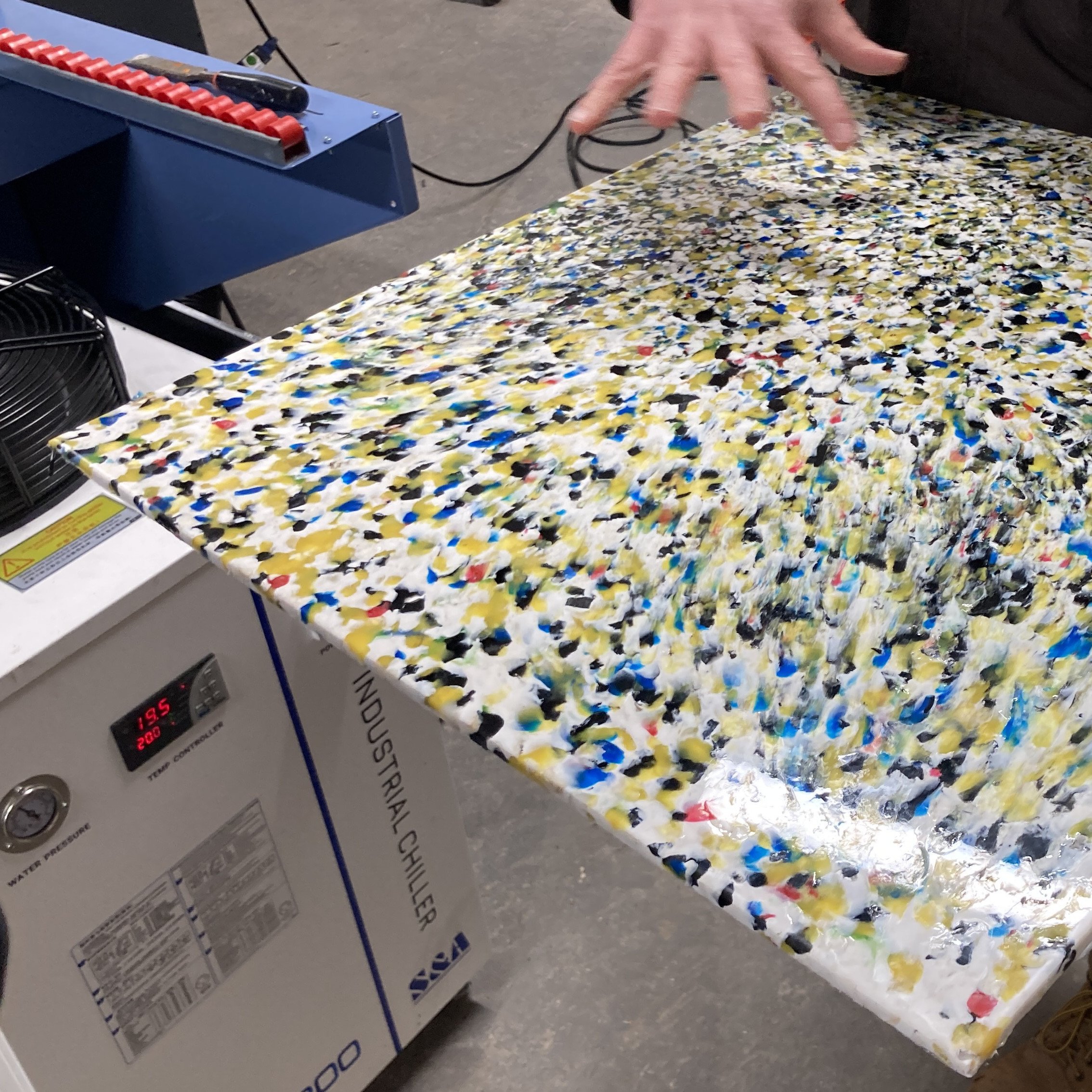
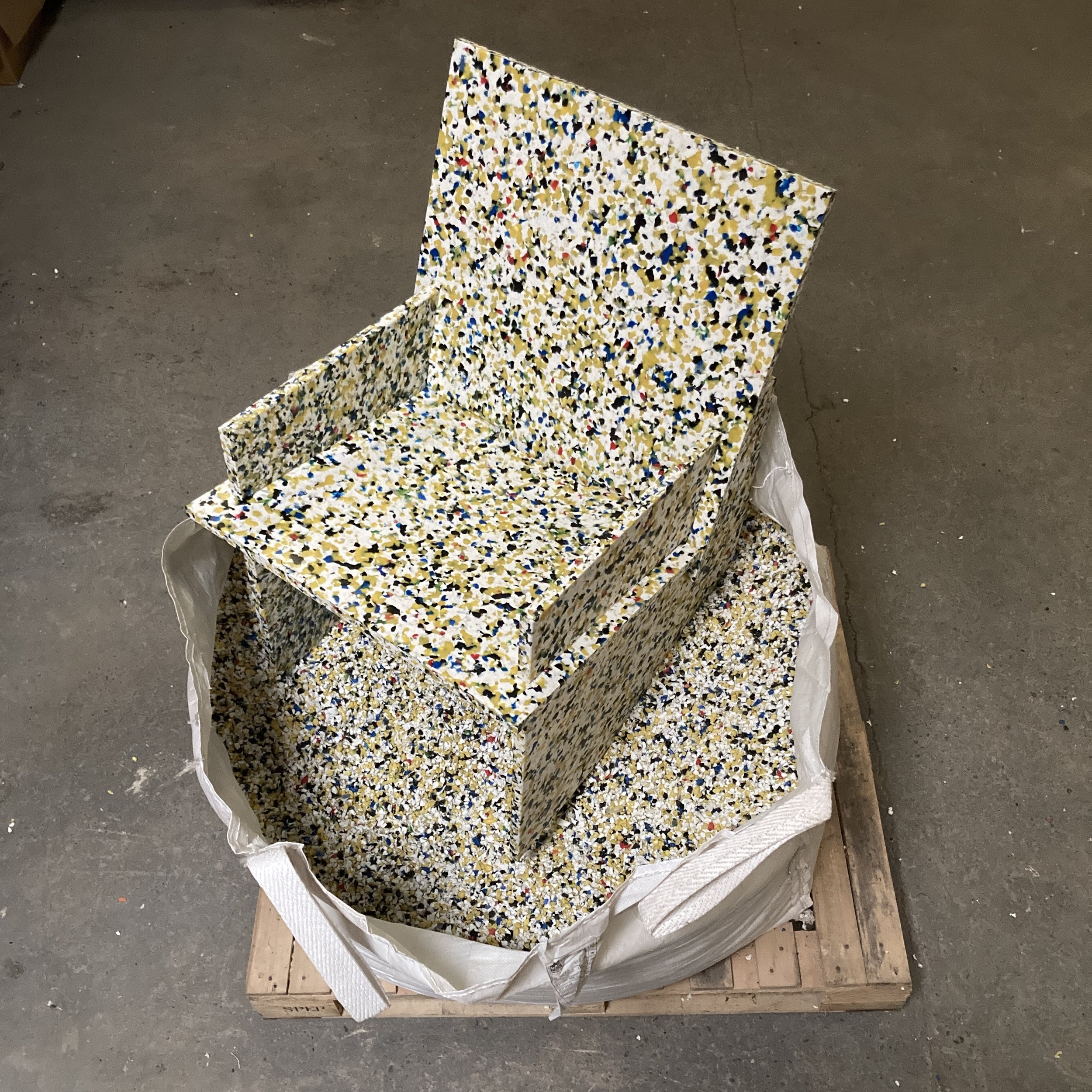
At Future Makers, a creative hub in Nottingham, we’ve been learning about plastic waste and helping set up facilities for turning it in to useful recycled (and recyclable) products. Adding value to a waste product makes the process of collecting and recycling it worthwhile and cost effective. The Future Makers ethos is to approach these problems in a creative way; they bring together the infrastructure required with the expertise and knowledge that enables artists and designers to explore new ways of working.
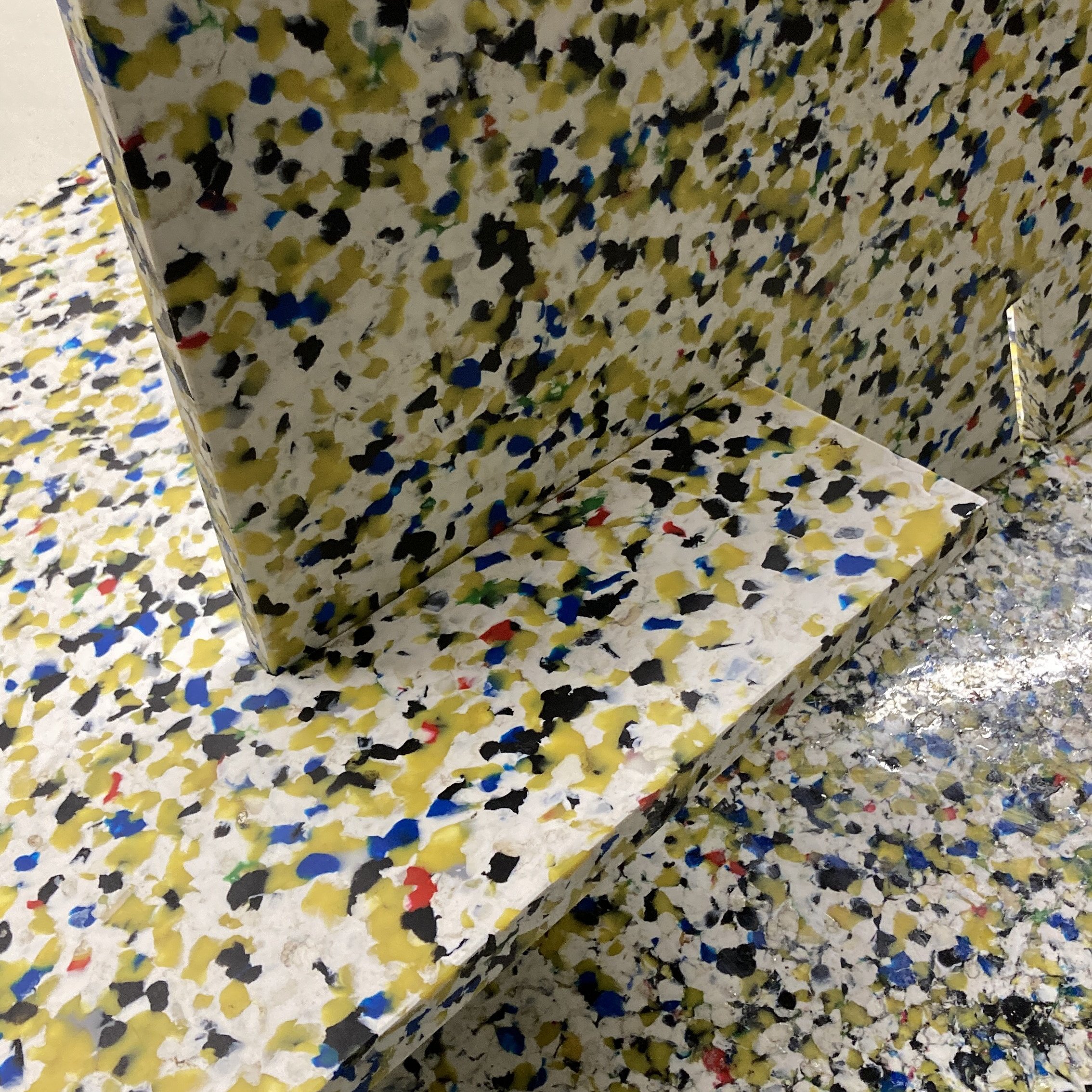
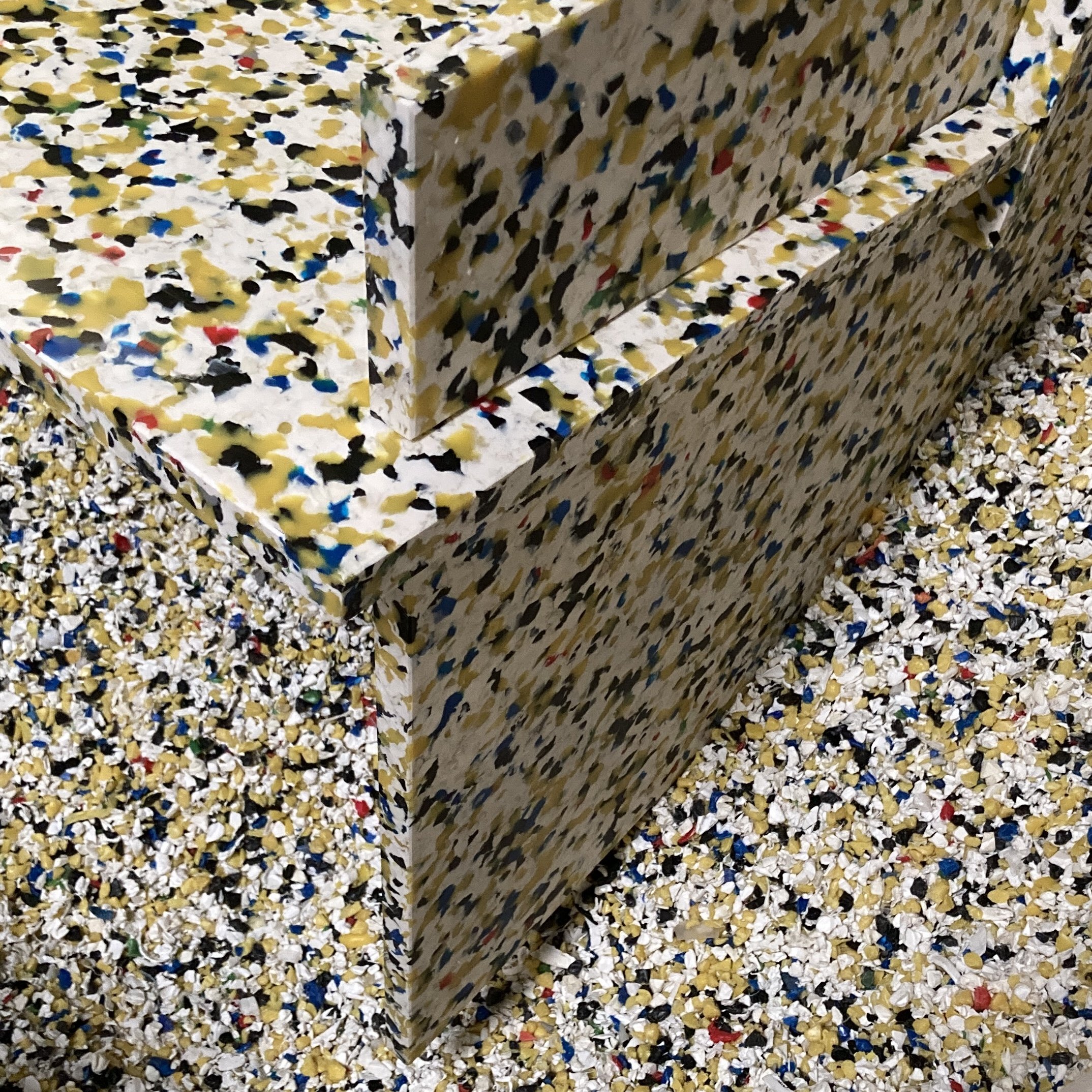
Importantly, there is an economically sustainable approach. New ideas aren’t just conceived as one-off experiments, instead they build the knowledge and experience required to create viable commercial opportunities. In this spirit we were commissioned to work with the initial, terrazzo-style production run from Future Makers’ industrial sheet press, to create some simple-to-build furniture pieces.

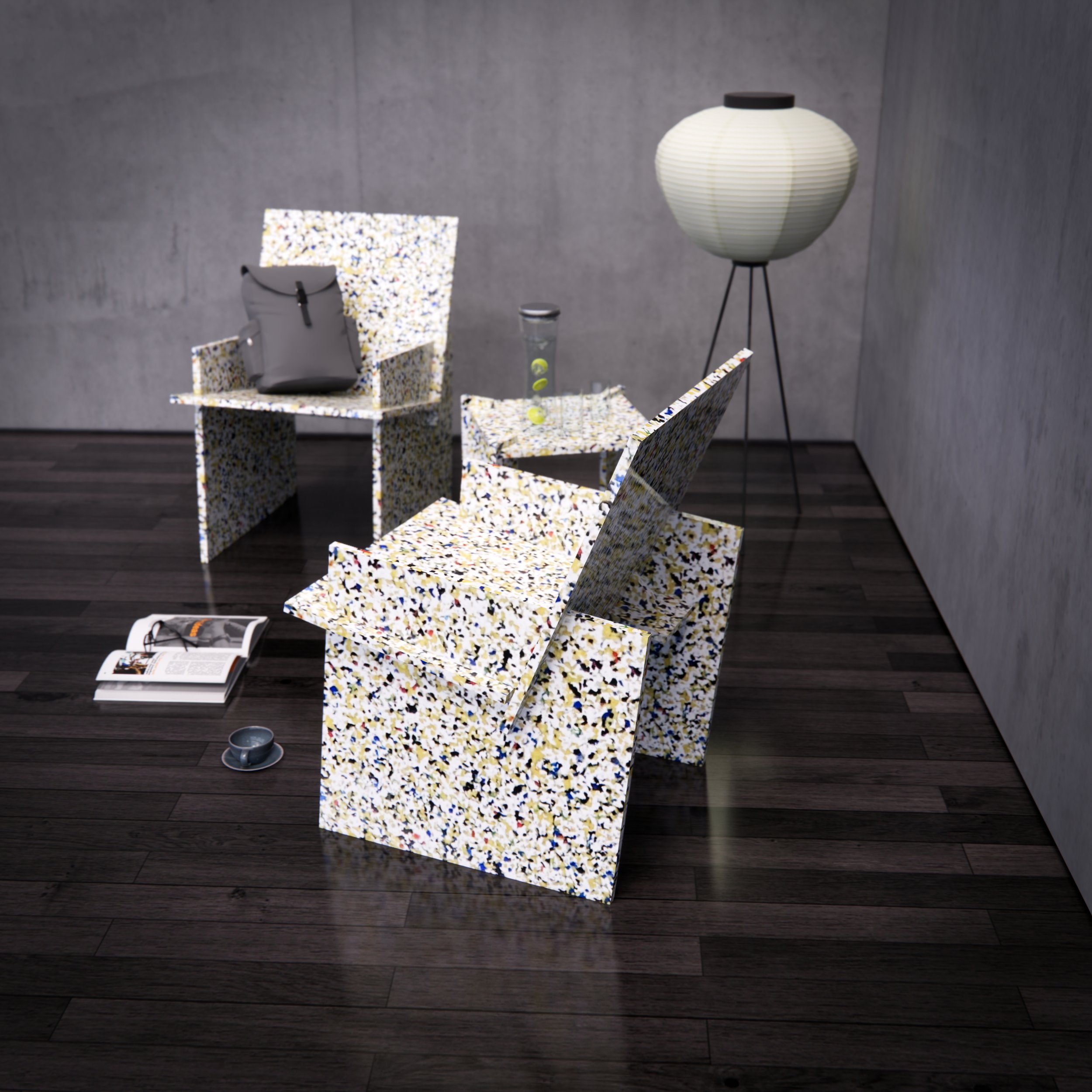
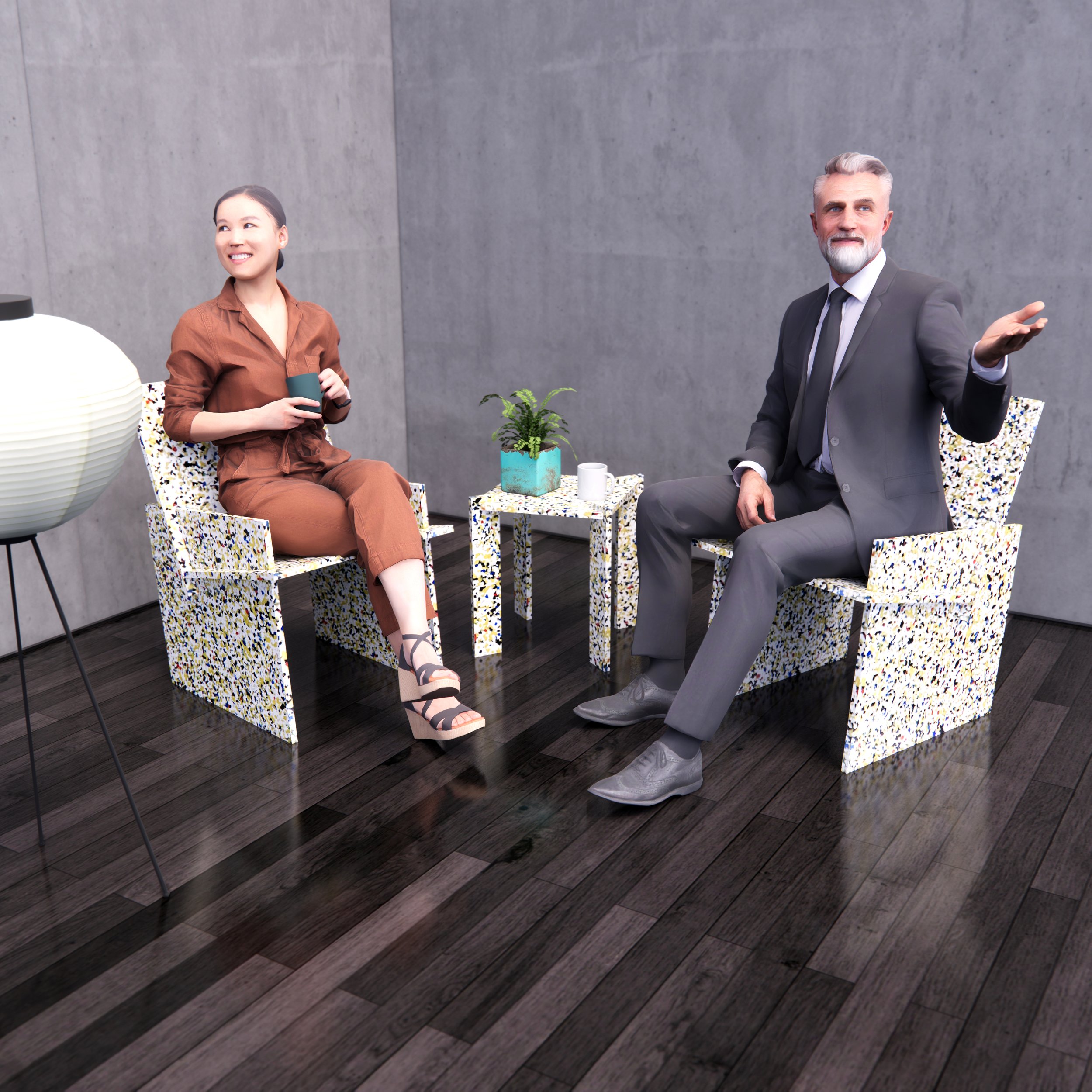
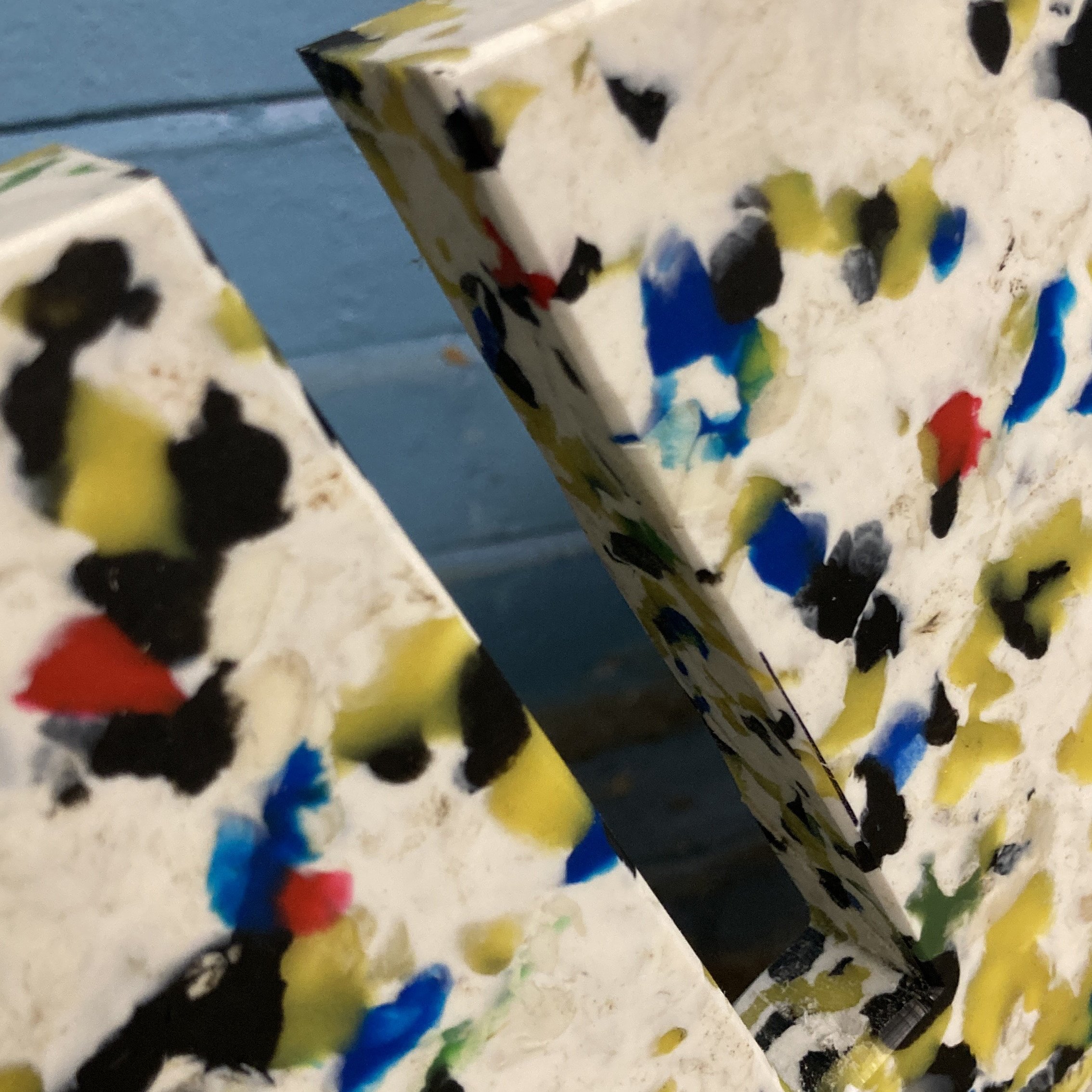
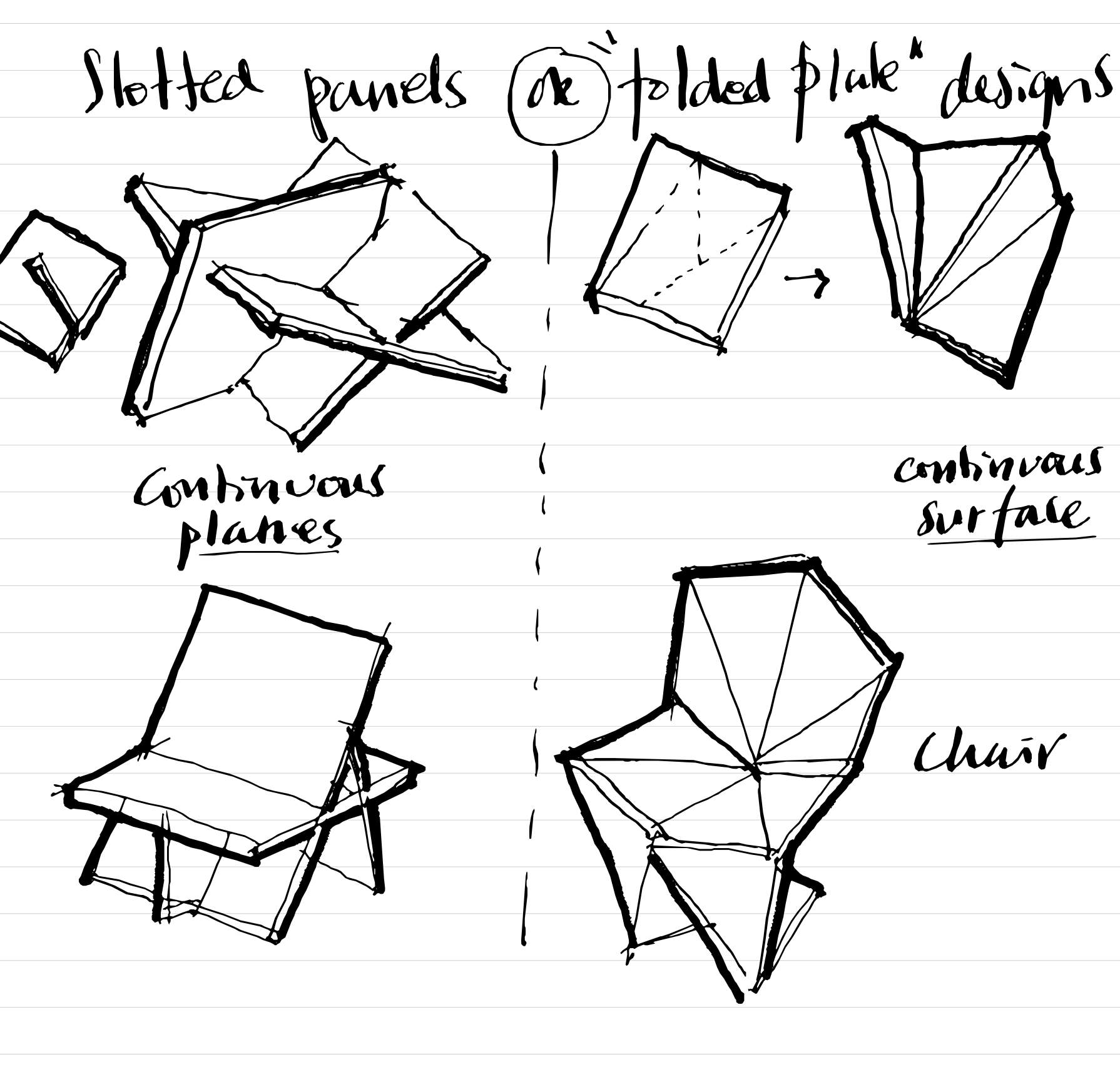
Using the HDPE sheets, made with waste left over from artist Joshua Sofia’s 2001 Regulated Exhibition at Backlit, and in collaboration with Marcus Rowlands (Sheltered Spaces), we designed a slot-together furniture system for an armchair and coffee table. Easy to assemble and disassemble, without fixings or complex brackets, this can be transported to exhibitions and events. As a product, it could be mass produced and shipped, flat-packed to customers. As a single type plastic, it is recyclable again at the end of its useful life as furniture.

In itself not THE solution to the problem, but hopefully another piece of evidence that plastic waste has value. And a thoroughly rewarding project to be involved in!


Photography: Colosseum Mann hospital, by Montaag

Thibaut Devulder

Some images from my photoshoot of the Colosseum Mann hospital, in Oslo, recently redesigned by the very talented team at Montaag, a multidisciplinary design studio based in Norway and California.

P8530150.jpg

Photography: Nordisk Film & TV Fond

Thibaut Devulder

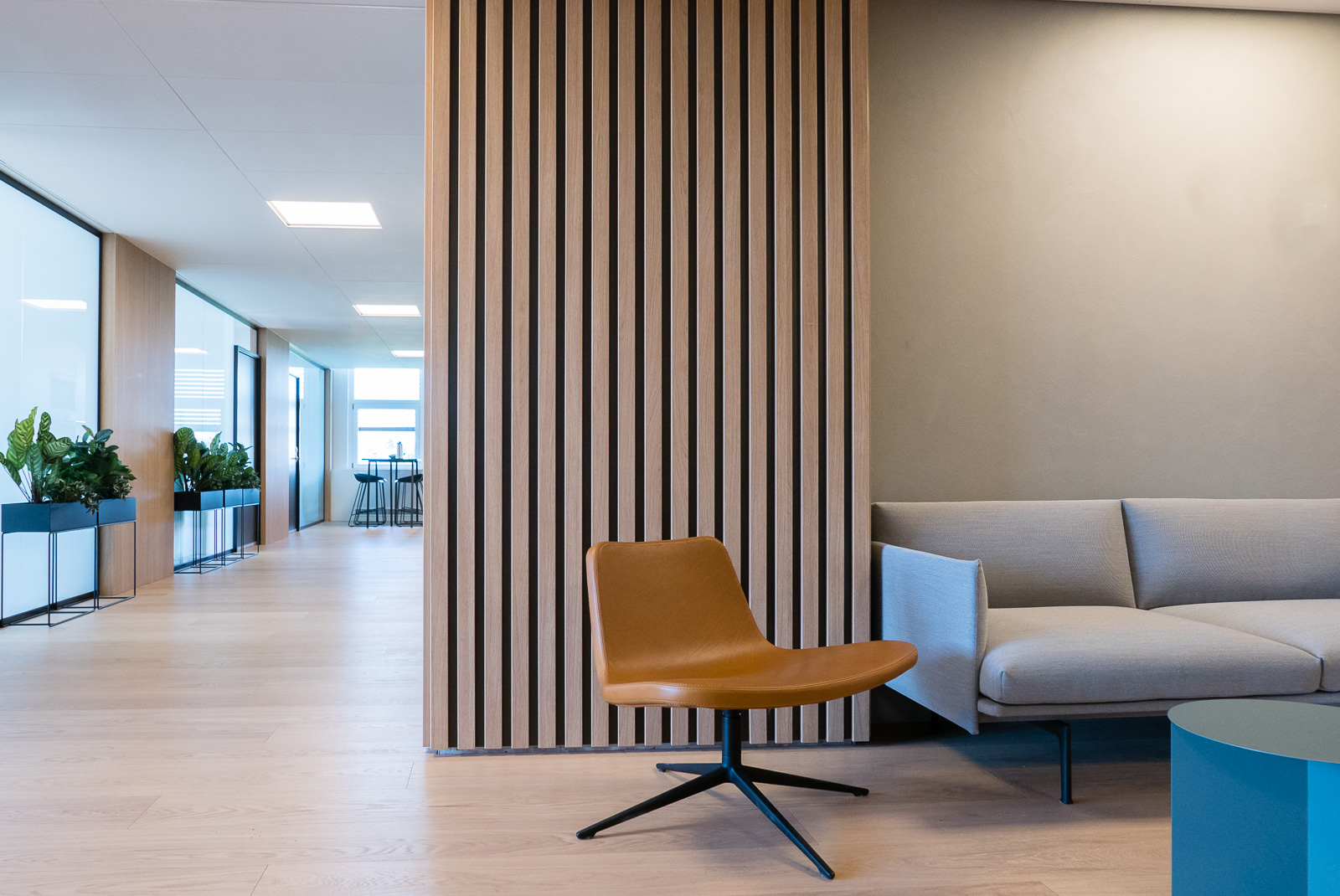
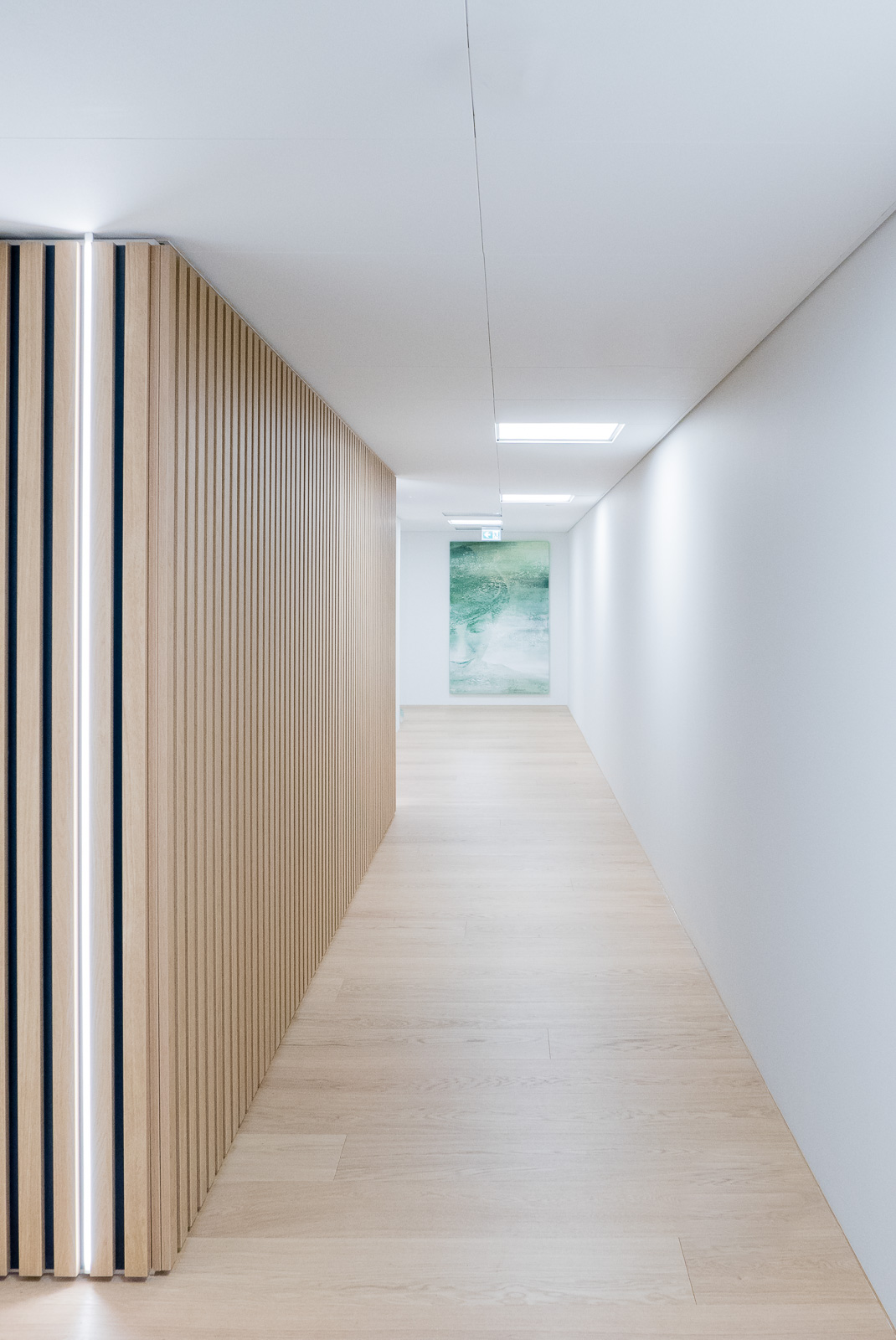
Some images from my photoshoot of the office interior at the Nordic Film & TV Fond in Oslo, freshly redesigned by Kubik Interiørarkitekter.

Photography: Akersbakken 12

Thibaut Devulder

A photoshoot of Kubik's latest interior design, on Oslo's riverside. 

Photography: Kubik's Nedre slottsgata

Thibaut Devulder

A new photoshoot forKubik Interiør Arkitekter: a newly redesigned staircase in Oslo's city centre.

Photography: UGG showroom

Thibaut Devulder

I have just completed another photoshoot with interior architects Kubik, this time to photograph their recent refurnishing of a showroom for the uber-trendy shoe designer UGG, in Oslo.

Designing self-build projects for artists

Tom Hughes

A recent project at One Thoresby Street artists studios and gallery gave us a chance to develop new techniques for designing with self-builders.

Artists at the One Thoresby Street gallery, building our design themselves

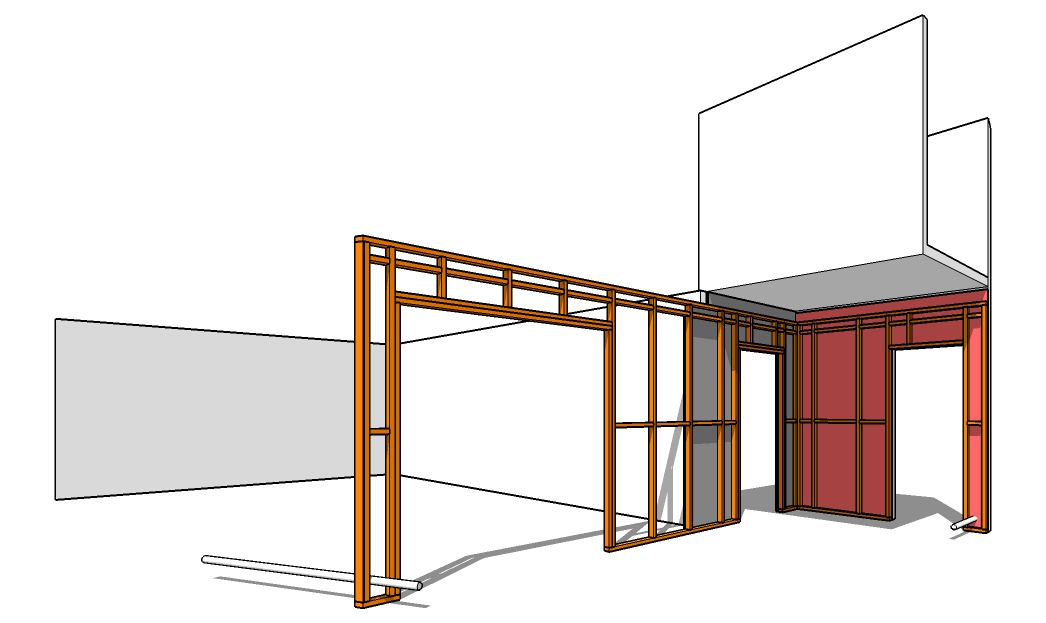
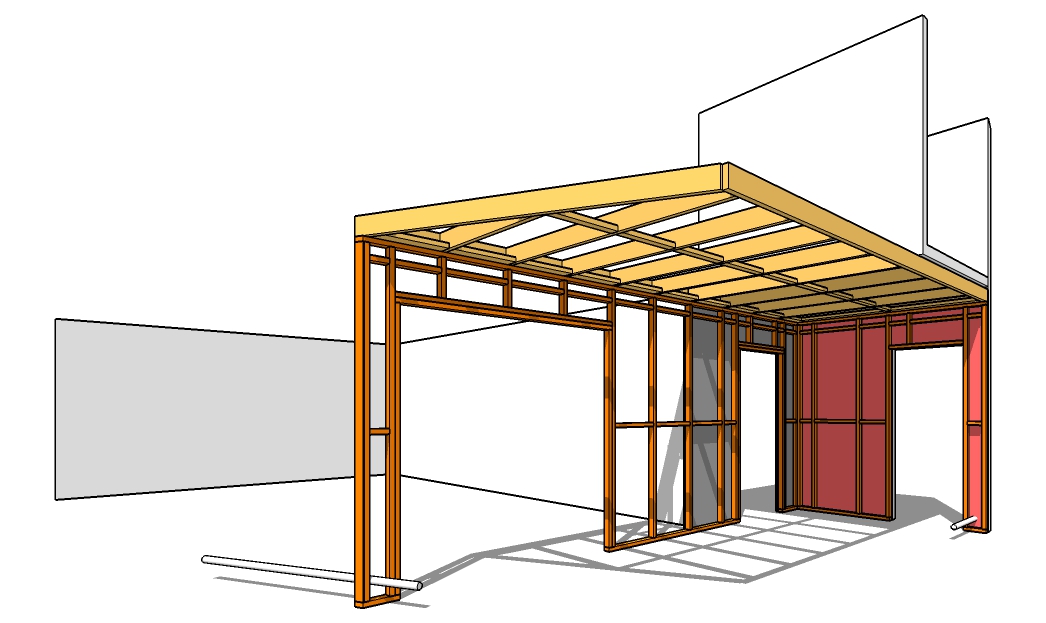
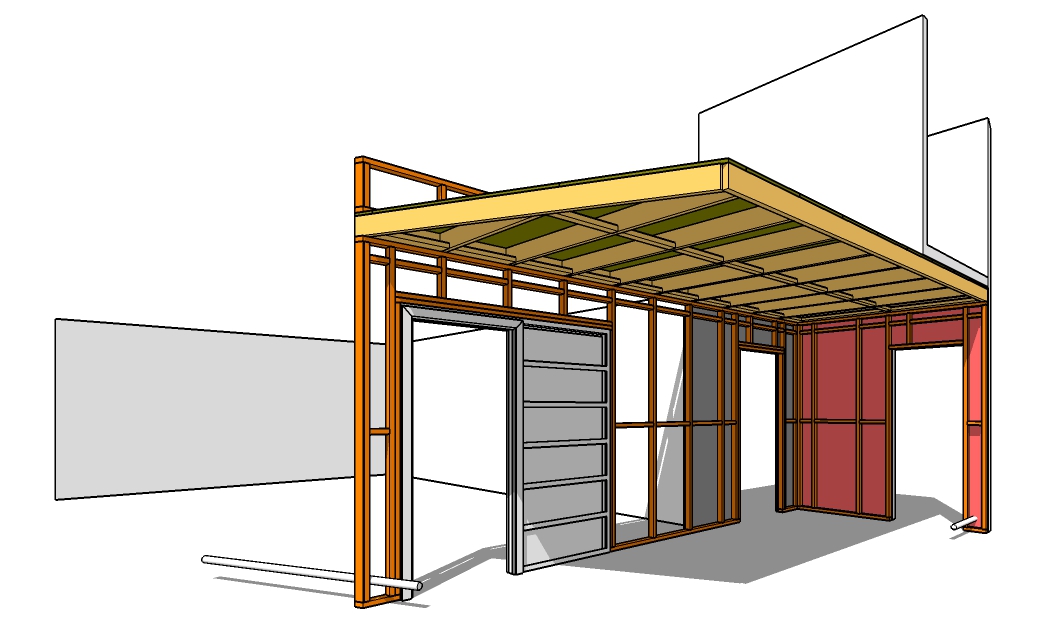
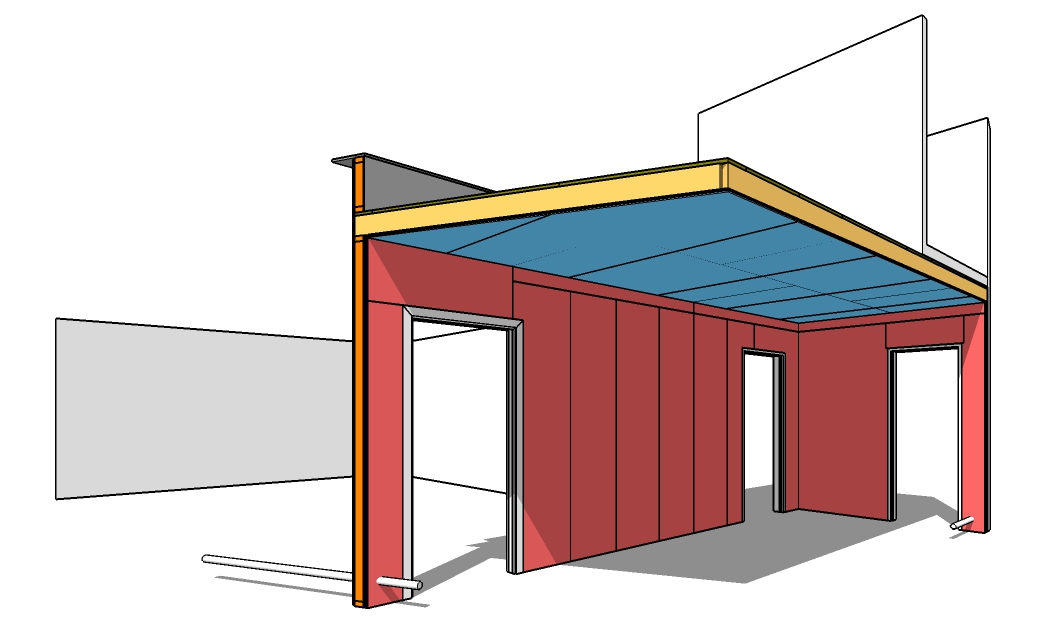
As part of a longstanding relationship with the artists at One Thoresby Street (OTS), we were asked to design a lobby space for the top-floor Attic Gallery. This would sort out circulation between the gallery and studio spaces and provide a vital fire safety feature by separating the occupied space from the access stairwell. Unusually, the lobby would be built entirely by the artists themselves.

We approached the project through a careful survey of the existing building and designed the lobby to create a great experience for visitors as they approached up the stairwell. A sliding fire door, held open on electronic sensors linked to the fire alarm system ensures that movement and views through are eased. The height of the lobby is reduced to contrast with the tall gallery space, which also minimises the materials used and creates a storage and projection deck overhead.

High technical standards had to be met in the project to create a fire resistant construction, the budget was tight for materials and the building team (skilled makers but not construction professionals) needed to have excellent clarity over the build process.

This put huge demands on the communication of technical information, so we took an approach more normally found in larger scale projects - we created a 'Building Information Model'. This was a CAD model showing every structural member, board and component, organised to give the artists a coordinated picture of the materials to order, the dimensions for cutting, the assembly sequence and the spatial relationship between every item in the final assembly. We then lent the group a laptop with the CAD model installed so that they could take the information directly off it on site.

The build proceeded smoothly with a tiny number of requests for additional information, wastage of materials was kept to a minimum and the end result is a happy self build client, an effective adaptation and an safer, better Attic Gallery space at OTS.

Assembly manual for custom-designed furniture

Thibaut Devulder

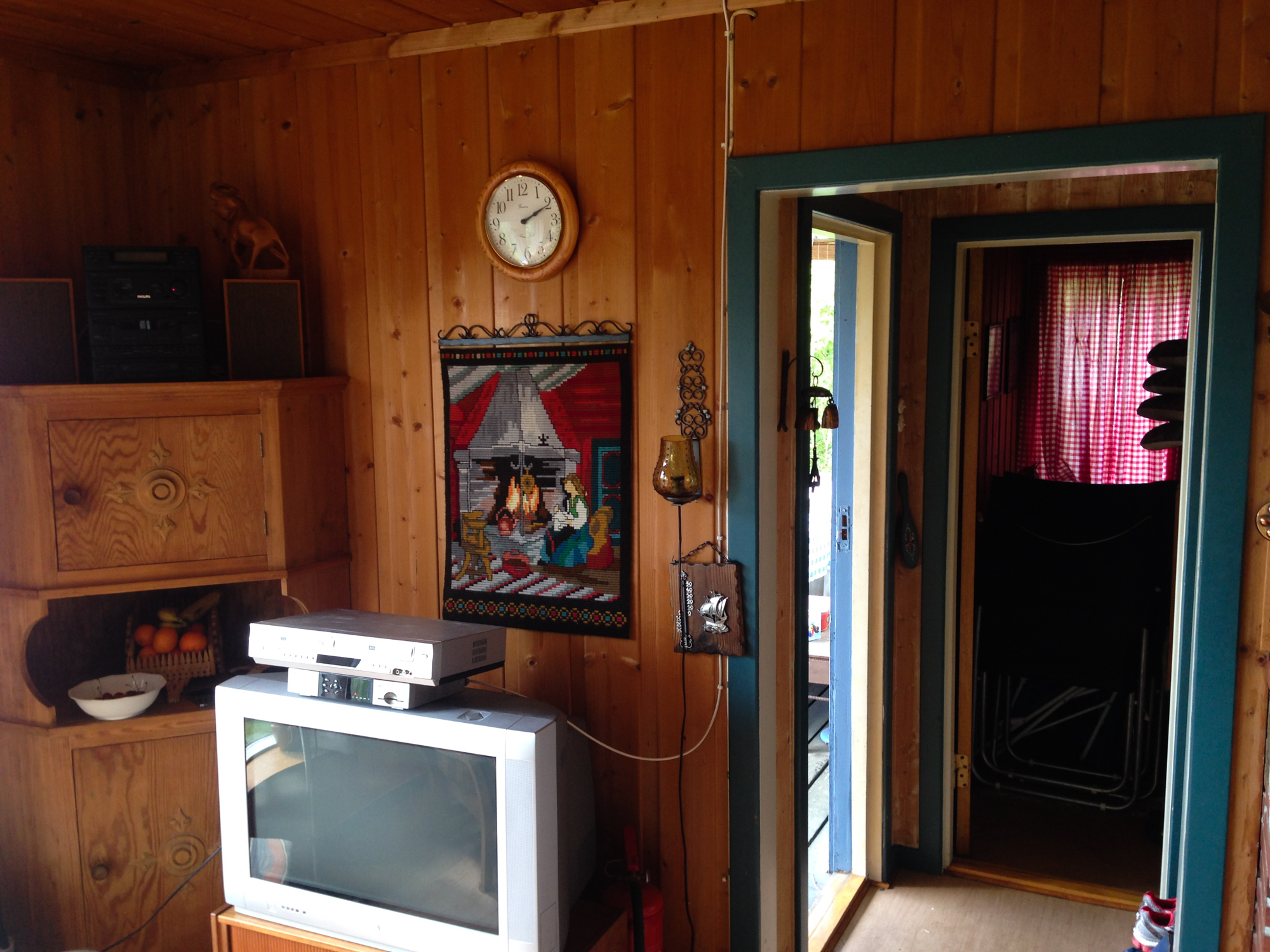
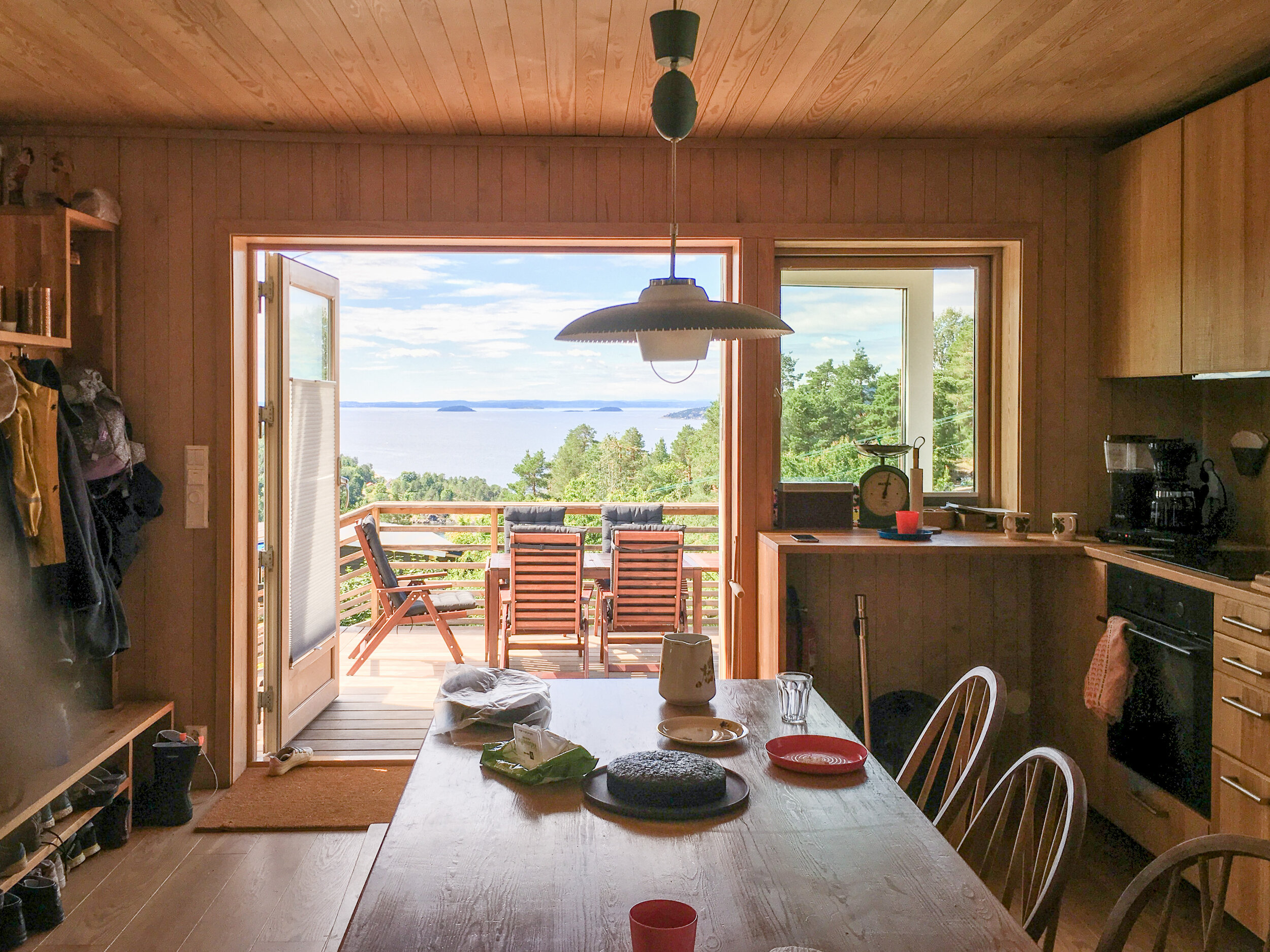
In the summer cabin we redesigned on the Oslo fjord, we articulated the main living space with an open screen that had to perform many functions: create a light visual separation within the open plan space, provide storage for outdoor clothing and shoes for up to ten guests, integrate a large TV and offer seating in front of the new wood stove.

We finalised the design of this custom-made furniture as the project was already on site and decided to build it out the same oak bench plates used for the new kitchen. We created detailed instructions for the builder about how to make and assemble this large piece of furniture. Our instructions even included the detailed cutting patterns to minimise waste from the standard benchtop boards used to make it!

Photography: Kubik's new office for Norman & Co

Thibaut Devulder

Kubik Interiørarkitekter — the talented interior architects with whom we are sharing an office space in Oslo — asked me to take photos of their freshly completed new interior for Norman & Co, Norway's oldest law firm, in Oslo's exclusive Akerbrygge neighbourhood.

Here are some of my shots, trying to capture Kubik's delicate contrast of warm materials and cool light...

Photos taken brilliantly, in all aspects of the word!
Nice, precise, detailed and beautifully captured with brilliant colours. We will definitely ask 2hD again to photograph our interior projects!
Hege Liven, interior architect at Kubik

Portfolio project
A seaside cabin in Hvitsten

Thibaut Devulder

Sketch impression of the remodeled cabin, looking at the fjord from the playroom

We love to design cabins, as they bring together so many of our design interests.

First, our predilection for architecture in remote (and often sensitive) natural locations, to create small thresholds where man meets nature, where minimal environmental footprint and limited access call for an economy of means.

And we are fond of designing tiny spaces — creating places rich in human interactions and intricate functions where people can really "key in" with the architecture, bringing back the simple joy of being together, sheltered from the elements.

But as importantly, cabins also act as social nodes where the complex community of the different generations in a family or in a group of friends congregate, each with their different needs, expectations and desires, making for a challenging but fascinating briefing process.

This redesign of a seaside cabin in Hvitsten, on the shore of the Oslo fjord, brought all these aspects together and was a nice counterpoint to our earlier design of a skiing winter cabin in the mountains of Hedmark.

A small stream flowing between the existing cabins

About the project

As is often the case with Norwegian cabins, our clients for this project spanned over three generations. Initially built in the 1950s by the great-grandfather, the summer cabin and its small sleeping annex have been used ever since by the family for spring and summer holidays.

The extended families are now struggling to all fit in the cabins, which has become both too small and in need of repair. Now retired, the grandfather and his partner also want to use the cabin a lot more throughout the year, so they needed the uninsulated cabin to be upgraded for the winter climate and wished to have a real bathroom installed.

All had cherished childhood memories of the cabin and wanted to preserve as much of its exterior aspect and rustic character as possible. So, their requirement to comfortably fit in up to twelve sleeping guests for occasional extended family gatherings called for inventive remodelling and renovation, considering their tight budget!

Looking at the existing cabins

Perched against a steep rocky hillside overlooking the sea, the cabins face south-west into a breathtaking view of the Oslo fjord and its slow ballet of sailboats and cruise ships.

The Oslo fjord, as seen from the main cabin

Plans of the existing cabins

In the main cabin, the small living room actually had a large window opening towards the fjord, but the kitchen and meal area — central to family life in the cabin — were situated behind it, in the darkest part of space of cabin, right against the rock face to the north. The other facades of the cabin were essentially blind because of a small hallway and the two bedrooms to the west. As a result, the main daytime social spaces had no visual connection with either the covered porch to the south-west or the sleeping cabin to the west, both of them often used in the mornings and evenings for informal meals and drinks.

Typical of spaces with light coming from only one direction, this configuration made the living room and meal area appear strangely gloomy, as the large window created a glare effect in contrast with the other darker and unlit interior surfaces. Built to look straight onto the fjord through this large window, the space had only short interior perspectives, making it appear more cramped and small than it actually was.

Situated a few meters downhill and to the west, the sleeping annex had a quiet simplicity to it, nested in the overgrown vegetation and straddling a small stream in the rocks. Unfortunately, an improvised shower had been installed inside a few years back without proper ventilation and created damp problems, so that in addition to being overcrowded, its sleeping rooms had also become uncomfortable.

Welcoming everyone

The initial plan was to integrate the existing porch into the main cabin, to create an extra bedroom. While this made sense to accommodate more guests, we all agreed that this compounded some of the existing problems, in particular closing off the main cabin from the fjord.

From two to fourteen sleeping guests! (click for full size) 

Turning the problem around, we actually removed one bedroom from the main cabin, thus keeping only one for the most frequent occupants of the cabin: the grand-father and his partner.

We carefully checked the feasibility of our proposal by preparing a comprehensive list of use scenarios, from one couple to up to fourteen sleeping guests! We found that moving the shower out of the sleeping annex, ventilating it properly and making some slight adjustments to its interior layout and bedding would allow eight people to comfortably sleep there. All this could be done at minimum cost, so that most of the available budget could be dedicated to the main cabin.

Now remained the task of optimising the shared daytime spaces in the main cabin. And this was essential: every parent can imagine the intense atmosphere when up to three families, including young children, are stuck together indoors for a whole rainy afternoon! Thus, in addition to creating functional living quarters, we also needed to organise sub-spaces within this small cabin, so that everyone could define his or her comfortable own space.

A niche in the rocks

We approached this task from two different angles.

Our design strategy for the remodelling the main cabin, drawn over the plan of the existing cabin (click for full size).

First, we created two different sub-spaces: one for the adults, facing the fjord, more social and relaxing, and one more playful for the children, cradled against the vegetation of the shaded cliff face. These two spaces intersect around the dinner table, the natural converging point for the whole family.

Then, we connected these spaces to the outdoors by nesting these sub-spaces around generous openings — not just towards the fjord, but also towards the sleeping cabin wrapped in overgrown vegetation down to the west, the mossy rocks at the north and the sunbathed terrace to the south — to create a dual feeling of spaciousness and enclosure.

Sketch impression of the remodeled seaside cabin, looking across the living room

Although the main living space remains compact, it feels opened to the light patterns and textures of its natural surroundings.

Frequently eating out during the summer months, the kitchen and dining area extend out onto a terrace that is stepping down, so as to maintain unobstructed views of the sea horizon, even when terrace parasols are used or the large awning on the south facade is deployed. The terrace also acts as a connecting point between the main cabin, the play garden and the shaded path to the sleeping cabin.

The proposed plan for the main cabin (click for full size)

Fitting it all together

Space was very limited inside the main cabin, so we concentrated most of the storage along the west wall, designed as a large oak surface perforated by the kitchen and large window niche where children can sit and play. To make sure that everything fitting nicely, we produced a detailed specification for these densely fitted interior — both in Norwegian and in English, at the clients' request.

We love to involve our clients in the building process. And since one of them is keen on woodworking, we had a design session together to develop together the design of open screen between kitchen and sitting, which also will also integrate coat/shoe storage, seating, a book shelf and the TV equipment. He will later on build it himself.

The very basic existing drainage and electric systems were upgraded to cater for the new bathroom and appliances. The cladding was damaged and needed replacing, so we insulated the whole building fabric and fitted new energy-efficient windows. Along with a flexible shading system and ample provisions for natural ventilation, our clients will be able to enjoy their cabin all-year round!


Workshop visit: Warrington & Rose

Tom Hughes

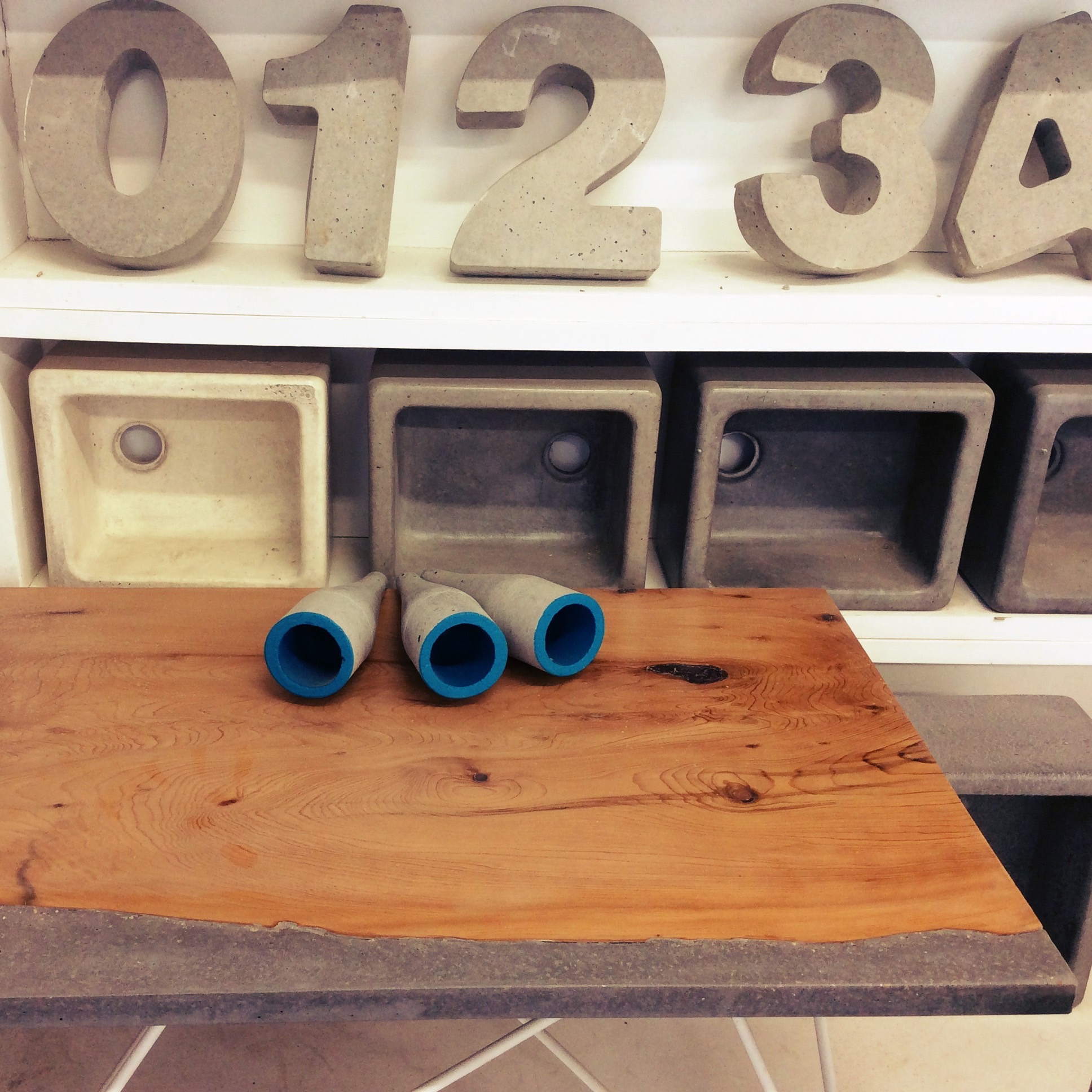
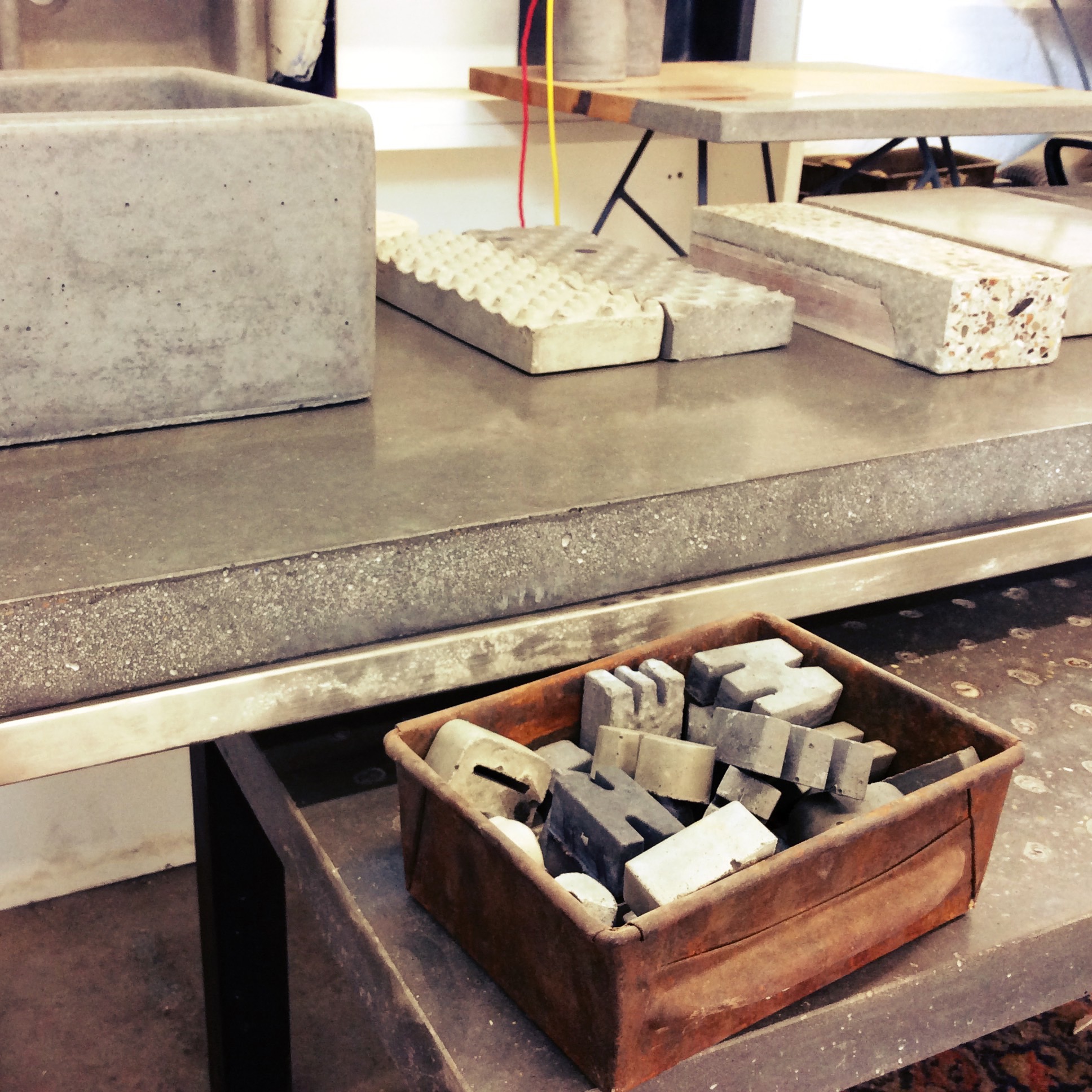
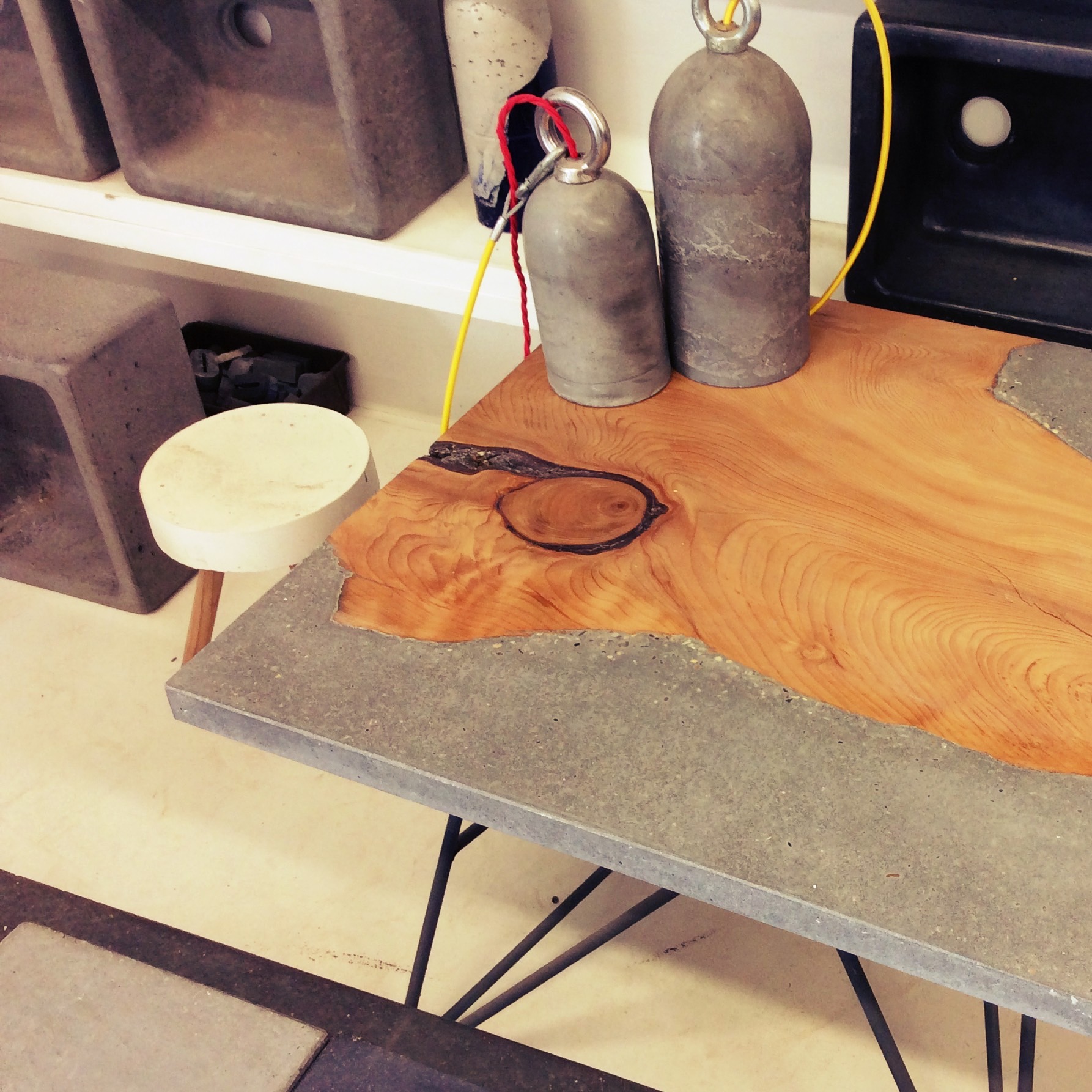
Looking at potential suppliers of concrete worktops for a fit out project recently, I contacted Warrington & Rose. Locally based and with some really interesting pieces on their website, including an intriguing experimental piece with cinnamon sticks cast in to a concrete table top. 

I had a good chat with Michael Thorpe, who turned out to be an ex-student of mine from Nottingham Trent University who set the company up after graduating and a few years working in the industry.

Great to see a former student creating some quality products, taking experimental risks and branching out as an entrepreneur!