Self-build timber structure

Thibaut Devulder

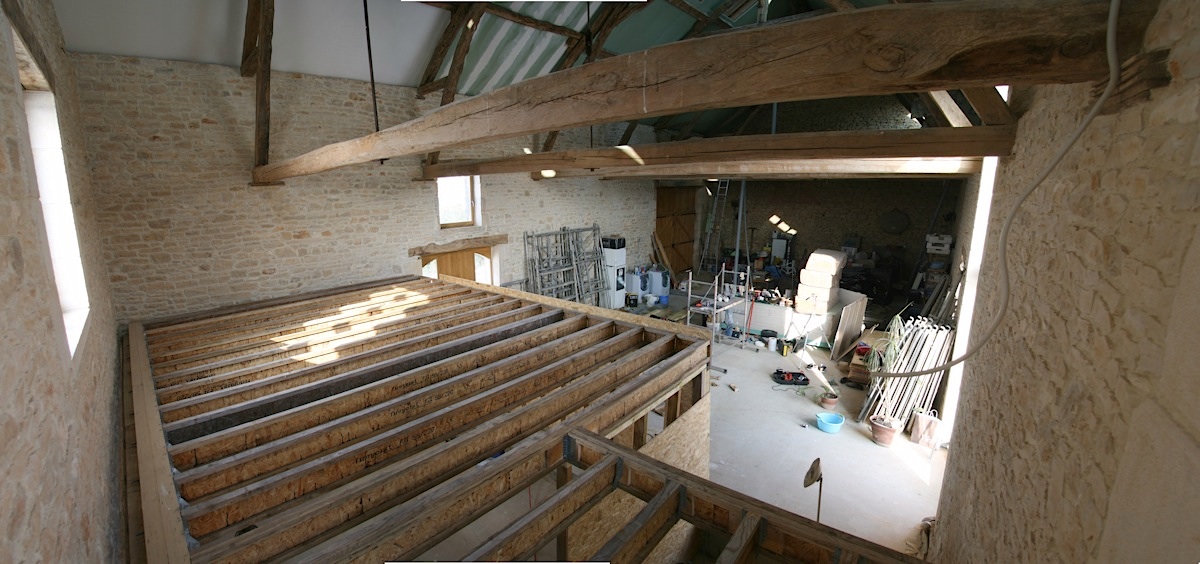
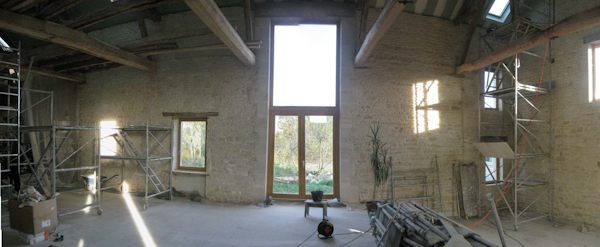
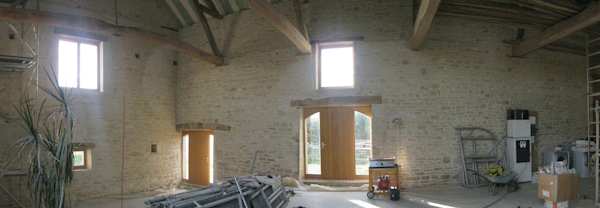
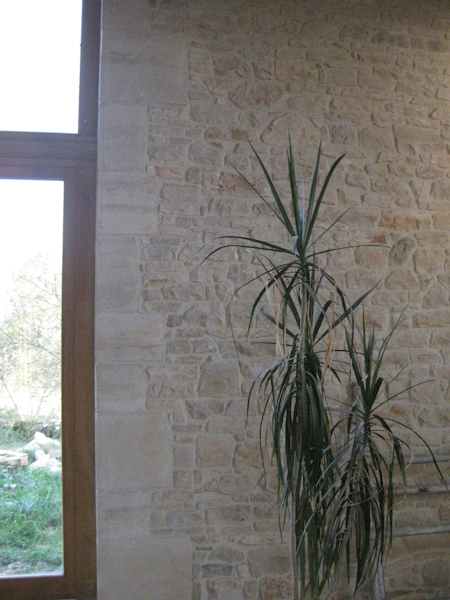
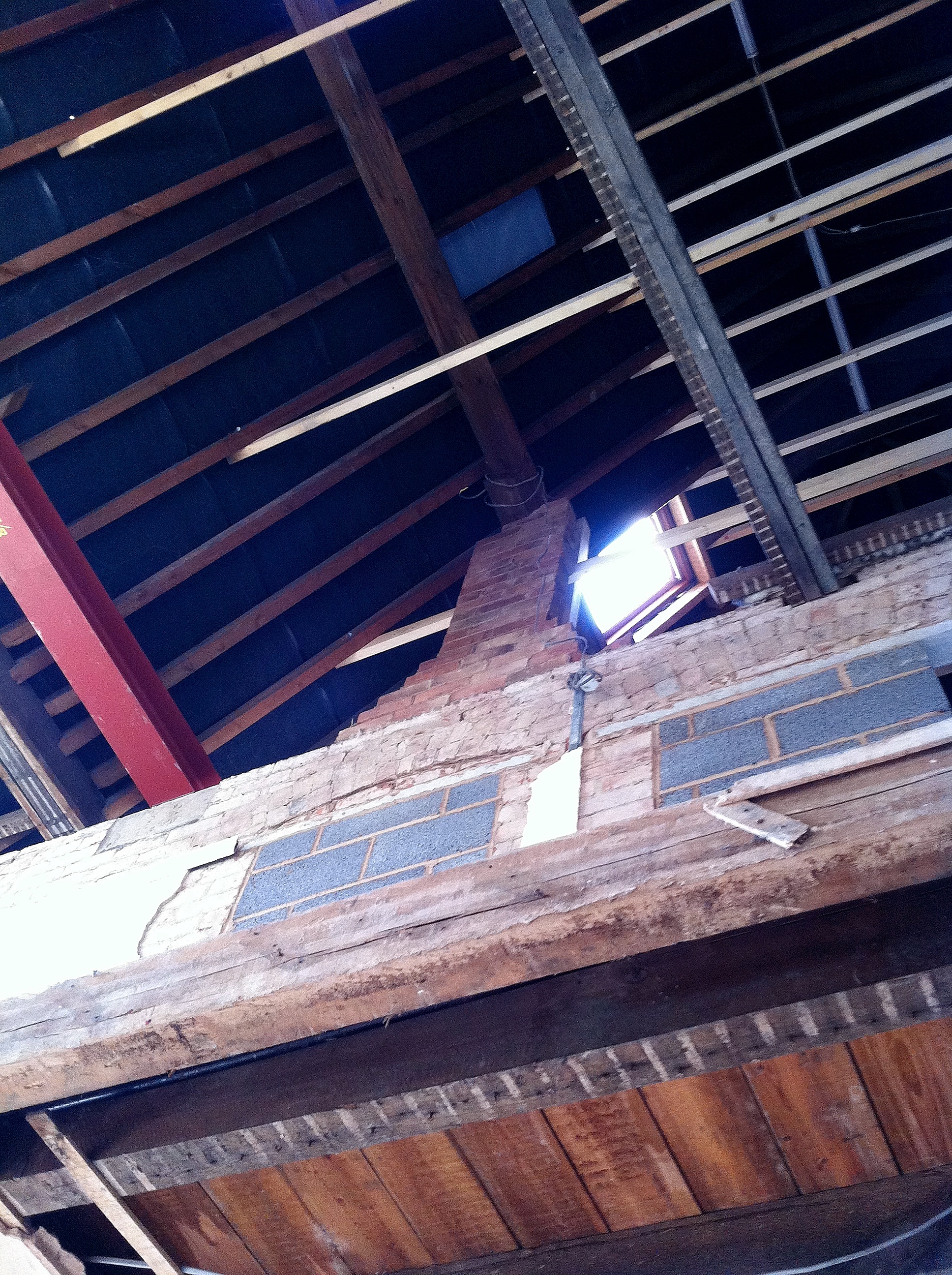
The interior restoration of our two-century-old barn in southern France is almost completed, with all its stone walls repointed and the ceiling of the new insulated roof painted. Credits to our self-builder clients for their amazing work!
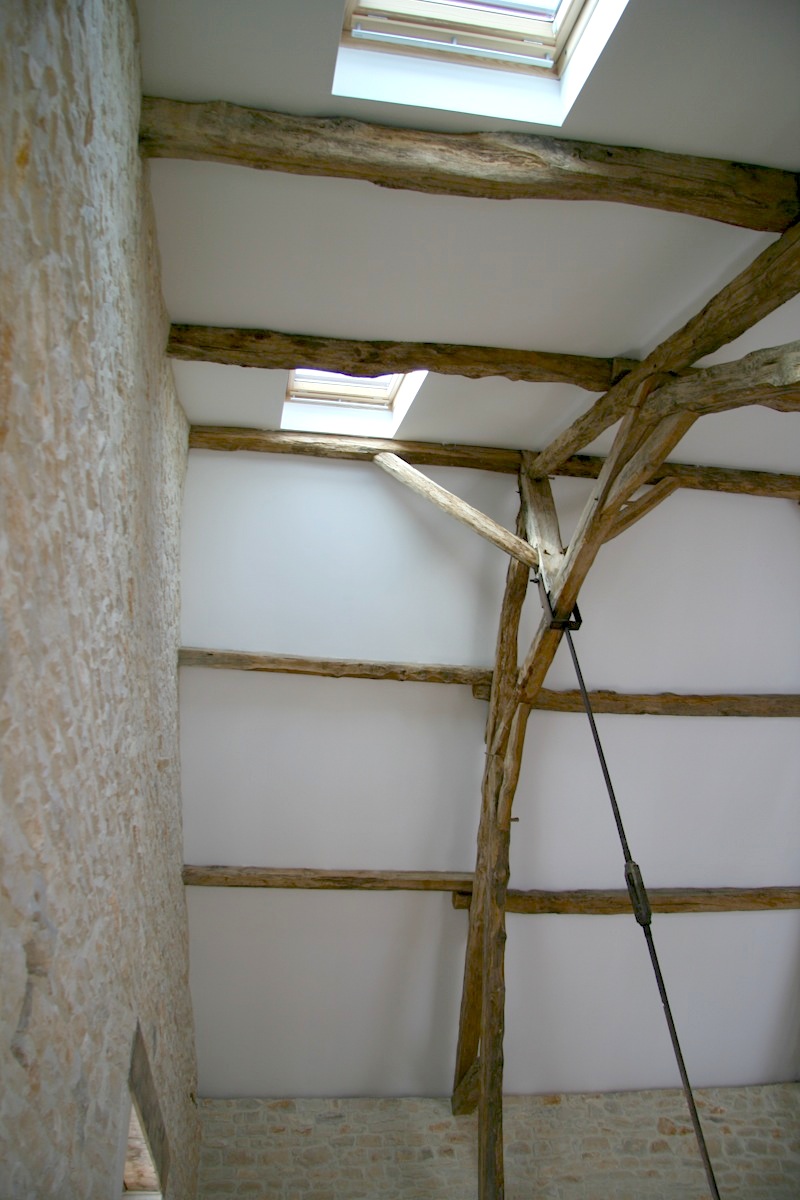
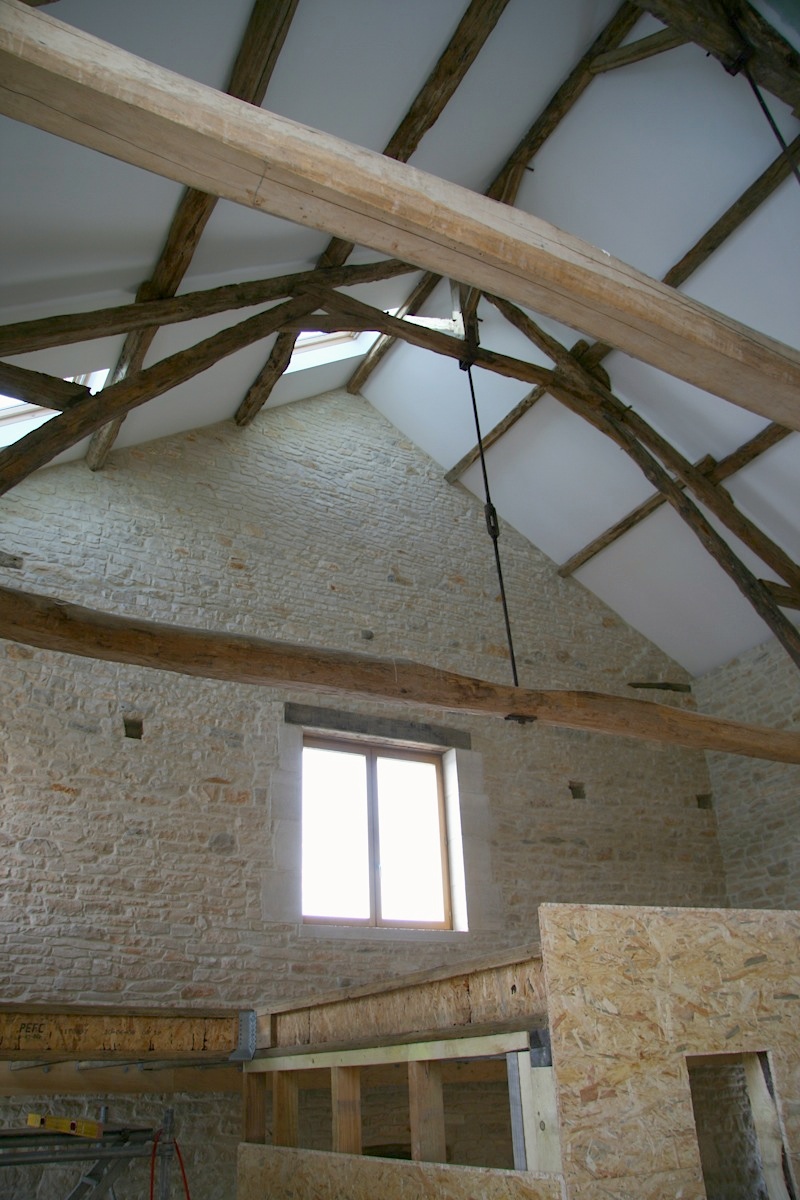
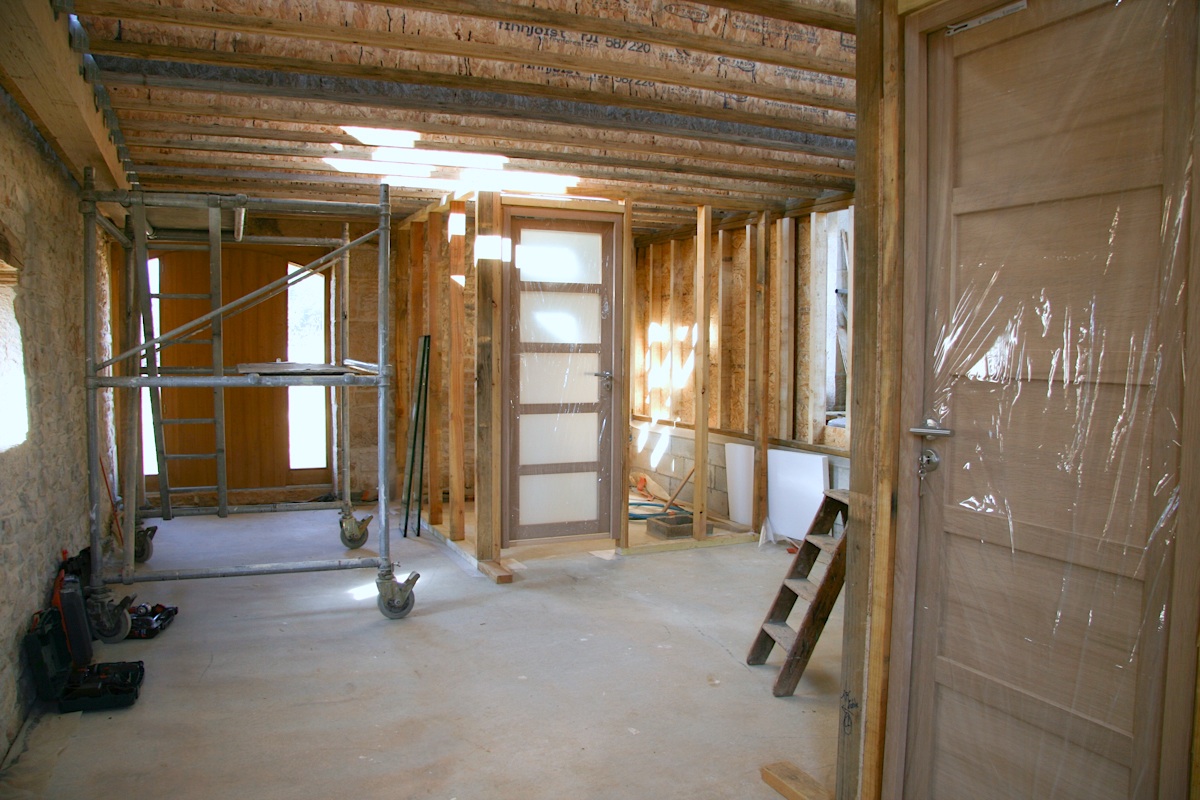
The erection of the internal timber structure has also started. We planned the layout of the converted barn so that interior work could be organised in three independent phases: after this initial phase, our clients will be able to start inhabiting the barn, while continuing to work on the rest of the internal structure. Eventually, this first part of the structure will serve as a bedroom for their future guesthouse.
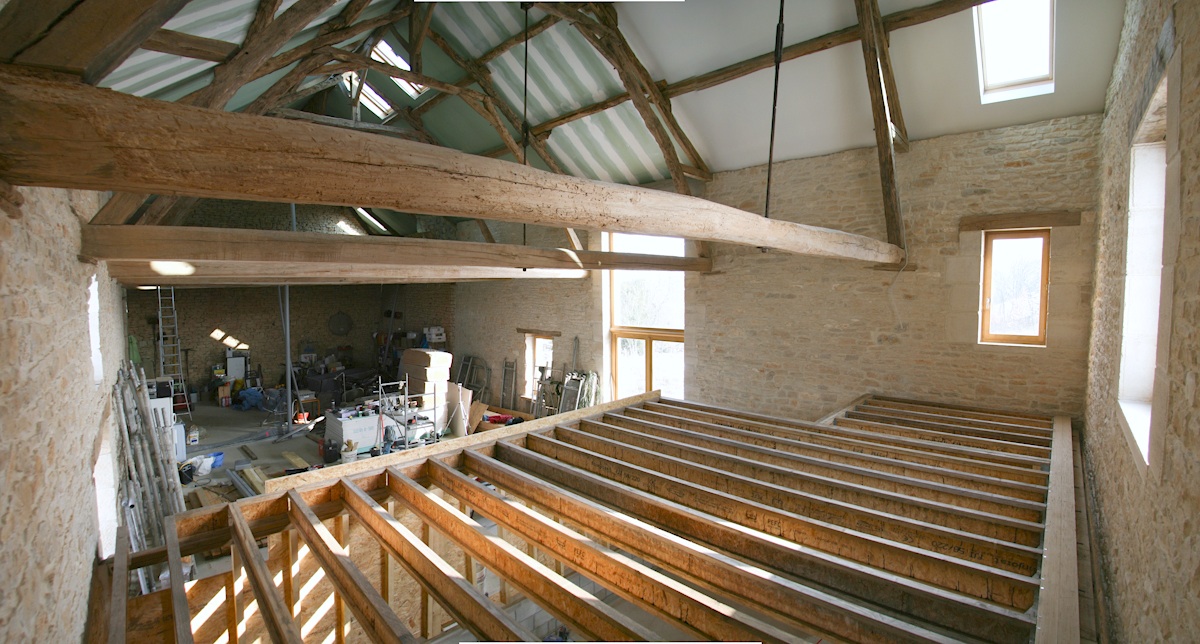
We designed this self-supported structure to be easy to construct by the self-builder couple, without requiring any special equipment or tools. As our clients had no previous experience in carpentry, we produced a package of user-friendly construction drawings that clearly explained how things fitted together. 

More photos of the project on our clients' blog...
VM Spark Utfor 2012

Thibaut Devulder

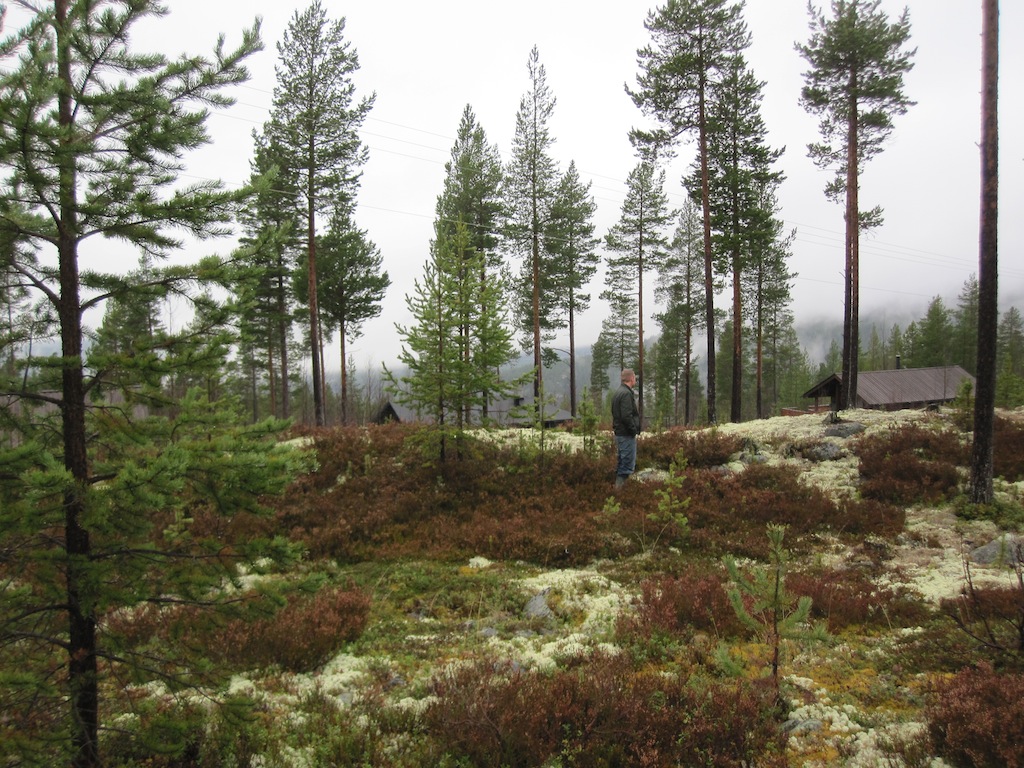
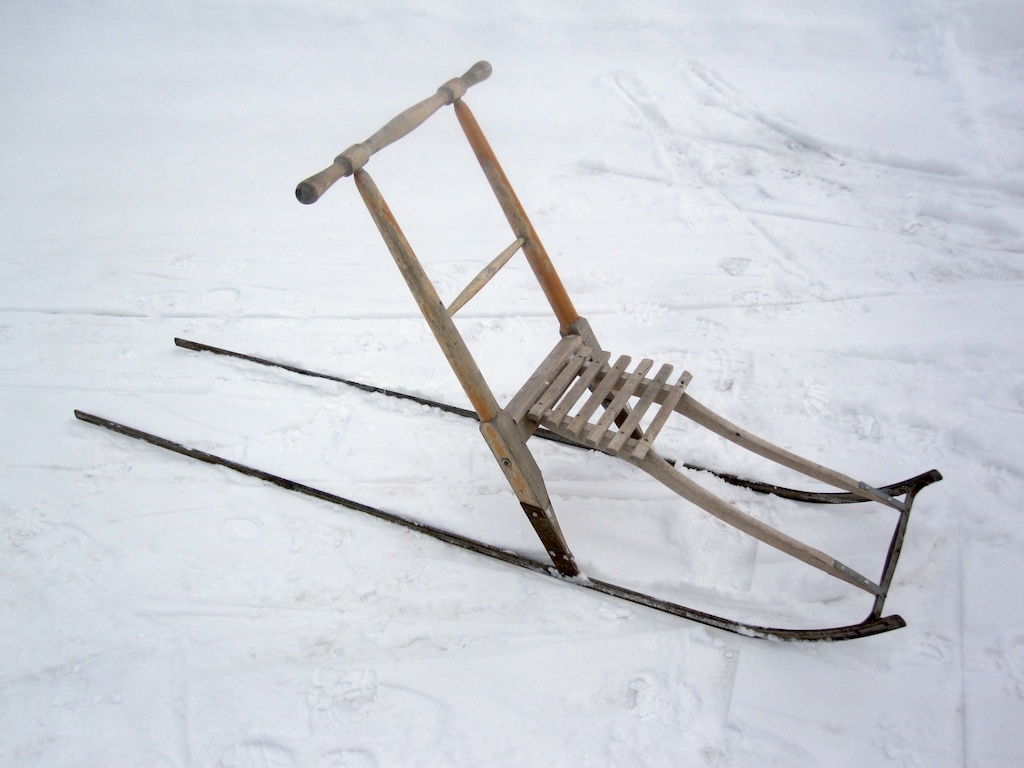
Now a proud resident of the Kingdom of Norway, I see it as my duty to take part in all the crazy outdoor activities that the locals so enthusiastically tell me about. So, after just five months on Norwegian soil, I took part with my father in this year's Downhill Kick Sled World championship, as the only French representatives of the competition...
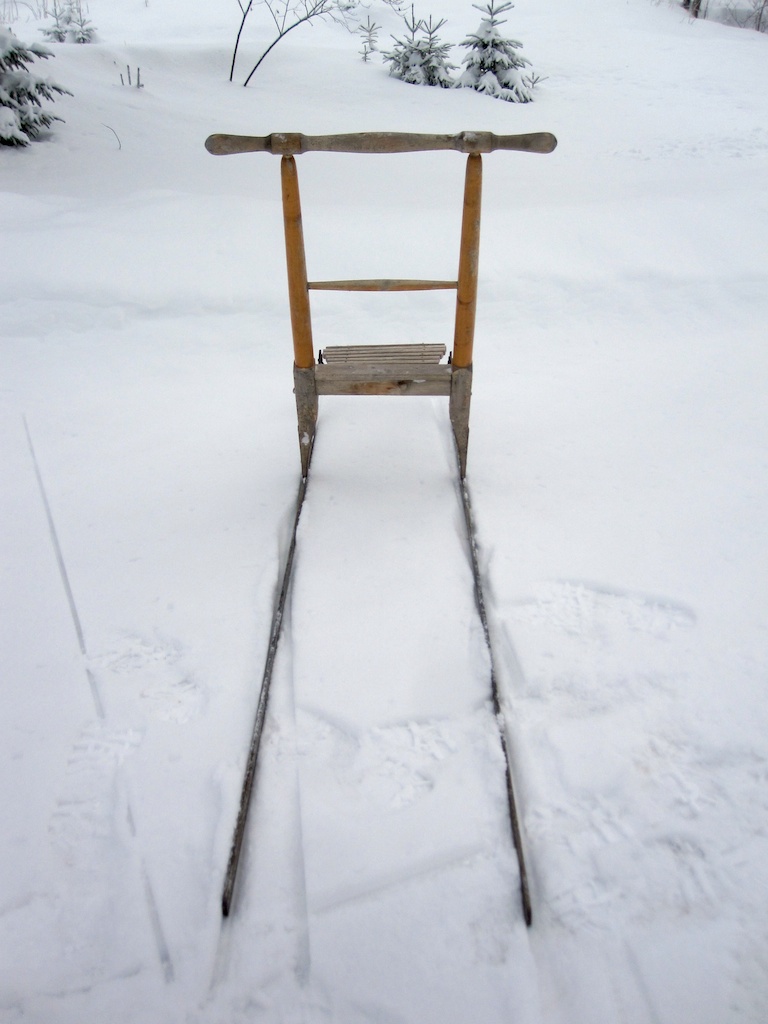
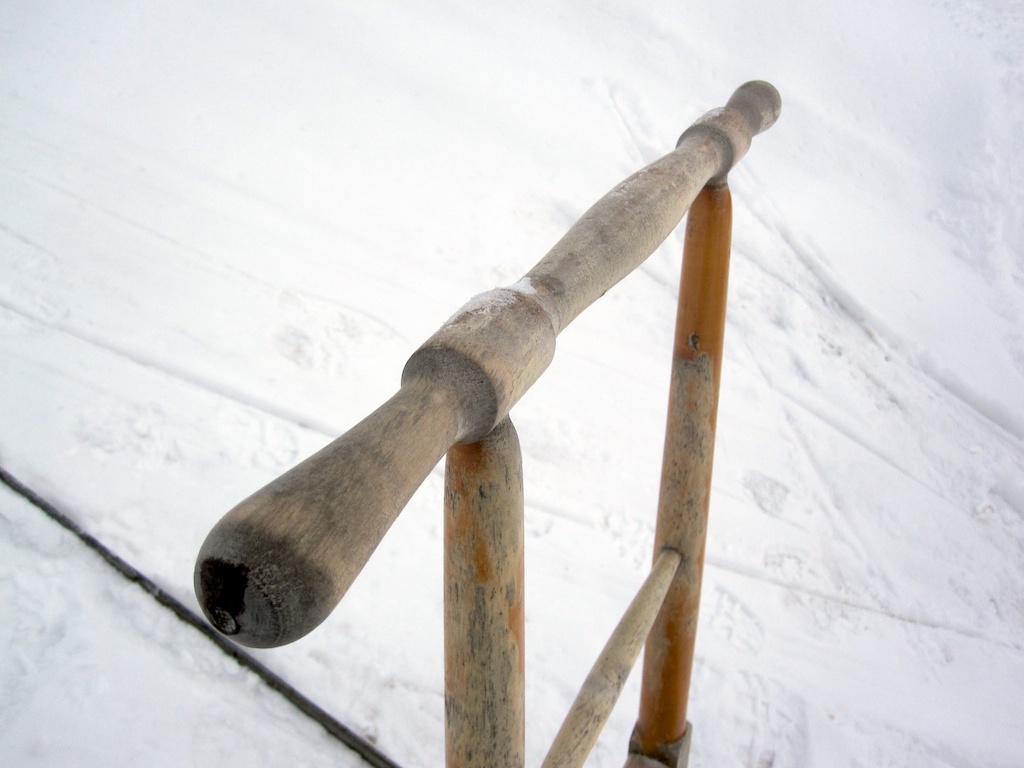
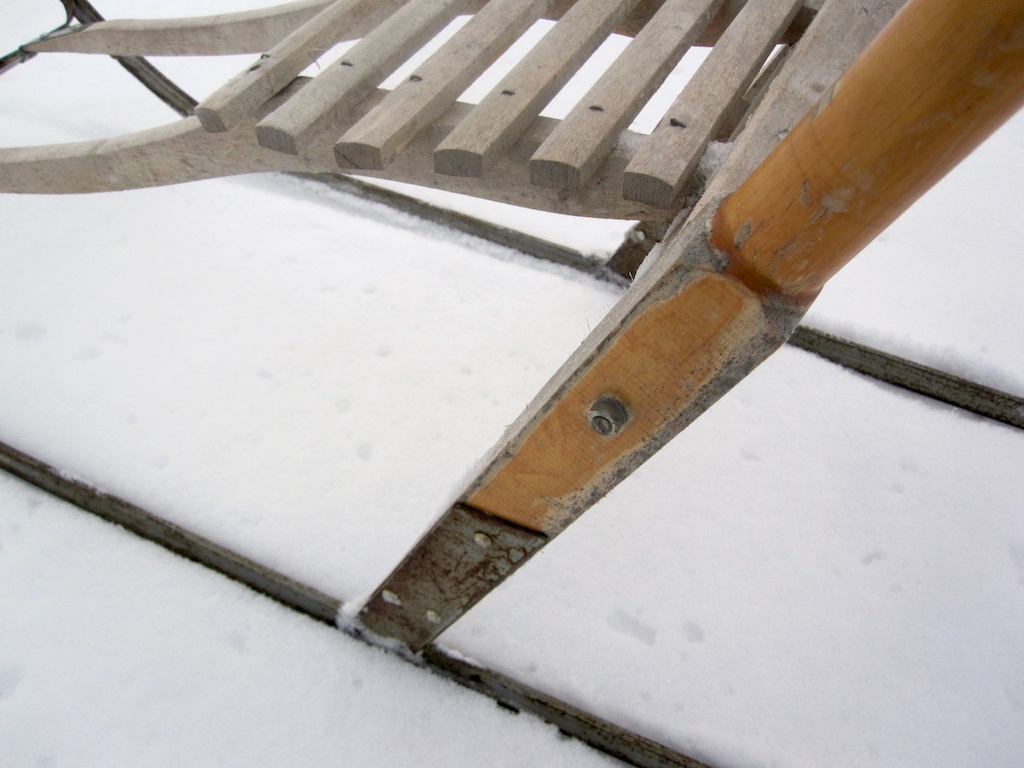
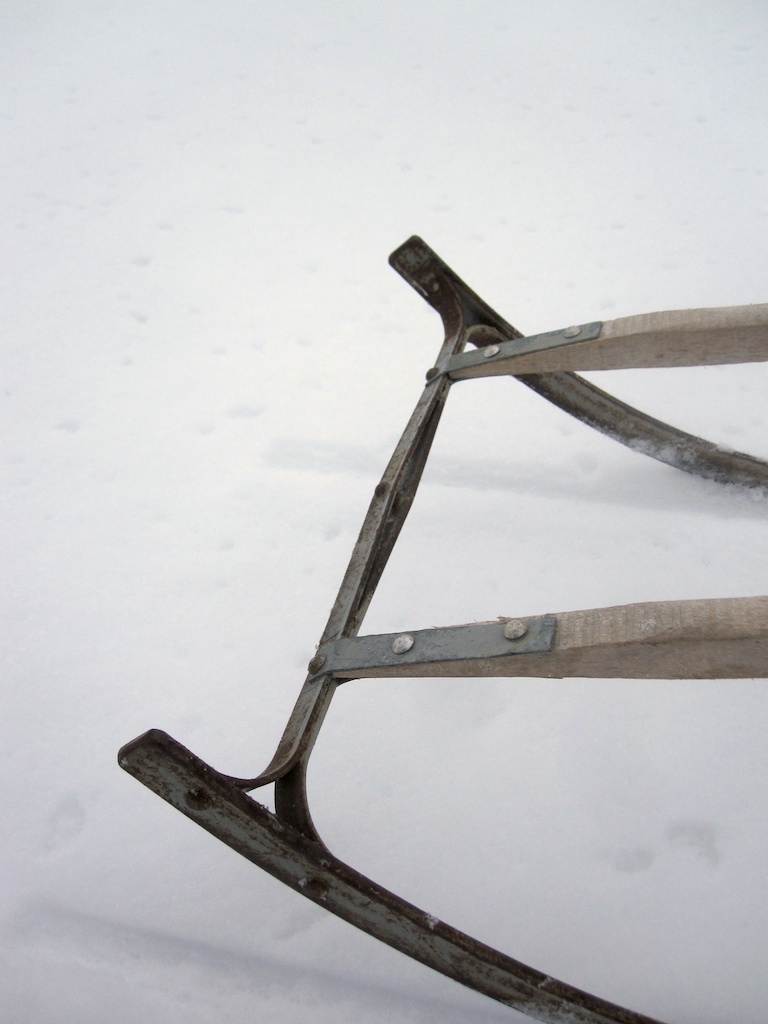
Called Spark in Norwegian, the Norwegian kick sled is a beautiful balance between utter flimsiness and aggressive ice carving, between old style traditional craftsmanship and modern minimalism.

So, with basically no training, we flung ourselves on a spark down 4.5km of icy winding roads on the hills of Hurdal at up to 40km/h, an honourable speed considering how little control we could exert on our trajectory. Here's an overview of our performance in all its helmet-cam glory:

Glad to have survived this trial, we will be starting the training for next year's championship as soon as the first snow hits the Norwegian hills.

Portfolio project
The Lost Cuckoo

Thibaut Devulder

We have put together this short video about our Lost Cuckoo project with artist Marcus Rowlands from the DVD produced by the Lakeside Art Centre, who hosted the event last year.  The project was great fun and we are looking forward to developing this concept in other art festivals this year!

A public art and participation project by Marcus Rowlands artist and 2hD architects, involving pupils, parents and staff from Brocklewood, Melbury and Portland schools in Nottingham. Funded by The Arts Council, Lakeside Arts Centre and Nottingham Education Improvement Partnership, with support from Faspak and Staples. Original footage and sound by Vent Media. 2011.

The Lost Cuckoo project was commissioned and supported by the Arts Council England and Nottingham Lakeside Arts.

Portfolio project
A stone memorial for a Jewish congregation

Tom Hughes

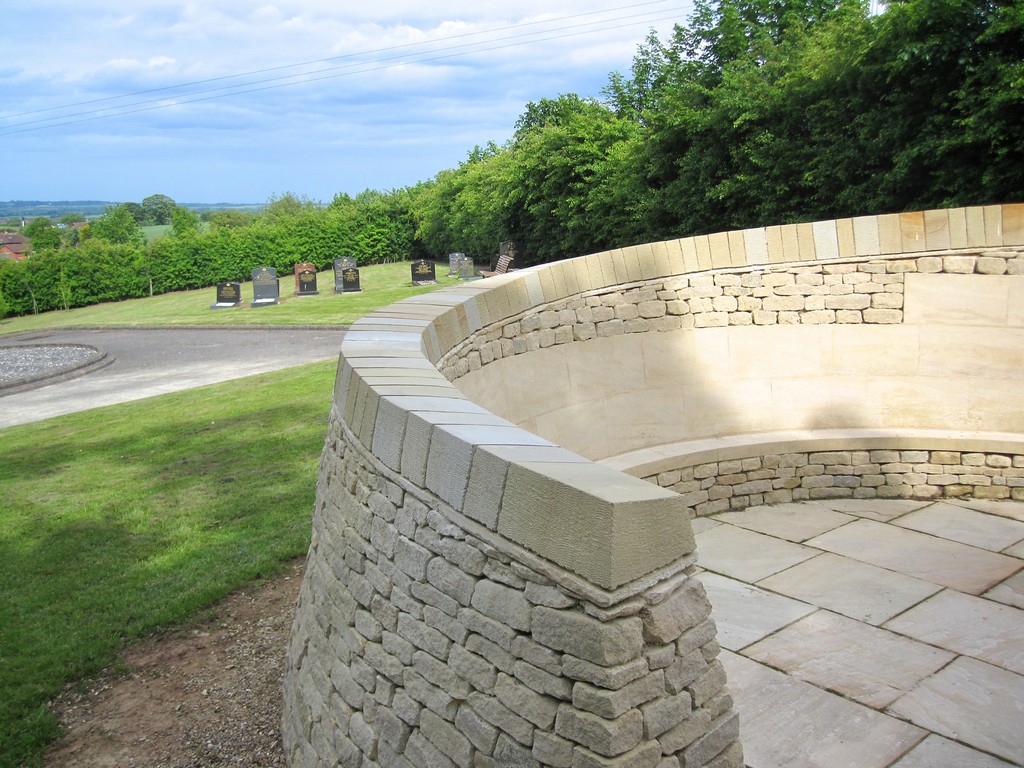
This project is the result of our combined interests in public art, craftsmanship and education. Starting as a student design competition that we organised at Nottingham Trent University for the Nottingham Progressive Jewish Congregation, our design process became an involved exploration of traditional stone walling techniques and complex numerical modelling to create a solemn yet welcoming landscaped space.

This project was shortlisted for the RIBA East Midlands Award for Architecture 2011.

The completed stome memorial, with collaborating artist Igor Barteczko

We were approached by the client to create a memorial structure for their congregation’s cemetery on an exposed hillside with excellent views over the Trent valley. We proposed, set up and ran a design competition for students, then collaborated with the winner to bring the project to completion. We redesigned the competition winning entry, working with the student in the role of project artist, to ensure buildability and adherence to a very restricted budget.

Our innovations on this project include a rejuvenation of traditional craft building techniques and the use of three dimensional computer modelling to achieve the twisting shape using stonework. We developed a custom plugin for our 3D modelling software to help us explore alternative geometries with the stone masons and produce the required three-dimensional templates for the preparation of the curved ashlar stonework.

The first commemorative plaques, on the curved ashlar.

The resulting structure creates a strong sense of place with an intense focus for ceremonial purposes, whilst also framing views out and welcoming visitors in.

The Memorial viewed from the cemetery entrance.


New build house using the PassivHaus Planning Package

Tom Hughes

We're designing a new build house for a village in Nottinghamshire, using the PassivHaus Planning Package (PHPP) as a design tool.

The site has an excellent orientation, allowing extensive use of passive and active solar collection to the rear of the property. The north, street-facing facade has been developed to respond sensitively to its Conservation Area setting.

The project is currently going through consultation with the village residents and Local Authority planning department prior to the submission of a planning application.

Tune House on site

Thibaut Devulder

The Tune house is now on site, with the roof going up. The project, located on the bank of the Mjøsa, Norwegian's largest lake, involves the rebuilding of a two-story building into a family house and an attached workshop.

The upgraded roof, under construction.

Sketch view of the new roof and glazed gable

We are reusing part of the existing concrete structure — an unusal object in the Norwegian housing world! — and fully glazing the south facing gable wall to frame stunning views to the surrounding hills and neighbouring lake.

Our landscaping proposal

Portfolio project
Upgrading a 1920s house

Tom Hughes

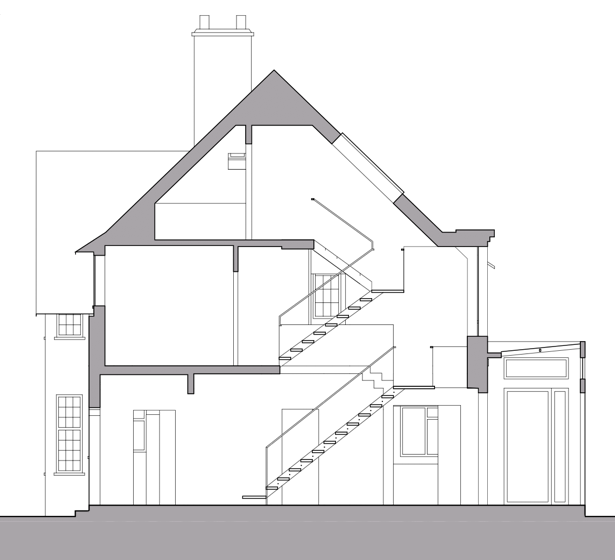
This project is currently on the drawing board in the practice, and we thought it worth sharing some interesting aspects of the process so far.

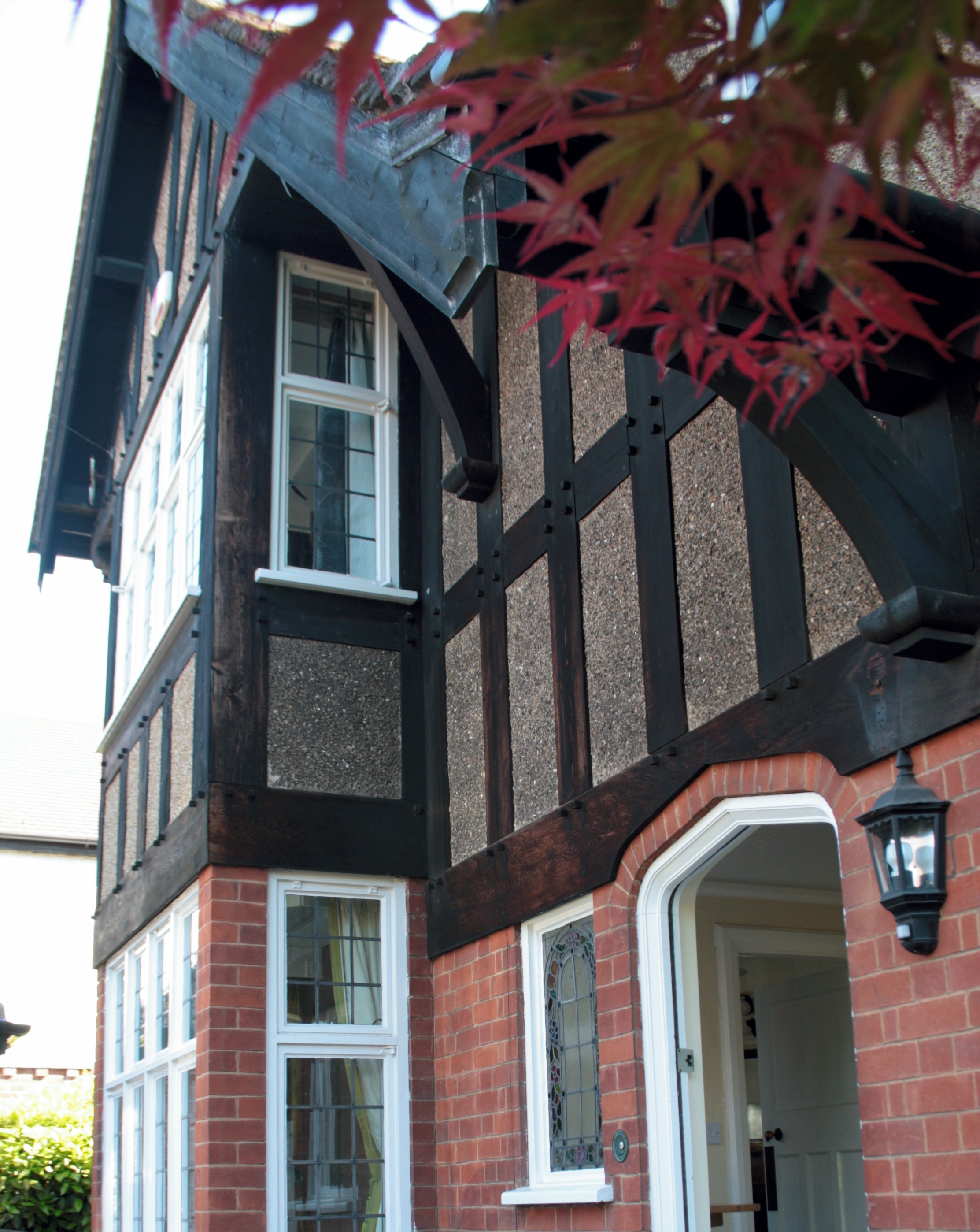
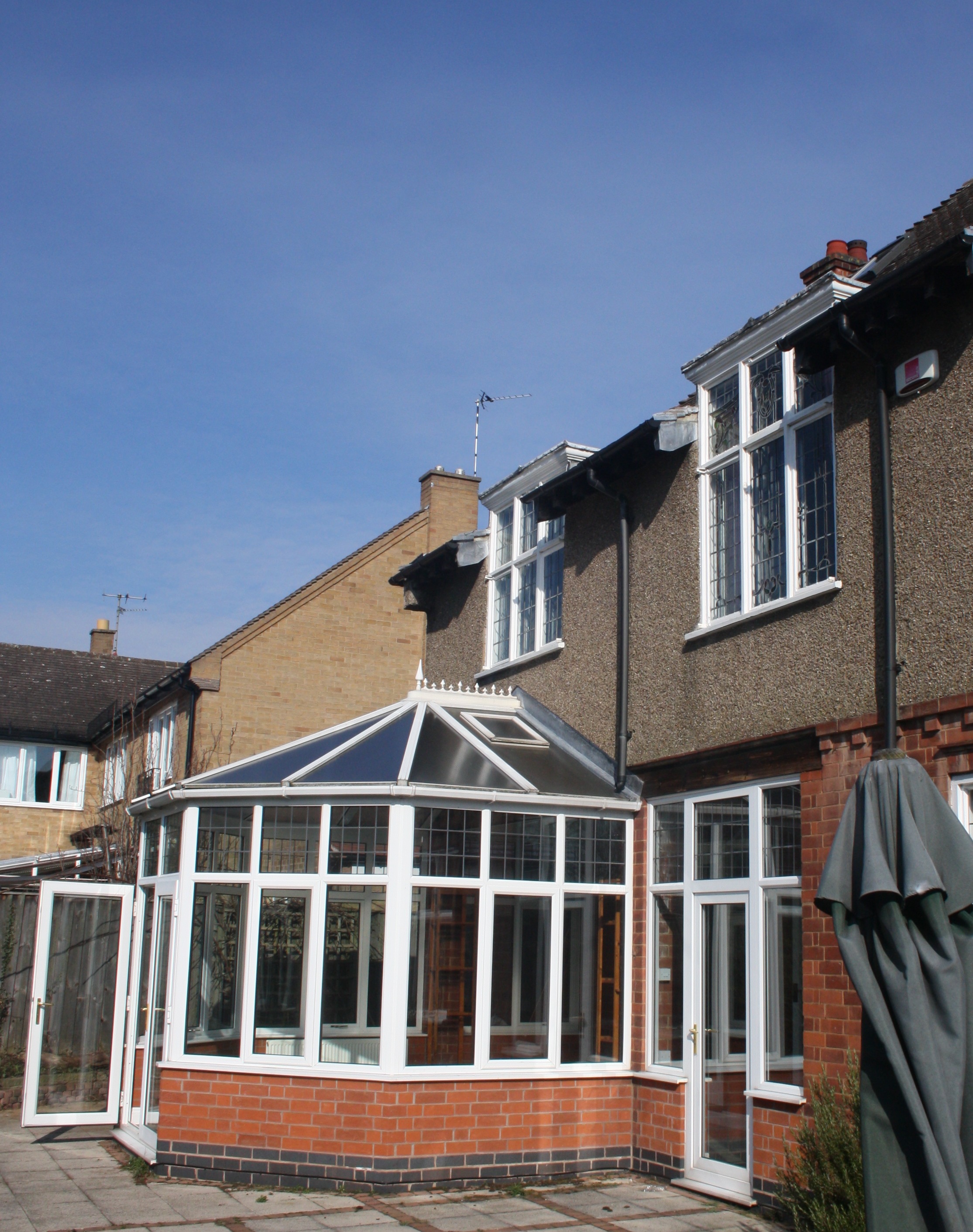
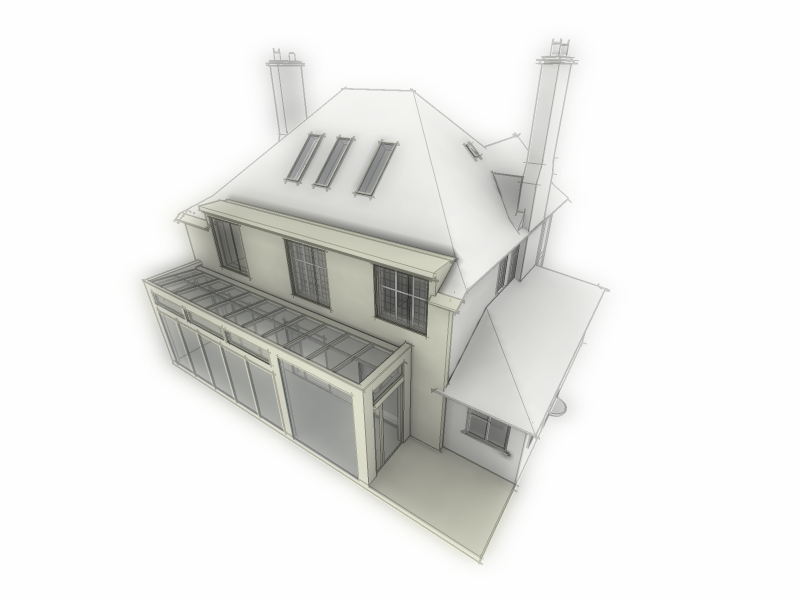
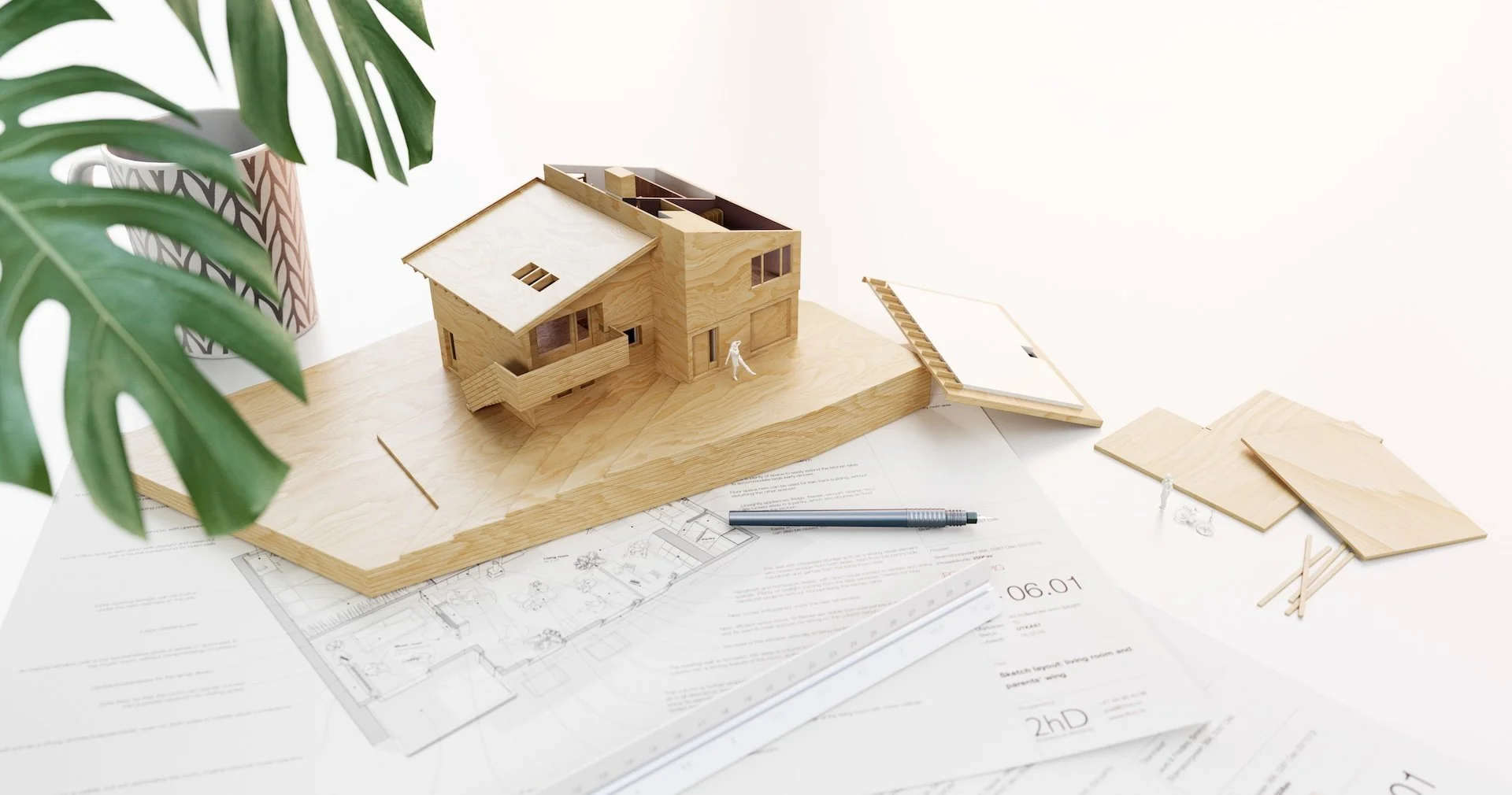
We started out with a client with a beautiful property... that is unfortunately an energy guzzler and has a layout that just doesn't work for the family's lifestyle. The house features a half-timbered front and an interior with many Art Deco, Art Nouveau and Arts and Crafts features. The rear elevation however has many problems with the detailing and a too-hot/too-cold (and out of keeping) conservatory.
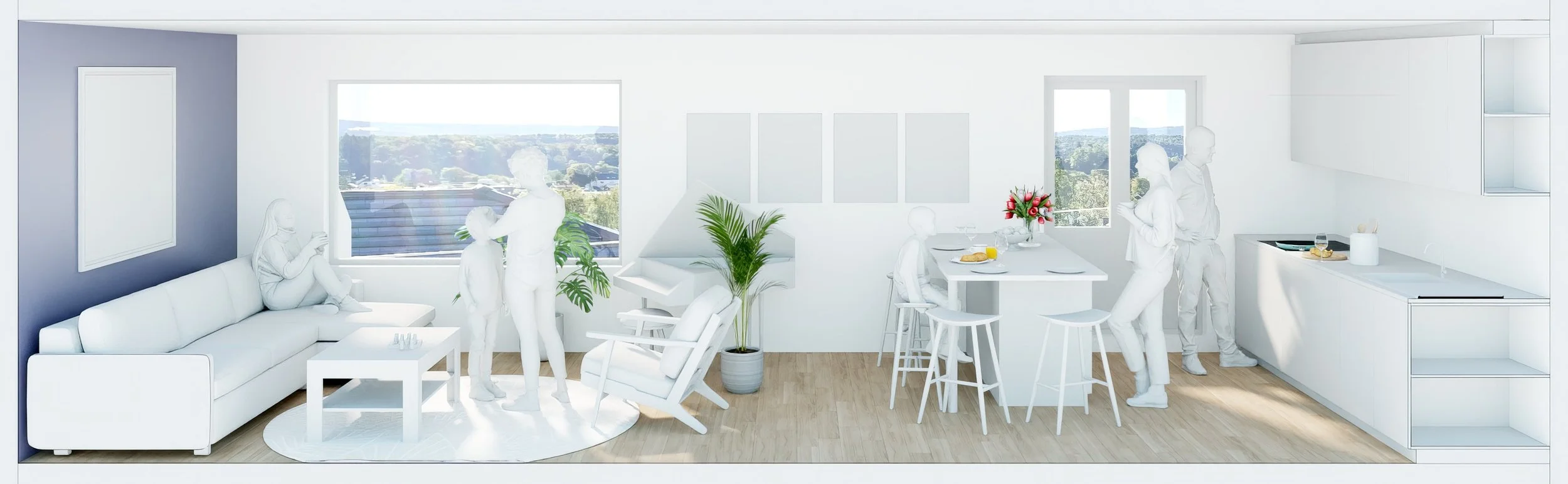
With ambitious ideas for remodeling and extending, and a great set of intentions to create a sustainable and energy efficient building we straight away knew that this was a client with whom we could do something special. We also know that these kinds of great ideas can sometimes clash with the realities of programme and budget, so we agreed with our clients that the first step would be holistic: to develop an architectural strategy hand-in-hand with budget costings and a sustainability assessment.

We brought Hockerton Housing Project in to create a 'Home Energy Masterplan' for the property. They thoroughly surveyed the existing fabric and identified cost-effective and practical methods to improve the energy performance of the building. Their report identified measures and payback times for a range of approaches, from the 'no brainer' moves that would pay off straight away to the 'green halo' measures that improve sustainability but might not pay off for years or even decades to come. 

We took that information and worked with Branch Construction, an environmentally aware building company, to develop budget costing and buildability strategies on a number of different design options. Having worked out what the current problems were with the house, we developed some ideas for solving them and creating an amazing new home for our client. This centres around a completely remodeled core to the house, linking front to back and interior to garden.


Finally, we rated the options for cost/buildability, sustainability and design – presenting the conclusions as an architectural strategy report. You candownload a public version of this report.

This thorough-going approach has helped our client through some tough decisions on the project scope, and the trade-offs between cost, sustainability and payback time. Having established a scheme that can be completed as a Permitted Development (not requiring planning permission) we are now developing the project into the detailed design stage.


2hD's inflatable pavilion wins RIBA East Midlands Award

Tom Hughes

We're proud to announce that our inflatable pavilion for Lille Museum of Modern Art has been awarded an RIBA East Midlands 2011 award.

The annual Awards celebrate 'excellence in architecture and encouraging sustainable design' and were held at the Athena in Leicester on 22nd September.

Tom and Alina accepted the award from Ruth Reid, ex-president of the RIBA and were joined at the ceremony by Nick Crosbie of Inflate, who did the specialist design, fabrication and erection of the pavilion.

2hD shortlisted for the World Architecture Festival Awards!

Thibaut Devulder

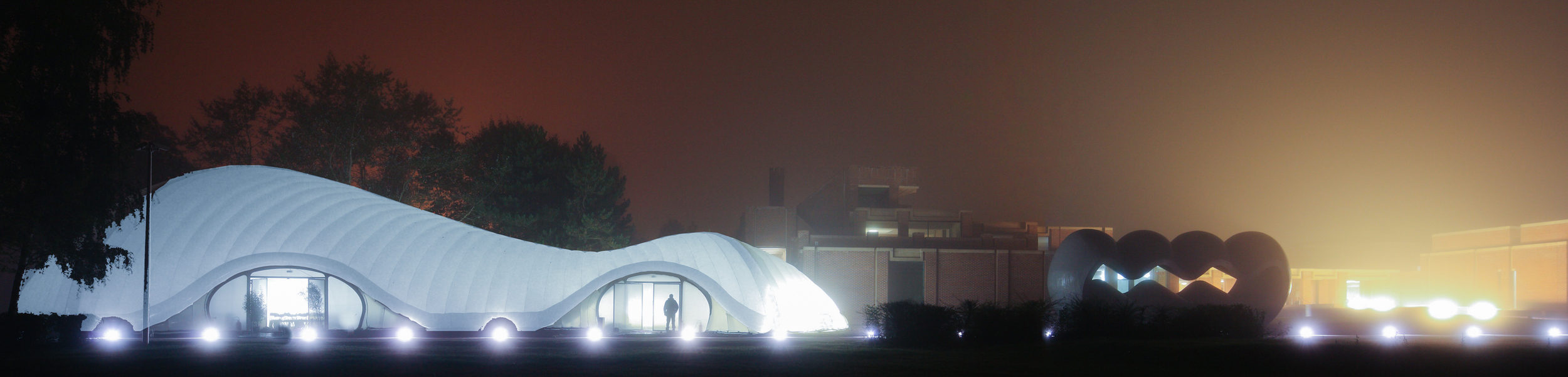
Our inflatable pavilion for the Lille Museum of Modern Art, in France, has just been shortlisted for World Architecture Festival Awards 2011. No need to say we are chuffed! We'll be presenting the project to the jury in Barcelona on 3rd November. We are shortlisted in the Display category, along with seven other projects from all around the world.

Our shortlisted pavilion at night, next to the Lille Museum of Modern Art and its sculpture park

Our shortlisted pavilion at night, next to the Lille Museum of Modern Art and its sculpture park